Spanish court drops complaint against Julio Iglesias
Spanish courts dismissed on Friday a complaint alleging sexual offenses against singer Julio Iglesias, with prosecutors ruling that the case does not fall under Spanish jurisdiction because the alleged acts were not committed in Spain but in the Bahamas and the Dominican Republic, and because the complainants do not reside in the country, Reuters and AFP reported.
Women’s rights organization Women’s Link Worldwide filed the complaint on January 5 on behalf of two women who allegedly worked at Iglesias’ Caribbean residences for 10 months in 2021. The complaint was based on an investigation conducted by U.S. television network Univision and Spanish outlet elDiario.es.
The accusations include "human trafficking for the purpose of forced labor and servitude," sexual assault, and violations of workers’ rights. Iglesias has described the allegations as "completely false" in several posts on social media, CE Report quotes AGERPRES.
Attempts by Reuters to contact representatives of the 82-year-old singer went unanswered, while record label Sony declined to comment on the case.
In a document reviewed by Reuters and AFP, prosecutors stated that Spanish courts are not in a position to try Iglesias because the alleged crimes were committed in the Dominican Republic and the Bahamas, adding that criminal proceedings could instead be pursued in those two countries.
Additionally, prosecutors noted that the alleged victims were neither Spanish nationals nor residents of Spain, citing Supreme Court case law that limits the legal principle of universal jurisdiction.
The singer’s lawyer, José Antonio Choclán, explained this week that the "reported events would have occurred between January and October 2021 at Iglesias’ residences in the Dominican Republic and the Bahamas, not in Spain," and that the complainants are neither Spanish nor residents of Spain. He added that, in his view, offenses should be "judged in the place where they were committed," and only if that were not possible could they "eventually be tried in Spain."
NGOs Amnesty International and Women’s Link Worldwide, which support the two complainants, said the complaint was filed in Spain because its legislation is more favorable in such cases.
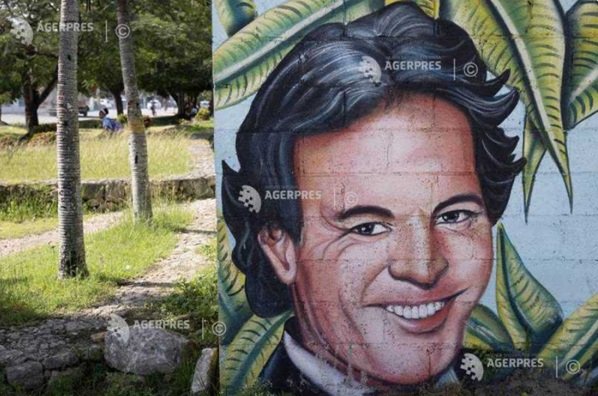
Born in 1943, Julio Iglesias — known for hits such as "Je n’ai pas changé (No Vengo Ni Voy)" and "Pauvres diables (Vous les femmes)" — launched his career in the 1970s and became the best-selling Latin artist worldwide.