Key takeaways from Davos 2026 - OPINION
By Aytan Aliyeva
World Economic Forum ideological backgorund
The World Economic Forum (WEF) is an international non-profit organization founded in 1971 by German economist Klaus Schwab. Its mission is to improve the state of the world by fostering cooperation between the public and private sectors. The WEF is best known for its Annual Meeting, which brings together global leaders from politics, business, academia and civil society to discuss major economic, political and social challenges.
Davos was chosen as the meeting place because it offers a neutral, politically stable and secure environment in Switzerland, and its compact size encourages informal and direct dialogue among participants. Over the years, Davos has become a symbolic meeting place for global dialogue and international cooperation.
Forums such as the World Economic Forum, the Conference for Security and Cooperation in Europe (CSCE) and the Munich Security Conference are based on the ideology of liberal internationalism. This ideology assumes that international stability and prosperity are best achieved through cooperation, dialogue and rule-based governance. These platforms emerged during the Cold War and the accelerating globalization of the time, when ideological confrontation, nuclear deterrence and growing economic interdependence made continuous communication between political, economic and security elites indispensable. Their core function has been to reduce conflict through confidence-building, align strategic perspectives among allies, and create informal spaces where sensitive issues can be discussed outside rigid diplomatic frameworks.
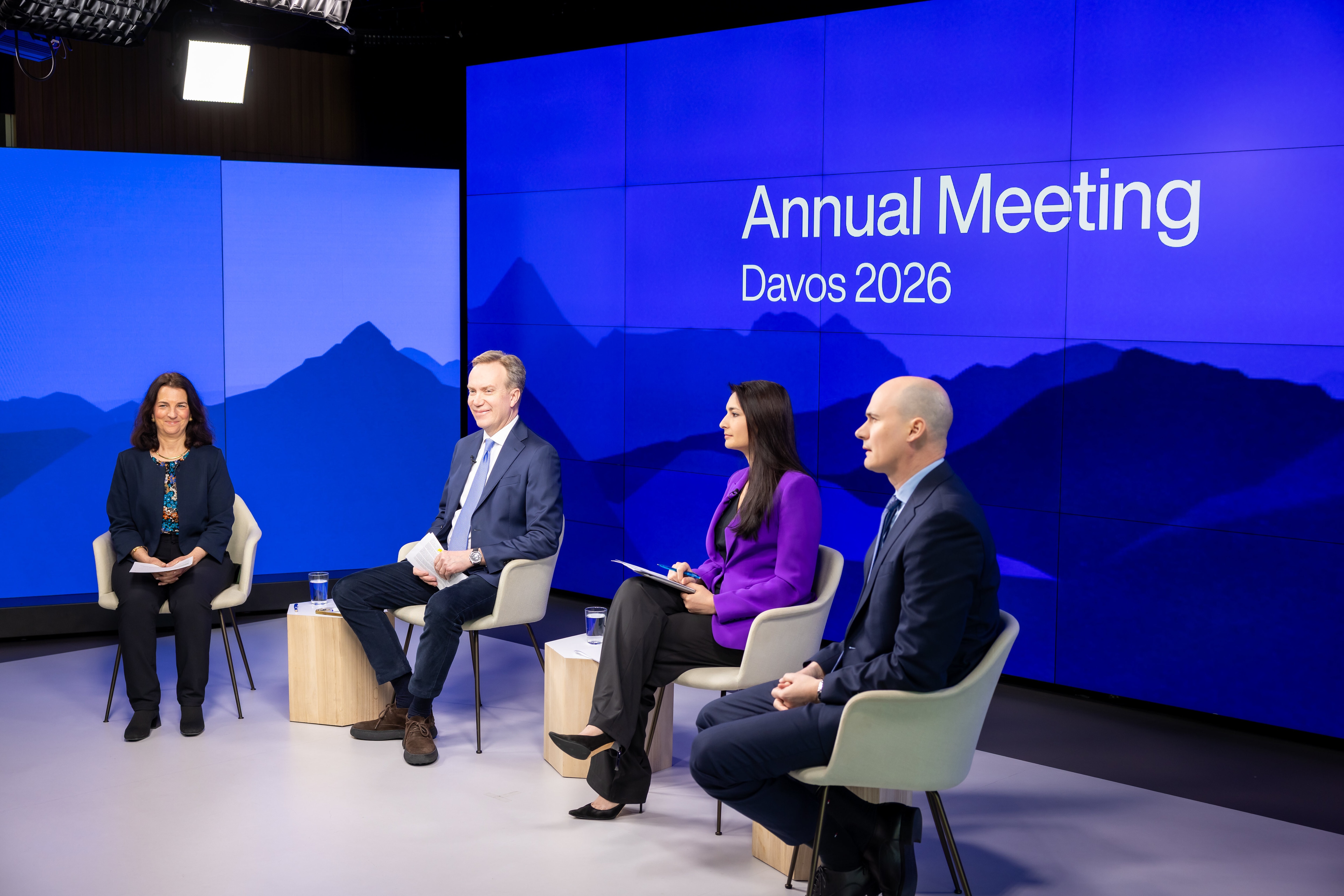
In the post-Cold War era, their importance has grown rather than diminished. As global challenges such as climate change, financial crises, technological transformation, energy security and armed conflicts increasingly impact multiple countries, these forums serve as coordination mechanisms, linking states, international organisations and private actors.Critics, however, argue that these forums suffer from a democratic deficit, as decision-making is informal, opaque, and dominated by political and economic elites with limited public accountability. They are also criticized for reinforcing existing power hierarchies and liberal norms while marginalizing alternative perspectives, particularly from the Global South or non-liberal political systems.
Highlights from the 2026 Davos
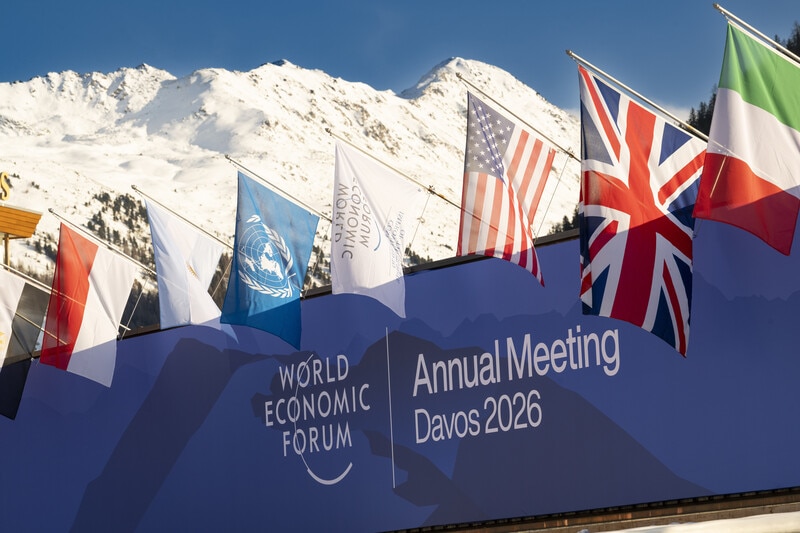
The 56th World Economic Forum (WEF) Annual Meeting brought together almost 3,000 leaders from over 130 countries, including around 65 heads of state and government, nearly 830 CEOs, numerous ministers and central bank governors, as well as a variety of civil society and think tank representatives. The theme was 'A Spirit of Dialogue' - a framing designed to foreground compromise and cooperation during a period of geopolitical tension.
At the 2026 Annual Meeting, geopolitical tension and a fractured global order were highlighted through contrasting speeches by heads of state and senior policymakers. These speeches revealed not only policy differences, but also competing worldviews. These interventions illustrated the erosion of the shared strategic language that had previously formed the basis of liberal multilateralism.
From a European perspective, Ursula von der Leyen and Emmanuel Macron defended a rules-based international order, but with a notable shift in tone. Von der Leyen emphasised legal sovereignty, alliance credibility, and resistance to coercive economic measures, implicitly responding to US tariff threats and transactional diplomacy. By contrast, Macron framed the same concerns through the lens of European strategic autonomy, arguing that dependence, whether in terms of security, energy or technology, has become a structural vulnerability. Although their positions were aligned, their speeches differed in emphasis: Von der Leyen focused on institutional continuity, whereas Macron stressed the need for political agency and power rebalancing within the West.
Mark Carney offered a different perspective, presenting a middle-power diagnosis. His speech stood out for its analytical coherence, describing the current moment as a systemic rupture rather than a cyclical crisis. Unlike the European leaders, Carney did not primarily anchor his argument in transatlantic relations, but instead called for coalitions of middle powers to uphold norms relating to trade, human rights and financial stability.His intervention acknowledged the declining capacity of any single hegemon to enforce order, positioning governance as a shared responsibility among capable states.
By contrast, Donald J. Trump put forward a fundamentally different argument. In his speech, he rejected the idea that global stability depends on multilateral restraint. Instead, he presented national economic strength, tariffs and bilateral leverage as legitimate instruments for establishing order. Trump’s rhetoric presented cooperation as conditional and transactional, diverging sharply from the institutional language of European and Canadian leaders. This ideological gap was one of the clearest signs at Davos that the Western bloc no longer speaks with a unified voice.

He Lifeng, from outside the traditional liberal core, projected a message of stability and continuity, emphasizing development, state coordination, and multipolar balance. Although his tone was less confrontational, his contribution challenged liberal assumptions by promoting a governance model centred on state capacity rather than open markets or political conditionality. Abdel Fattah El-Sisi reinforced this Global South perspective by focusing on security, infrastructure, and development finance, while also highlighting frustration with global systems that are perceived as being either unequal or unable to respond to regional priorities.
Javier Milei introduced an ideologically disrupting element. His speech combined radical market liberalism with a rejection of regulatory and social welfare frameworks, and he directly criticized what he described as state overreach and elite consensus. Milei challenged both protectionist nationalism and European social-market models, highlighting that fragmentation is both geopolitical and ideological within capitalism itself.
Regarding economic outlook, growth, inequality and energy, the 2026 Davos meeting revealed a broad consensus on uncertainty rather than a unified policy response. Debates centred on decelerating growth, financial volatility, demographic pressures and entrenched energy insecurity, while concurrently recognising that inequality – both within and between nations – has evolved into a macroeconomic hazard rather than a purely social concern. Energy was identified as a structural constraint on growth, with volatile fossil fuel markets, uneven access to energy resources and the high cost of transition being widely seen as drivers of inflation, geopolitical tension and regional inequality. The dominant analytical framework linked geopolitical fragmentation to economic inefficiency, as trade barriers, investment screening, energy disconnection, and competing transition strategies were seen as weakening supply chains and hindering long-term growth. However, agreement largely ended there, with sharp divergence over how to achieve economic resilience: through national energy sovereignty, accelerated green investment, market-led transitions, or deeper institutional coordination at the global level.
The most forward-looking and operational discussions at Davos 2026 emerged in the area of technology, artificial intelligence, and innovation governance, where companies played a central role in shaping both diagnosis and proposed solutions. Major technology firms framed AI not merely as a productivity booster, but as strategic infrastructure comparable to energy systems or national defence. Microsoft stressed the importance of 'responsible scaling', advocating significant investment in data centres, cloud capacity, and AI tooling that aligns with public regulation. This positions Microsoft as a long-term governmental partner rather than a disruptive force. Google focused on AI safety, model evaluation, compatibility, and standards, highlighting that trust, transparency, and cross-border compatibility are prerequisites for success.
In contrast, Elon Musk adopted a more guarded and confrontational stance. In side sessions and media engagements linked to X, he warned that unregulated AI development poses systemic risks to human agency and political stability. He argued for global oversight mechanisms that go beyond voluntary corporate commitments. His position underscored scepticism towards both state and corporate control, reflecting a belief that concentrated AI power — whether governmental or private — could distort democratic processes and information ecosystems.
Meanwhile, Meta proposed an alternative governance model centred on open-source AI. The company's leadership claimed that wider access to models and tools could encourage innovation, reduce reliance on a few dominant providers and prevent the geopolitical concentration of technological power. However, critics at Davos noted that open-source approaches also raise concerns about abuse, security and accountability, particularly in politically fragile environments.
Financial and industrial actors adopted a more pragmatic, system-level stance. Companies such as BlackRock and Siemens presented AI as a means of increasing efficiency, productivity, and resilience in sectors such as energy, manufacturing, and finance. However, they also warned that uneven regulation, skills shortages, and capital concentration could widen global inequality. A shared concern emerged across corporate interventions: regulatory fragmentation could create parallel AI ecosystems that reinforce geopolitical blocs rather than establishing global standards. Overall, these debates revealed a competitive governance landscape, rather than consensus, in which firms are increasingly acting as geopolitical actors, advocating regulatory models that align with their technological architectures, market positions and strategic interests.
Donald Trump’s "Peace Council" (also referred to as the Board of Peace Charter) stems from his broader 20-point Gaza peace plan and was presented on the margins of the World Economic Forum meeting in Davos in 2026, with the aim of serving as an alternative mechanism for conflict management outside traditional multilateral institutions. Trump described it as a small, flexible body of selected leaders and negotiators, designed to rapidly intervene in major international conflicts through direct bargaining rather than formal diplomacy.
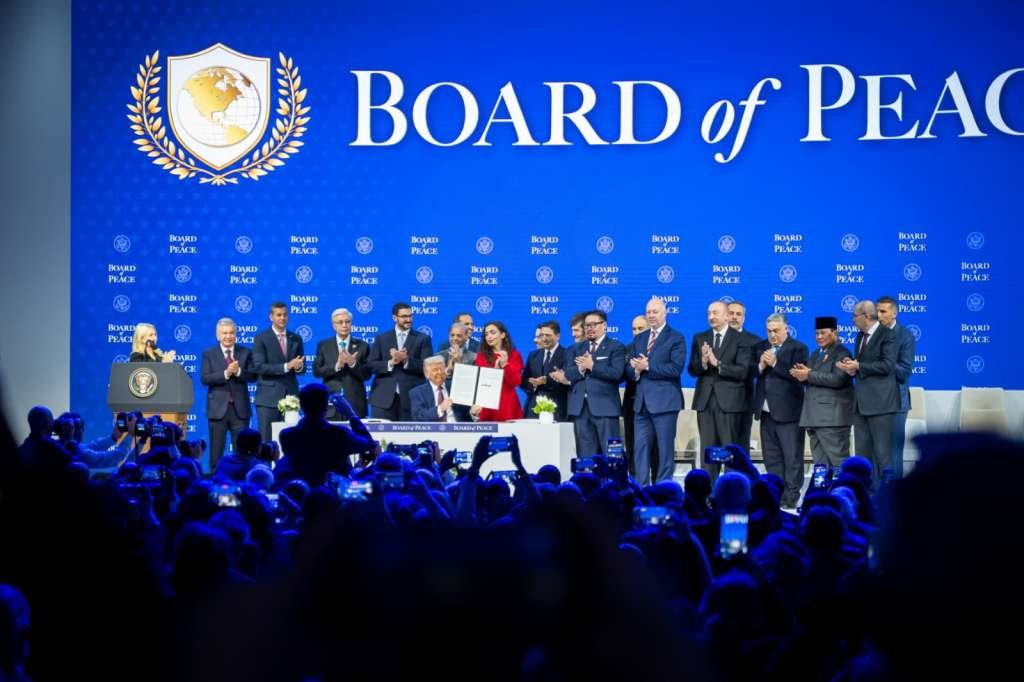
The initiative has drawn commitments from a diverse group of states, though not from key Western allies. Participating or committed countries include:
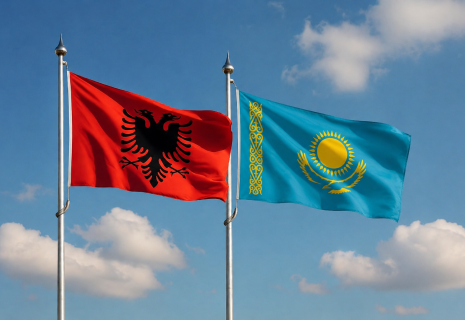
The initiative has drawn commitments from a diverse group of states, though not from key Western allies. The participating or committed countries include: Albania, Argentina, Armenia, Azerbaijan, Bahrain, Belarus, Bulgaria, Egypt, Hungary, Indonesia, Israel, Jordan, Kazakhstan, Kosovo, Mongolia, Morocco, Pakistan, Paraguay, Qatar, Saudi Arabia, Turkey, the United Arab Emirates, Uzbekistan and Vietnam.
From a comparative global political perspective, the Board of Peace can be interpreted as both a pragmatic innovation and a destabilising challenge to existing governance structures. On a positive note, the initiative reflects frustration with the paralysis of traditional multilateral institutions and provides a quicker, leader-driven, resource-focused mechanism for conflict mediation and post-conflict reconstruction. This is particularly appealing to regional and middle powers seeking visibility and influence beyond UN-centric frameworks. Its flexible structure and emphasis on direct negotiation could enable breakthroughs in contexts where formal diplomacy has stalled. However, there are substantial downsides: the Board risks undermining the legitimacy of established international institutions, fragmenting global governance into competing platforms and reinforcing a transactional, power-based model of peacemaking that privileges influence over law. The absence of major powers and core Western allies further weakens its representativeness, while the initiative's focus on U.S. leadership raises concerns about its durability and neutrality.
Behind the scenes at Davos
Behind the polished panels and carefully worded speeches of the World Economic Forum in Davos, the annual meeting is marked by a parallel reality of improvisation, tension, and informal power dynamics that shape outcomes as much as the formal program.
One consistent theme is the significance of informal encounters. Many of the most significant conversations do not take place on stage, but rather in hotel lobbies, private dining rooms, on ski lifts and at invitation-only receptions. These off-the-record meetings often involve a mix of political leaders, CEOs and financial figures negotiating sensitive issues away from the media spotlight. Consequently, Davos functions less like a conference and more like a temporary diplomatic marketplace, where access and proximity are as important as formal authority.
Surprises and gossip are an integral part of the Davos atmosphere. Sudden schedule changes, unexpected appearances by high-profile individuals, or leaked details from closed-door sessions frequently become talking points among delegates. The combination of elite presence and constant media attention can turn even minor incidents into symbols of power and influence.
Protests provide a visible counter-narrative to the elite setting. Activist groups regularly demonstrate against inequality, climate change inaction, corporate influence and the carbon footprint of private jets. While the Swiss authorities typically manage protests well, their presence highlights the legitimacy gap that Davos struggles to overcome.
Despite thorough planning, logistical and technical challenges persist. Severe winter weather can disrupt transport, delay delegations and complicate security operations. Common frustrations for participants include overloaded mobile networks, last-minute room reallocations, and technical glitches during hybrid or livestreamed sessions. Smaller delegations and civil society actors often report having limited access to venues that are dominated by major governments and corporations. This reinforces perceptions of hierarchy and exclusion.
Taken together, the behind-the-scenes reality of Davos reveals the Forum’s dual nature: it symbolizes global cooperation while also being a reflection of global inequality and fragmentation. Geopolitical speeches exposed competing models of order, economic debates revealed a lack of consensus, and discussions about technology showed that the private sector is increasingly acting as a de facto governance actor. Thus, the Forum functioned less as a space of agreement and more as a reflection of a plural, contested and increasingly fragmented global system.