Finance Ministry: Croatian wages continue to outpace inflation - EXCLUSIVE
The average monthly gross salary per employee in legal entities for April 2026 amounted to EUR 2,180, representing a year-on-year increase of 9.1% in nominal terms and 3.1% in real terms, while the figure for the first four months of 2026 was EUR 2,154 (nominal +9.0%, real +4.3%).
This was said by the source in the Ministry of Finance of Croatia in an exclusive interview with CE Report.
The average monthly net wage per employee in legal entities for April 2026 amounted to EUR 1,552, representing a year-on-year increase of 7.9% in nominal terms and 2.0% in real terms, while the average for the first four months of 2026 was EUR 1,536 (nominal +7.9%, real +3.3%).
According to available data, despite inflation totaling 4.6% cumulatively from January to June, real purchasing power continues to show a positive trend.
Salaries in the IT sector are currently among the highest worldwide. Workers in this sector are predominantly highly educated and possess specific skills that are currently in high demand and command high pay. Furthermore, the IT sector is exceptionally profitable, enabling it to offer higher wages for their employees. In contrast, the manufacture of wearing apparel industry typically employs a large number of workers with low levels of education, who often earn the minimum wage.
The projection of the growth in gross wages compared to 2025 is 8%, the Ministry noted.
After five years of exceptionally favorable trends, this year the Ministry expects slower employment growth, driven by factors affecting both labor demand and supply.
Specifically, the slowdown in economic activity, high levels of uncertainty, cumulative rise in labor costs over recent years and unfavorable natural population change trends—are all contributing to this outcome.
On the other hand, migration flows will continue to help balance structural constraints in the domestic labor supply, albeit to a somewhat lesser extent than in recent years.
Following the aforementioned "cooling" of the labor market, real wage dynamics—despite strong growth for the fifth consecutive year—could begin to converge somewhat more rapidly toward the labor productivity trend, a shift that will become apparent towards the end of the current year.
Given that Croatia is a tourism-oriented country, the greatest labor shortage is in the service sector. Furthermore, due to strong investment activity driven by ongoing post-earthquake reconstruction, there is also a labor shortage in the construction sector.
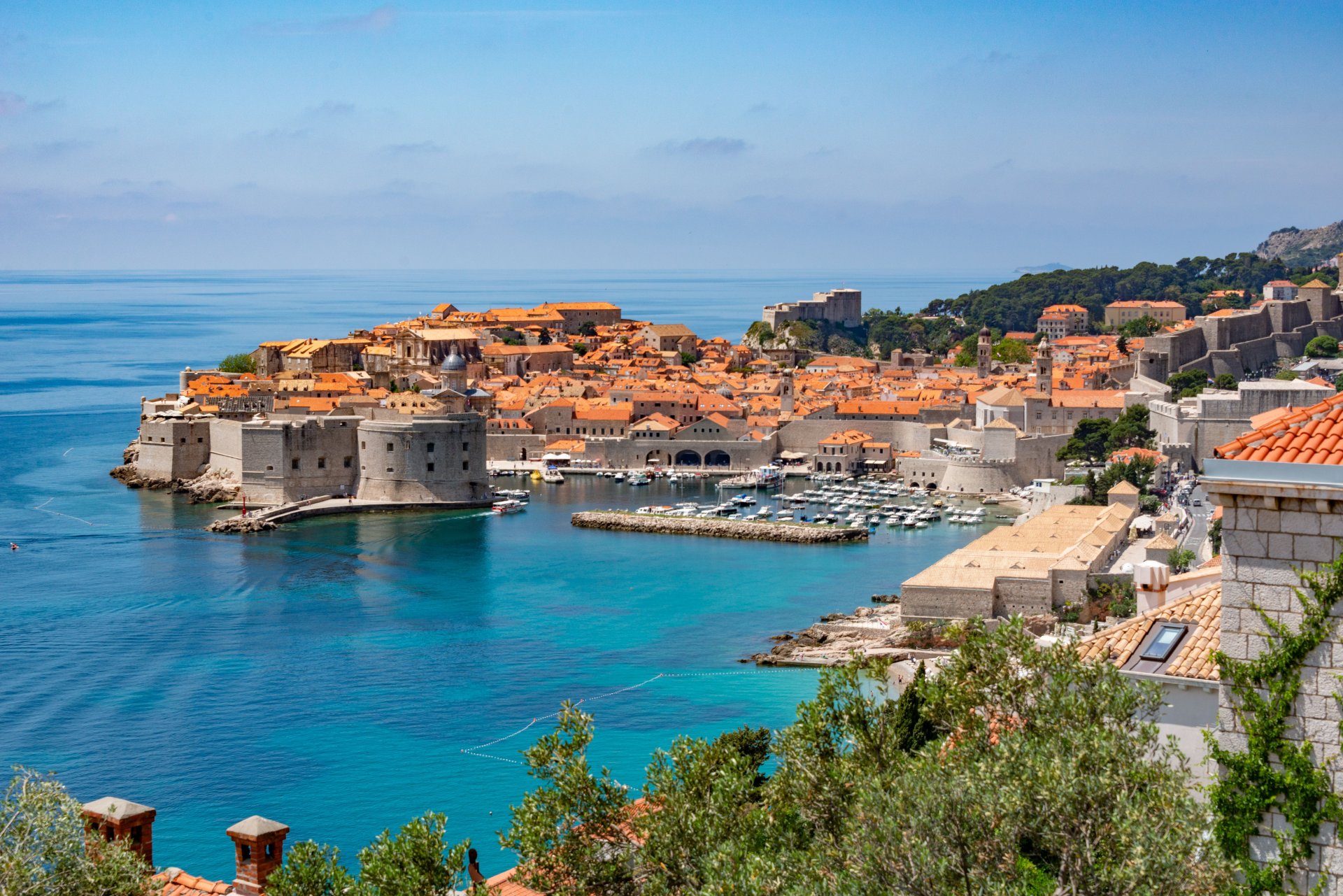
Photo: Pexels (Free Stock Photos)
This interview was prepared by Julian Müller