Bulgaria, Bosch discuss future cooperation
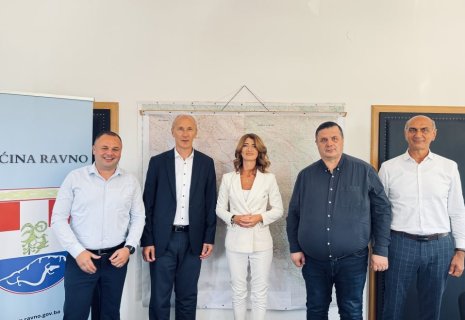
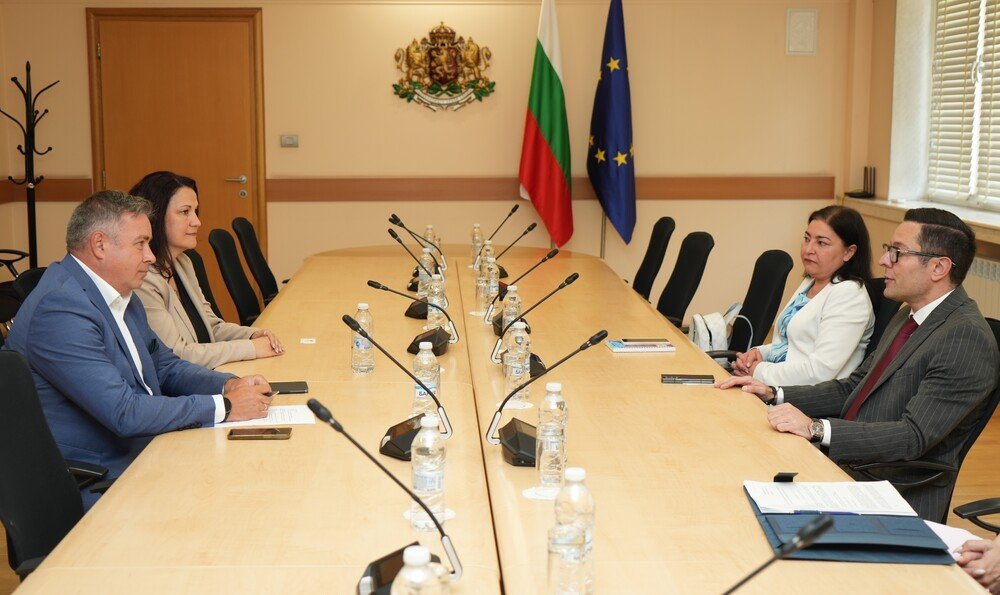
Deputy Prime Minister and Minister of Economy, Investment and Industry of Bulgaria Alexander Poulev met with Dan Lazarescu, General Manager of Robert Bosch Ltd. and Bosch Group's representative for Bulgaria, to discuss the company's decision to gradually wind down operations at the Bosch Engineering Center Sofia, its impact on Bulgaria's high-tech sector, and opportunities for future cooperation, the Economy Ministry said in a press release.
The two sides reaffirmed their commitment to maintaining an active dialogue and strengthening their longstanding partnership, CE Report quotes BTA.
During the meeting, Lazarescu said on behalf of Bosch's management that the company remained committed to Bulgaria over the long term and would continue developing its core business activities in the country.
He explained that the decision to close the engineering centre was driven by structural changes in the global automotive industry and the strategic reorganization of Bosch's research and development operations. According to Lazarescu, the move followed an extensive evaluation process.
"We discussed the situation in Sofia very intensively over several months. We are currently implementing structural changes affecting a number of engineering centres across Europe," he said.
Lazarescu stressed that Bosch would maintain a significant presence in Bulgaria through both its commercial operations and digital business activities. Around 300 highly qualified specialists employed by Bosch Digital will continue working in the country on advanced software development, cloud computing, Internet of Things (IoT), and artificial intelligence (AI) projects.
Bosch has operated in Bulgaria for more than 30 years and remains firmly committed to the country, the Ministry said. The company will continue serving both the Bulgarian market and regional customers across a range of business sectors.
Poulev assured the company's leadership that the Bulgarian government would continue supporting German investors and the development of the country's high-tech industries. "We want to assist you in every way we can. If we can support your current operations or provide incentives for future growth, we are ready to mobilize every available instrument to help German investors, including Bosch," the Deputy PM said.
He also highlighted the government's plans to accelerate the digital transformation of the public sector, adding that Bulgaria intended to rely on the expertise of leading technology companies. "The digitalization of Bulgaria's public administration will accelerate, and we will count on the expertise of companies such as Bosch. I believe we have strong potential to build new partnerships in this field," Poulev said.
He described the automotive industry as one of the Bulgarian economy's most strategic sectors, emphasizing that engineering and R&D centres play a crucial role in maintaining the country's competitiveness. "Bulgaria's automotive sector is closely linked to the performance of the German automotive industry. We started almost from scratch in building expertise in this field. Today, the sector accounts for more than 10% of Bulgaria's GDP, making it critically important to the country's economy," Poulev said.
He noted that nearly 40 research and development centres now operate in Bulgaria, underscoring the need for continued government support to preserve and expand high-value technological activities.
"We must ensure that this highly skilled workforce adapts to the new realities. Our goal is not only to preserve our ties with the German automotive industry but to deepen them," he added.
During the meeting, Poulev also stressed the strategic importance of German investment for Bulgaria.
"We highly value our relationship with Germany. It is one of Bulgaria's most important diplomatic and economic partners, our leading industrial partner and largest export market. For that reason, any developments affecting the German economy inevitably have repercussions for Bulgaria as well," he said.
At end-June, Bosch announced that it would close its Engineering Center Sofia by mid-2027 as part of a broader restructuring plan. The move is expected to affect around 670 employees, with approximately 400 positions to be eliminated during 2026 and the remaining jobs to be phased out by the middle of 2027.
Photo courtesy of the Economy Ministry of Bulgaria