Slovenia tests integrated care model linking young and old
Borrowing from a model that has gained traction abroad but remains uncommon in Slovenia, the rural municipality of Velike Lašče is converting surplus kindergarten classrooms into a day care centre for the elderly, aiming to bring the community's youngest and oldest residents together under one roof.
Located 30 kilometres south of Ljubljana, Velike Lašče faces the same demographic pressures confronting many rural communities across Europe: falling birth rates and an ageing population, CE Report quotes The Slovenia Times.
The result is a growing mismatch between underused educational facilities and an acute shortage of services for seniors.
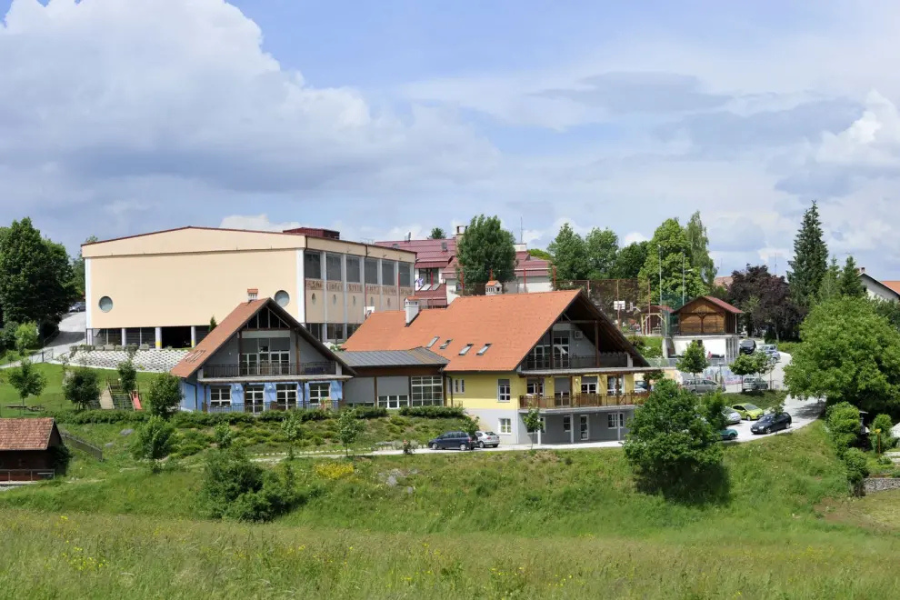
Seeking to address both challenges at once, the local council has approved the renovation of the Karlovica branch school building. Until recently, the site accommodated three kindergarten classes, but declining enrolment has reduced that number to one. The vacated classrooms are now being repurposed into a day care facility for seniors who still live independently but benefit from supervision, social contact, and structured activities during the day.
A defining feature of the project is its emphasis on intergenerational interaction. With the kindergarten continuing to operate in the same building, the municipality plans to encourage regular contact between children and older residents through shared workshops, storytelling sessions, and recreational activities. Officials say the approach is intended to enrich daily life for both groups, allowing seniors to age with dignity in a familiar, home-like setting while remaining embedded in the local community.
The centre will be operated by the Grosuplje Care Home and is expected to host between five and ten seniors per day. Support will also come from local organisations, including the Pensioners' Association and various cultural groups, which will help organise craft workshops and light exercise programmes designed to keep participants active and engaged.
The renovation project is valued at around €180,000, with nearly half the amount secured from the European Agricultural Fund for Rural Development.
Construction work is already underway and includes the installation of a new kitchen and dining area, a large common room, and rest facilities. The outdoor space is also being upgraded, with plans for a garden pavilion, raised planting beds, and exercise equipment adapted for older people. Municipal officials expect the intergenerational centre to welcome its first users in March.
Although Slovenian governments have long promoted intergenerational centres, most of these are community drop-in centres rather than formal care facilities. Comparable projects remain rare.
One notable example emerged in 2023, when the Notranje Gorice Care Home southwest of Ljubljana became the first in the country to formally integrate a Montessori kindergarten unit within a residential care setting, reporting measurable improvements in residents' well-being.
Elsewhere, the municipality of Starše, east of Maribor, is developing a large-scale, purpose-built intergenerational complex that will combine a nursing home with sheltered housing to form a self-contained community village.
These initiatives reflect a rapidly growing trend globally and across the EU, where traditional care is being replaced by integrated models.
Photo courtesy of the municipality