Bill Gates proposes tax on AI-generated content and robots
Microsoft co-founder and former CEO Bill Gates on Wednesday called for measures to manage the changes brought about by artificial intelligence (AI), proposing an AI tax, the creation of an international oversight body and the designation of certain jobs exclusively for humans, AFP reported, CE Report quotes AGERPRES.
“I don’t like giving people bad news or saying that innovation can have negative consequences globally, but here we are,” the tech entrepreneur, now in his 70s, told The New York Times.
The remarks mark a notable shift in tone for one of the technology industry’s most prominent figures, who as recently as last year believed AI would make a clearly positive contribution to humanity despite some negative aspects.
“The world needs a plan to manage the effects of this technology on our societies,” he warned in a lengthy message, similar to those recently published by other leading figures in the AI industry, including Dario Amodei of Anthropic, Mark Zuckerberg of Meta and Sam Altman of OpenAI.
Referring to proposals put forward by those entrepreneurs, Gates said “we should not expect them to take the lead” on the issue.
Like Altman, Amodei and Demis Hassabis of Google, who spoke at the G7 summit held in Evian in June, the Microsoft co-founder supports the establishment of an international AI oversight body modeled on organizations such as the International Atomic Energy Agency (IAEA) and the International Civil Aviation Organization (ICAO).
Gates also proposed reserving certain jobs for humans to limit AI’s impact on the labor market and preserve the human interaction that is an important part of some professions.
Many technology industry representatives predict that AI will create more jobs than it eliminates.
However, Gates, who now devotes most of his time to his foundation, where he serves as chairman, believes that “without appropriate measures, there will eventually be far fewer jobs than there are today.”
The US billionaire expects tax revenues from paid employment to decline and has proposed compensating for the loss by introducing taxes on AI-generated content and robots.
Beyond generating tax revenue, such measures would “slow down the rush toward” workplace automation and help “raise funds for job training and strengthening the social safety net,” Gates explained.
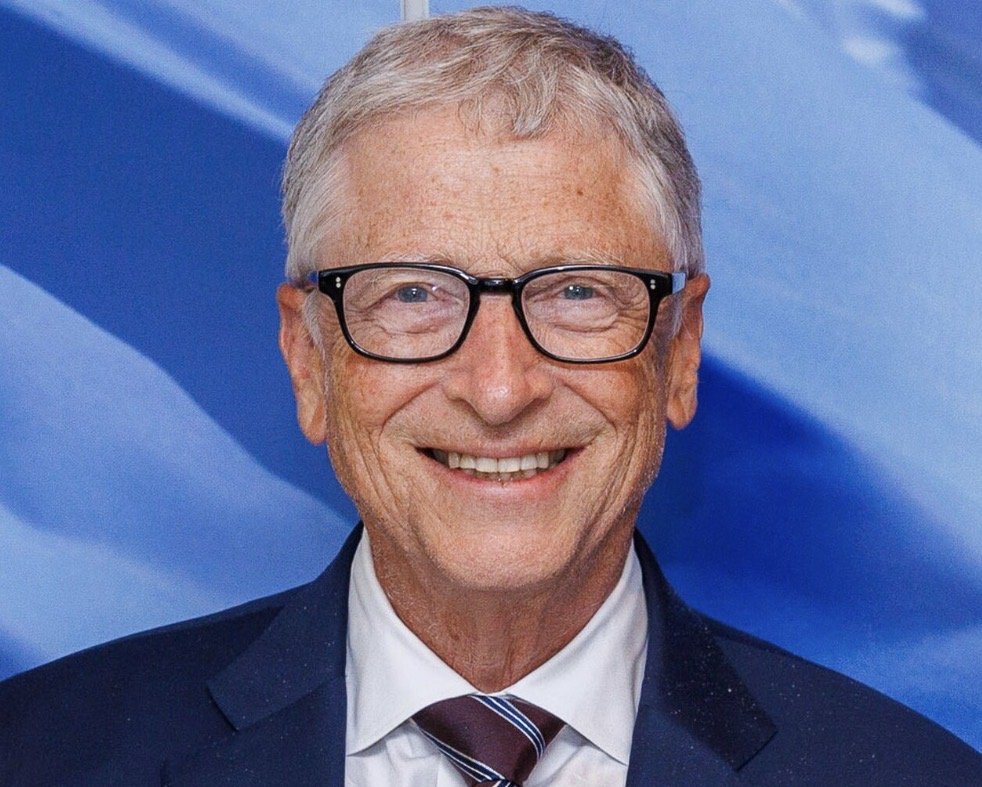
Photo: Wikipedia