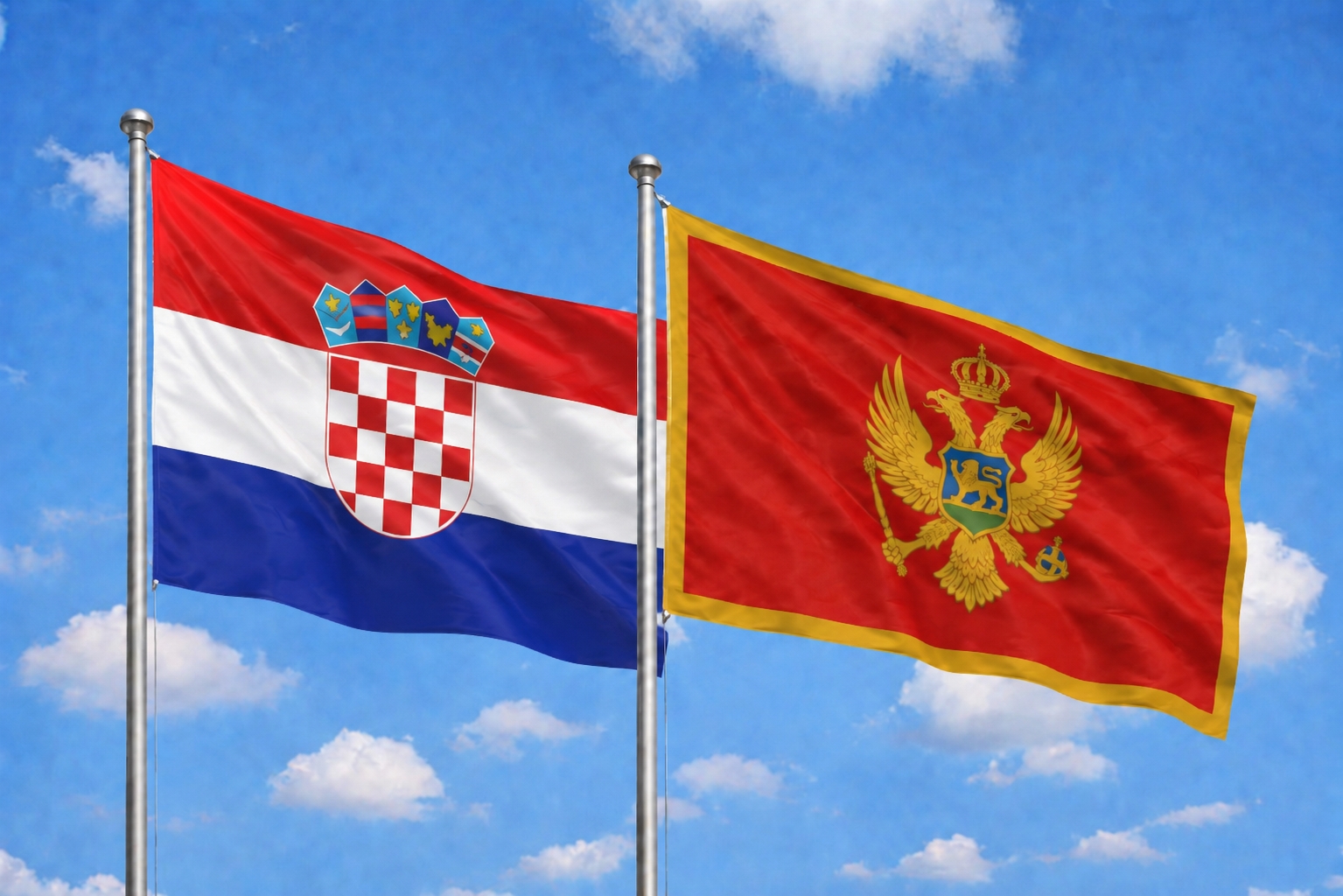
No real progress in Croatia-Montenegro disputes, says analyst
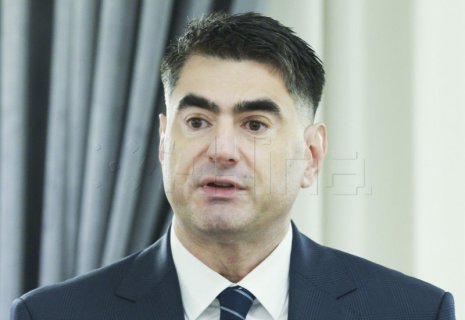
There has been no real progress in resolving outstanding political issues between Croatia and Montenegro, while part of the government in Podgorica is deliberately deepening tensions with Zagreb, Montenegrin political analyst Danilo Kalezić told Hina.
The recent exchange of letters between the foreign ministries of Croatia and Montenegro shows that there has been no genuine progress in resolving outstanding bilateral issues, said Kalezić, an analyst and researcher at the History Institute of the University of Montenegro, CE Report quotes HINA.
Without political will from Podgorica to resolve the outstanding disputes, it is difficult to expect Zagreb's support in the final stage of Montenegro's European Union accession negotiations, Kalezić said, adding that part of Montenegro's governing coalition is consciously escalating tensions with Croatia.
Commenting on the open letter issued by Croatia's Ministry of Foreign and European Affairs, Kalezić said it represented an effort by Zagreb to clearly define its negotiating positions and to counter months of claims by the Montenegrin government that significant progress had allegedly been made in resolving outstanding issues with Croatia—claims which, in his view, do not reflect reality.
He added that the Croatian ministry's letter dispelled the illusion the Montenegrin authorities had sought to maintain publicly, making it clear that there is no genuine political will in Podgorica to resolve the disputed issues.
Zagreb's Demands
On July 22, Croatia's Ministry of Foreign and European Affairs sent an open letter calling on Podgorica to take decisive steps, engage in constructive dialogue, and accelerate efforts to resolve outstanding bilateral issues, while reminding Montenegro that good neighborly relations are one of the key political criteria in the EU enlargement process.
The letter also stressed that the European Union cannot and does not wish to import bilateral disputes, meaning unresolved issues must be settled so they do not burden the accession process.
Zagreb expects concrete progress on several issues, including compensation for former detainees of wartime camps, the continued search for 14 people still missing from the Croatian War of Independence, the prosecution of war crimes, the resolution of Croatian citizens' property claims, the preservation of the memorial plaque at the former Morinj prison camp, continued talks on maritime border delimitation, and the return of the training ship Jadran.
Montenegro's Ministry of Foreign Affairs responded that the outstanding issues would be addressed through open, continuous, and constructive dialogue.
"We will continue to approach the resolution of outstanding issues with our friendly neighbor Croatia openly, responsibly, and in good faith, convinced that relations between two friendly and allied countries should serve as an example of how even complex issues can be resolved through dialogue, mutual respect, and a shared commitment to a common European future," the ministry said in a statement.
Kalezić, however, argued that the actions of the Montenegrin government do not support such declarations.
"Instead of sincere dialogue, we have witnessed attempts by the government in Podgorica to mislead both the European Commission and Zagreb, based on the mistaken belief that technical discussions could conceal the absence of substantive political action," he said.
Serious Consequences
While formally expressing readiness for dialogue with Croatia, the Montenegrin authorities are simultaneously making decisions that amount to open political provocations, Kalezić argued.
As examples, he cited the adoption of the Resolution on the Genocide in Jasenovac and the appointment, in the recently reshuffled government, of a minister who denies the genocide in Srebrenica.
He warned that such an approach could have serious consequences during the final phase of Montenegro's EU accession process.
"Outstanding bilateral issues could become a stumbling block in the final stage of EU accession negotiations, even if Montenegro fulfills all the technical requirements of the European agenda," he said.
Kalezić also stressed that certain members of Montenegro's ruling majority who are close to Belgrade are deliberately creating tensions with Croatia because, he claims, Montenegro's European integration is not their political objective but rather an obstacle to their ideological and political agenda.
Montenegro has provisionally closed 18 of its 33 negotiating chapters with the European Union, while 15 remain open.
Podgorica aims to close the remaining chapters by the end of the year and conclude accession negotiations so that Montenegro can join the European Union in 2028. However, this will require the unanimous approval of all EU member states, including Croatia.
Photo AI