Slovenia moves first Ministry headquarters from Ljubljana to Maribor
Slovenia has formally moved the seat of one of its ministries from the capital Ljubljana to Maribor, launching what the government says is the first concrete step in a broader effort to decentralise state administration and spread well-paying public sector jobs more evenly across the country.
The Ministry of Local Self-Government, Cohesion and Regional Development formally transferred its seat to Maribor, becoming the first ministry in independent Slovenia to be headquartered outside Ljubljana, CE Report quotes The Slovenia Times.
Govt sees boost to regional development
The move is part of Prime Minister Janez Janša's centre-right government's pledge to shift some state institutions and parts of ministries out of the capital and strengthen the role of regional centres.
For a country of just over 2 million people, Slovenia is highly centralised, with political power, ministries, major state institutions and many better-paid public jobs concentrated in Ljubljana.
The government argues that relocating parts of the administration could help rebalance development, bring decision-making closer to citizens and support cities that have long complained of being overshadowed by the capital. It would also reduce the cost of renting offices and ease gridlock in and around the capital.
"Decentralisation is one of the coalition's core priorities," the Interior and Public Administration Ministry said, adding that state administration units and ministry seats or parts of ministries should operate across different Slovenian regions.
The Regional Development Ministry has said the move to Maribor is meant to strengthen "regional presence" and, over time, build up the ministry's new headquarters there.
In the first phase, around 70 of the ministry's 253 employees are expected to work from Maribor, while the ministry will continue to operate on three sites - in Maribor, Ljubljana and Štanjel in western Slovenia.
Officials say the rollout will be gradual and initially centred on staff who already live closer to Maribor than to Ljubljana, with future hiring for Maribor prioritised where possible. The ministry's new seat is in a state-owned office building in Maribor, while part of its Ljubljana premises is rented.
The Maribor move may not be the last. Education Minister Borut Rončevič has said he wants to relocate the entire Education, Science and Youth Ministry to Novo Mesto, in southeastern Slovenia, by the middle of the government's term.
He said he was not talking about "a symbolic move of the minister's office or a few employees" but a full relocation of a ministry employing about 400 people, provided suitable office, transport and organisational conditions are secured.
Unions warn about costs and legal constraints
The plans, however, have already drawn criticism from trade unions and prompted questions over costs, logistics and labour law.
Unions say the government did not consult them in advance and warn that Slovenian legislation does not allow a civil servant to be reassigned to a workplace more than 70 km away without consent. That could limit how far ministries can be moved if most staff remain based in or around Ljubljana.
Branimir Štrukelj, head of the public sector union confederation and secretary-general of the SVIZ education union, said the idea "sounds nice" but would create "additional costs that will not be small".
He said new premises would have to be rented or adapted and many employees would face longer commutes, increasing travel expenses for the state.
There are also questions about practical logistics. The way the Slovenian road, rail and public transportation system is designed, Ljubljana is the main crossroads and it is fairly easy if often time-consuming due to heavy traffic to commute there from any part of the country.
But to get from Maribor in the east to Novo Mesto in the south by car, for example, requires either going to Ljubljana first and then south on the motorway, using small regional roads, or even going through Croatia, making travel longer and more expensive. Using public transportation would be even more difficult, requiring at least one transfer.
The government has yet to present a full cost-benefit analysis. The Regional Development Ministry said detailed financial calculations, including transport costs, were still being prepared and that the transfer would be carried out in line with organisational and financial efficiency.
It has, however, been argued that moving jobs closer to where employees live could eventually reduce the need for remote work and ease commuting for some staff outside the capital.
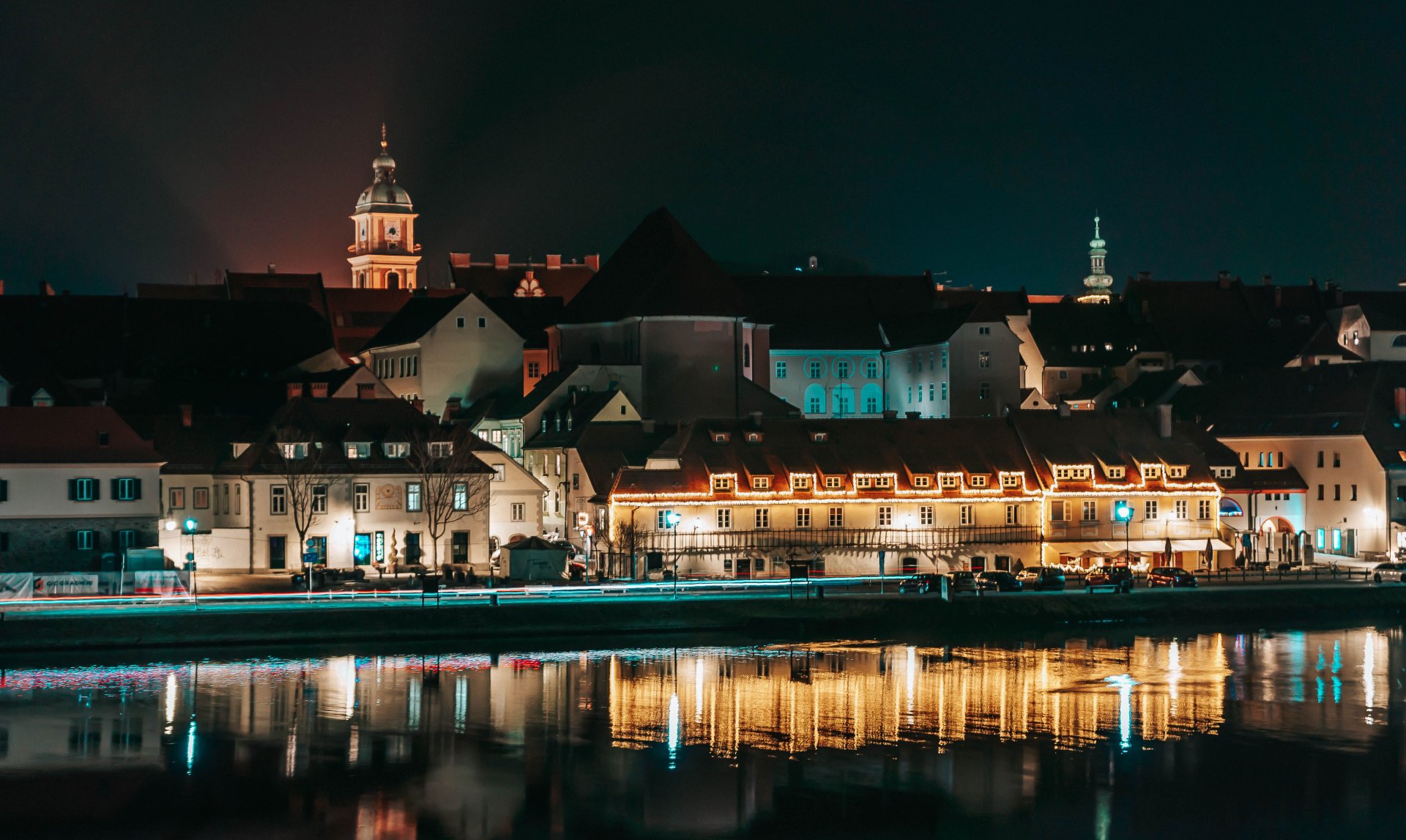
Photo: Pexels (Free Stock Photos)