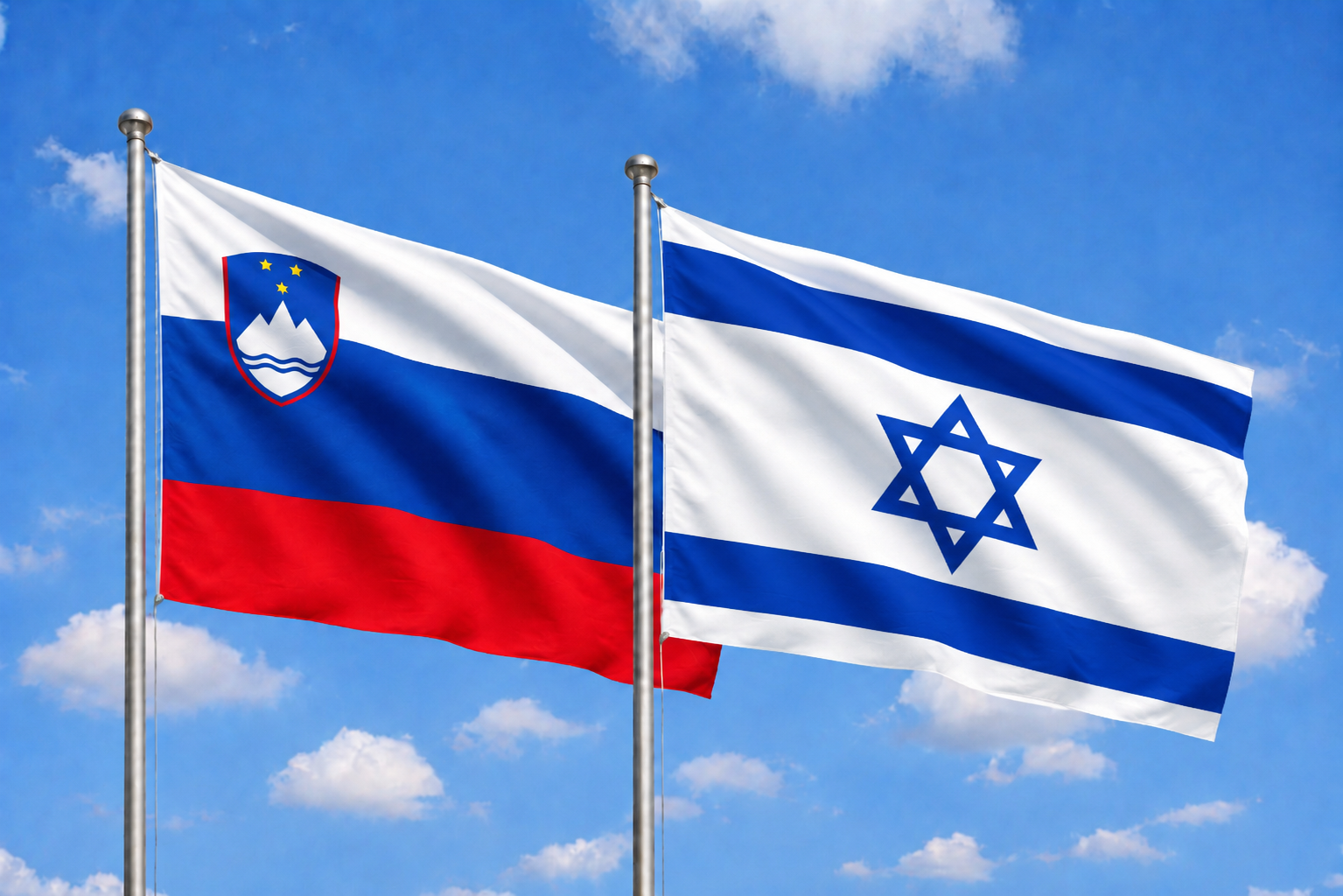
Slovenia's Jerusalem embassy plan faces domestic, international pushback
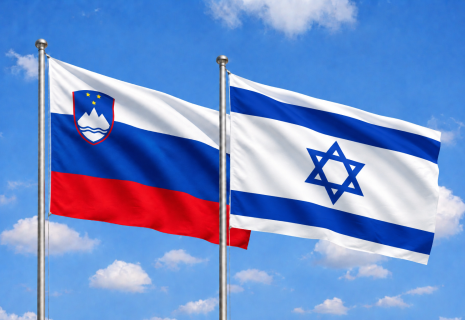
A proposal by Slovenian Prime Minister Janez Janša to relocate the country's embassy in Israel from Tel Aviv to Jerusalem and freeze the recognition of Palestine has been met with domestic and international pushback and is at risk of stalling as even his allies have expressed trepidation about a move that represents a break from EU consensus.
Following Janša's announcement in a recent interview with the Israeli newspaper Israel Hayom, President Nataša Pirc Musar issued a firm response indicating that she views the potential relocation as a departure from the international consensus on the status of Jerusalem, CE Report quotes The Slovenia Times.
Under Slovenian legislation, diplomatic representations are opened and closed by order of the president, meaning the executive branch cannot unilaterally relocate the mission. "Slovenia recognized the state of Palestine on 4 June 2024," the president's office stated, adding that she "continues to consider it [this decision] the right one today."
Pirc Musar, one of the few world leaders who have openly accused Israel of perpetrating genocide in Gaza, also reiterated that a two-state solution is the only path to a just and sustainable peace, noting that "a two-state solution can only be based on the recognition of both states."
Brussels signals policy continuity
The EU has similarly clarified that its baseline stance on the Middle East conflict remains unchanged, with the European Commission announcing that the bloc and its member states will continue to respect the international consensus on Jerusalem until its final status is resolved via negotiations.
"The EU and its member states will continue to respect the international consensus on Jerusalem... including on the location of diplomatic representations," Commission spokesperson Anouar El Anouni said.
He cited UN Security Council Resolution 478, which calls on countries to withdraw diplomatic missions from the city.
Legal experts sceptical
International relations experts and legal scholars have raised doubts about the plan, particularly regarding the Palestinian statehood status.
Milan Brglez, a professor of international relations and former National Assembly president, explained that "freezing" the recognition of a state does not exist under international law and would not erase Slovenia's formal recognition of Palestine ratified in 2024.
Brglez warned that relocating the embassy would be interpreted as a de facto recognition of Israel's sovereignty over occupied territory, which could weaken Slovenia's legal standing more broadly.
"If, in the case of Palestine, Slovenia relativises the occupation, annexation or the status of Jerusalem, it weakens its own arguments in all other cases where it relies on international law," he said.
Political sciences professor Faris Kočan also noted that the move would make Slovenia the only EU member to place its embassy in Jerusalem, warning that the country would "legitimize and legalize Israel's occupation of Palestinian territories."
Political allies apprehensive
The prime minister's announcement has exposed friction within the newly formed governing coalition and its parliamentary allies.
Janša claimed that freezing the "illegal decision" to recognize Palestine was a condition set during coalition negotiations to which everyone agreed. However, the Democrats, a junior coalition partner, said that the recognition freeze was "a matter to be decided within the government" and noted that a freeze was not explicitly written into the coalition agreement.
Regarding the potential embassy relocation, the party's deputy group indicated its stance depends on agreements at the EU level.
"Whatever the member states agree on, the Democrats will support," the deputy group's leader Elena Zavadlav Ušaj said.
The Truth party, which is formally in opposition but acts as a consistent ally securing the missing votes for the minority government, voiced direct opposition to the plans. Truth leader Zoran Stevanović said this would be " contrary to, or outside the practice of, international law," adding that his party would absolutely oppose it.
Remaking of ties with Israel
Relations with Israel have long been one of the fault lines in Slovenian left-right divisions, and Janša's announcement is part of a broader shift in Slovenia's policy towards Israel after the previous, left-liberal government vocally criticised Israel for its conduct in Gaza and the broader region, and forged closer ties with Palestine.
The new government moved swiftly after inauguration to remove a Palestinian flag from the Government Palace that had been put there when Palestine was recognised, a symbolic move that was welcomed by Israeli officials who accused the previous government of hostility to the Jewish state.
It also lifted an arms embargo on Israel and revoked travel bans against Prime Minister Benjamin Netanyahu and two far-right members of his cabinet introduced by the previous government.
Photo AI