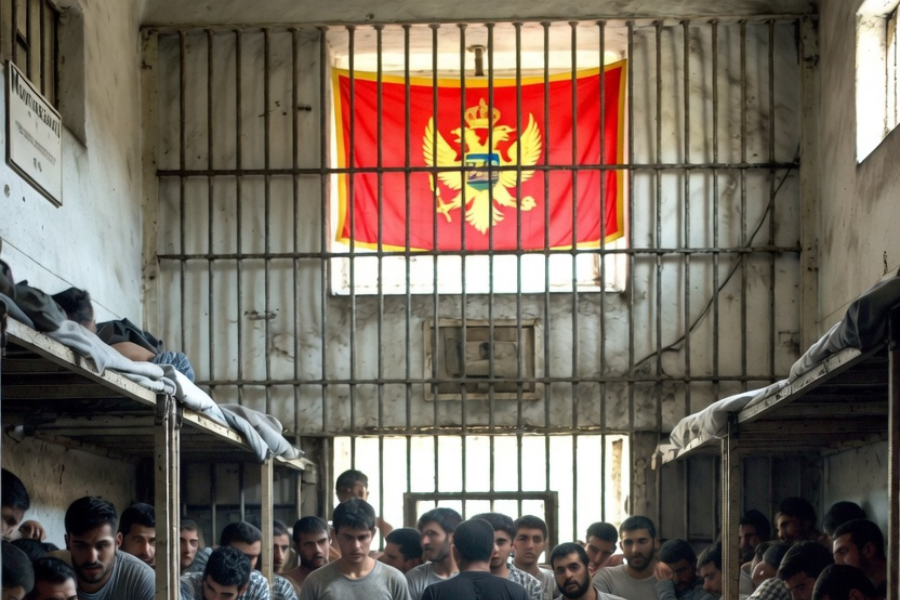
Montenegro faces serious prison overcrowding
The latest annual report by the Council of Europe on prison populations shows that many European countries continue to face serious prison overcrowding.
Montenegro is among the states that recorded the largest increase in incarceration rates over the past year, CE Report quotes FENA.
According to the report, the incarceration rate in Montenegro rose by 22 percent between January 2024 and January 2025, making it the second-largest increase in Europe, just behind Türkiye, where a 29 percent rise was recorded.
With 200 prisoners per 100,000 inhabitants, Montenegro is among the European countries with the highest incarceration rates, reports RTCG.
The report shows that 53 percent of prisoners in Montenegro are in pre-trial detention, placing the country among those with the highest shares of remand detainees on the continent.
The average age of prisoners in Montenegro is 41, making it one of the countries with the oldest prison populations in Europe, alongside Estonia and Serbia.
At the same time, women account for 2.8 percent of the prison population in Montenegro, one of the lowest shares in Europe.
Across Europe, the number of prisoners has increased from 94.7 to 95.2 per 100 available places, with nine prison systems reporting severe overcrowding.
The Council of Europe also warns about a growing number of older prisoners.
The share of prisoners aged over 65 increased from 2.5 percent in January 2020 to 2.9 percent in 2025.
The report also notes a slight increase in the share of women in Europe’s prison population, from 4.8 to 5.2 percent between January 2024 and January 2025.
The most common reasons for imprisonment in Europe remain drug-related offenses, accounting for 17.3 percent of all convictions, followed by theft at 12.1 percent. Around one-third of prisoners are serving sentences for violent crimes, including murder, sexual offenses, assaults, and robberies, the document states.
Photo AI