Female student brutally killed during Iran protests
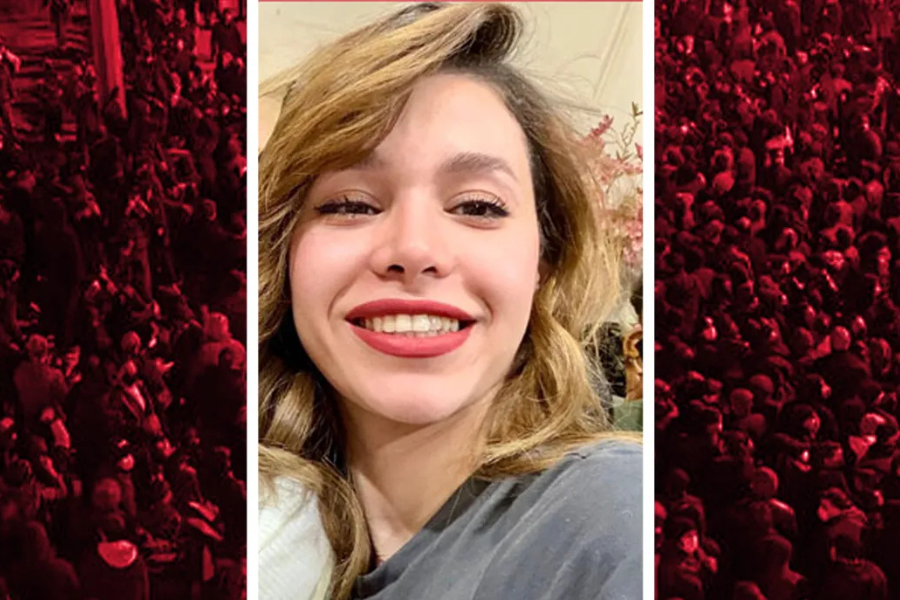
At just 23 years old, Kurdish Rubina dreamed of working in the fashion industry and living a normal life.
It all ended in an instant, CE Report quotes ATA.
The brutal repression by the Iranian regime took her life—shot in the back.
Rubina Aminian, originally from Marivan, was killed while she was on the streets with many young people like her, protesting against a liberticidal government that, for more than two weeks, did everything it could to silence a generation tired of fighting for their rights, even at the cost of their safety.
A generation that wants freedom.
The same freedom Rubina desired, a textile and fashion design student at Tehran’s Shariati College.
According to Human Rights in Iran, she was killed after leaving university to join the protests.
She was shot in the head, from behind, at close range.
It was like an execution.
After learning of her death, her family traveled from Kermanshah, where they live, to the capital, Tehran, to identify her.
According to sources close to the family, collected by the NGO, in the same place where Rubina’s body was discarded—in a cynical and mocking act near the university—lay the bodies of hundreds of other young people killed during the protests.
Most were aged between 18 and 22, shot at close range in the head and neck by government forces.
The total number of verified deaths, according to the Human Rights Activists News Agency, is currently 466, though some sources estimate the number may exceed 2,000.
Among them is Rubina, a Kurdish woman almost the same age as Mahsa “Jina” Amini, whose brutal killing in 2022 sparked widespread protests and gave rise to the “Women, Life, Freedom” movement.
The family of another victim was initially denied the right to identify Rubina’s body and later refused permission to take it. When they were finally allowed to, upon returning to Kermanshah, they found intelligence forces surrounding their home.
The 23-year-old was ultimately buried along the road between Kermanshah and Kamyaran, but none of the mosques the family approached agreed to perform the burial rites, stating they were not authorized. Once her death became known, Rubina’s name became a hashtag on social media, a call for solidarity.
Images published, despite an internet shutdown lasting over 60 hours, show her happy, applying makeup in front of the camera and wearing some of her designs—from muted tones to bright patterns.
The footage sometimes shows her unveiled, and sometimes wearing a hijab.
Photo: Instagram