Montenegro backs Southern Gas Corridor link via Ionian-Adriatic pipeline
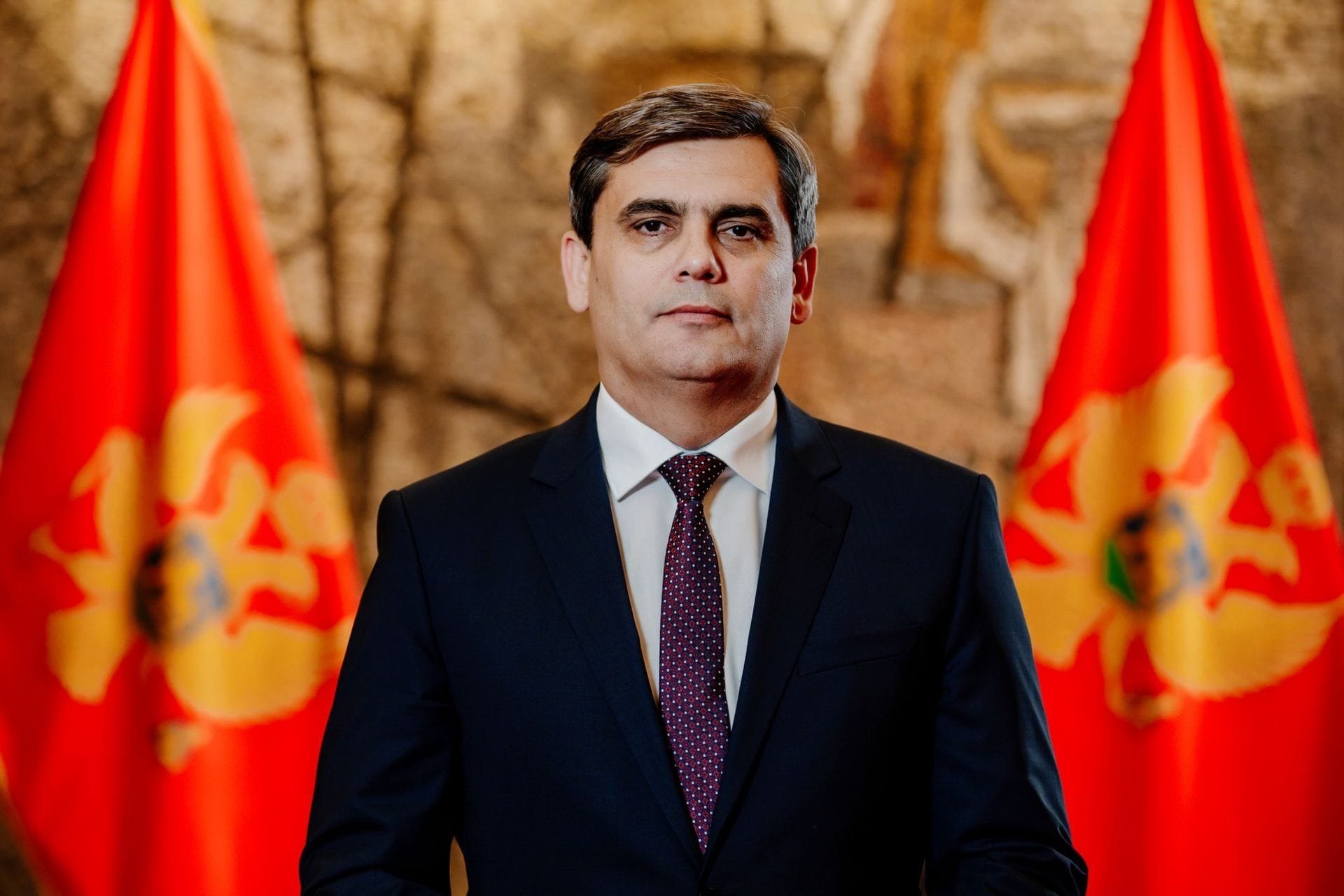
Montenegro is ready to significantly deepen cooperation with Azerbaijan in the fields of natural gas, renewable energy and sustainable development, Deputy Prime Minister and Minister of Foreign Affairs of Montenegro Ervin Ibrahimović said in an exclusive interview with the Azerbaijani news agency Trend during his official visit to Baku.
Ibrahimović described relations between Montenegro and Azerbaijan as traditionally friendly and partnership-oriented, stressing that his visit aimed to further strengthen political dialogue and expand practical cooperation.
“Montenegro and Azerbaijan maintain high-level relations marked by positive dynamics and cooperation across multiple areas of mutual interest. During my meetings with Azerbaijani officials, we jointly confirmed our shared readiness to further deepen these ties through concrete initiatives,” Ibrahimović said.
During talks with Azerbaijan’s Foreign Minister Jeyhun Bayramov, Speaker of the Milli Majlis Sahiba Gafarova, Prime Minister Ali Asadov and Finance Minister Sahil Babayev, the Montenegrin delegation focused on strengthening cooperation in energy, economy, tourism, investments and foreign policy coordination.
According to Ibrahimović, particular attention was given to economic cooperation, especially in the energy sector, as well as to the exchange of views on current global developments. He also reiterated Montenegro’s support for international efforts aimed at lasting peace and stability in the region, including recent diplomatic initiatives between Armenia and Azerbaijan.
During the visit, Ibrahimović presented Montenegro’s key foreign policy priority – European integration.
“Montenegro is strongly committed to completing EU accession negotiations by the end of 2026 and being ready for membership by 2028. We have already achieved tangible results, including the closure of five negotiation chapters at the Intergovernmental Conference in Brussels in December,” he said.
He assessed the visit as highly successful and productive, noting that it further strengthened the foundations for long-term cooperation between Montenegro and Azerbaijan.
Ibrahimović confirmed Montenegro’s clear interest in importing Azerbaijani natural gas as part of its strategy to enhance energy security and diversify supply sources.
“Energy represents one of Montenegro’s key development potentials. We are ready to intensify cooperation with Azerbaijan, particularly in the gas sector and renewable energy, through the exchange of expertise and experience,” he said.
Discussions in Baku included possible next steps in energy cooperation, such as organizing intersectoral meetings and exploring modalities for gas distribution to Montenegro. These topics will also be addressed at the upcoming session of the Joint Commission for Economic Cooperation.
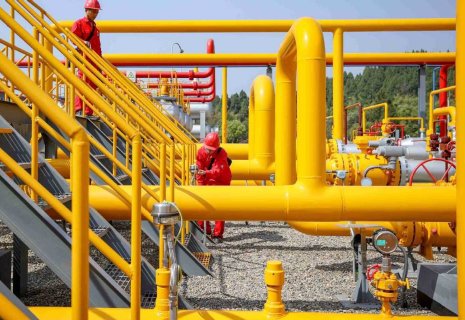
A key project for Montenegro is the Ionian-Adriatic Pipeline (IAP), identified in the country’s Energy Development Strategy until 2030 as the most realistic option for gasification.
“The IAP, envisioned as the final segment of the Southern Gas Corridor, would enable the delivery of gas from Azerbaijan’s Shah Deniz field to Montenegro via the Trans Adriatic Pipeline. The project has strong EU and Euro-Atlantic support and is recognized as a strategic priority,” Ibrahimović said.
He noted that the project would open space for foreign investment, ensure stable gas supply, reduce pollution and improve regional connectivity.
Ibrahimović highlighted green energy and sustainable development as particularly promising areas of cooperation.
“Montenegro’s energy strategy is based on decarbonization, green transition and increased use of renewable energy sources, fully aligned with the European Green Deal. In this context, Azerbaijan’s experience in both conventional and green energy represents significant cooperation potential,” he said.
Montenegro plans to invest heavily in renewable energy, energy efficiency and regional energy connectivity, while viewing natural gas as an important transitional energy source.
The Montenegrin foreign minister emphasized steady political dialogue and a solid institutional framework supporting bilateral relations, including numerous bilateral agreements.
A notable outcome of the visit was the signing of a Memorandum of Cooperation in consular affairs, aimed at improving services for citizens of both countries.
Ibrahimović also pointed to strong cooperation at the multilateral level, particularly within the United Nations, and highlighted opportunities to strengthen parliamentary and academic ties, as well as cultural cooperation.
He announced that Montenegro looks forward to hosting concrete joint initiatives in 2026, when the country marks the 20th anniversary of restored independence. Several agreements currently under procedure – including in agriculture, energy and avoidance of double taxation – are expected to be finalized.
Special importance was attached to the planned 4th session of the Joint Commission for Economic Cooperation in the first half of March 2026.
Ibrahimović stressed that Montenegro welcomes Azerbaijani investments, particularly in energy, tourism, infrastructure, green projects and sustainable development.
He highlighted the Portonovi luxury complex as one of the most successful Azerbaijani investments in Montenegro, describing it as a symbol of strong economic cooperation.
“Tourism remains one of Montenegro’s key economic sectors, and Azerbaijani investors are welcome to participate in its further development, alongside infrastructure, health tourism and sustainable projects in northern Montenegro,” he said.
Finally, Ibrahimović noted Azerbaijan’s importance as a NATO partner and welcomed deeper cooperation in areas such as defence reform, civil preparedness and counter-terrorism.
“Montenegro stands ready to cooperate with Azerbaijan both within NATO frameworks and through bilateral initiatives, contributing to regional stability and security,” he concluded.
Photo: Government of Montenegro