Archaeologists uncover 131 ancient Hittite tablets in Türkiye
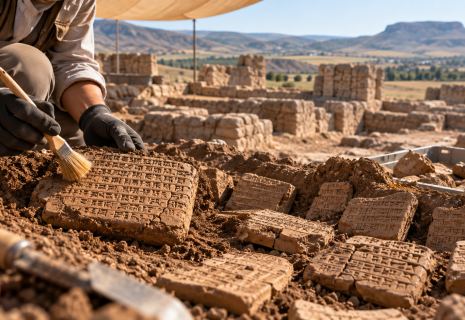
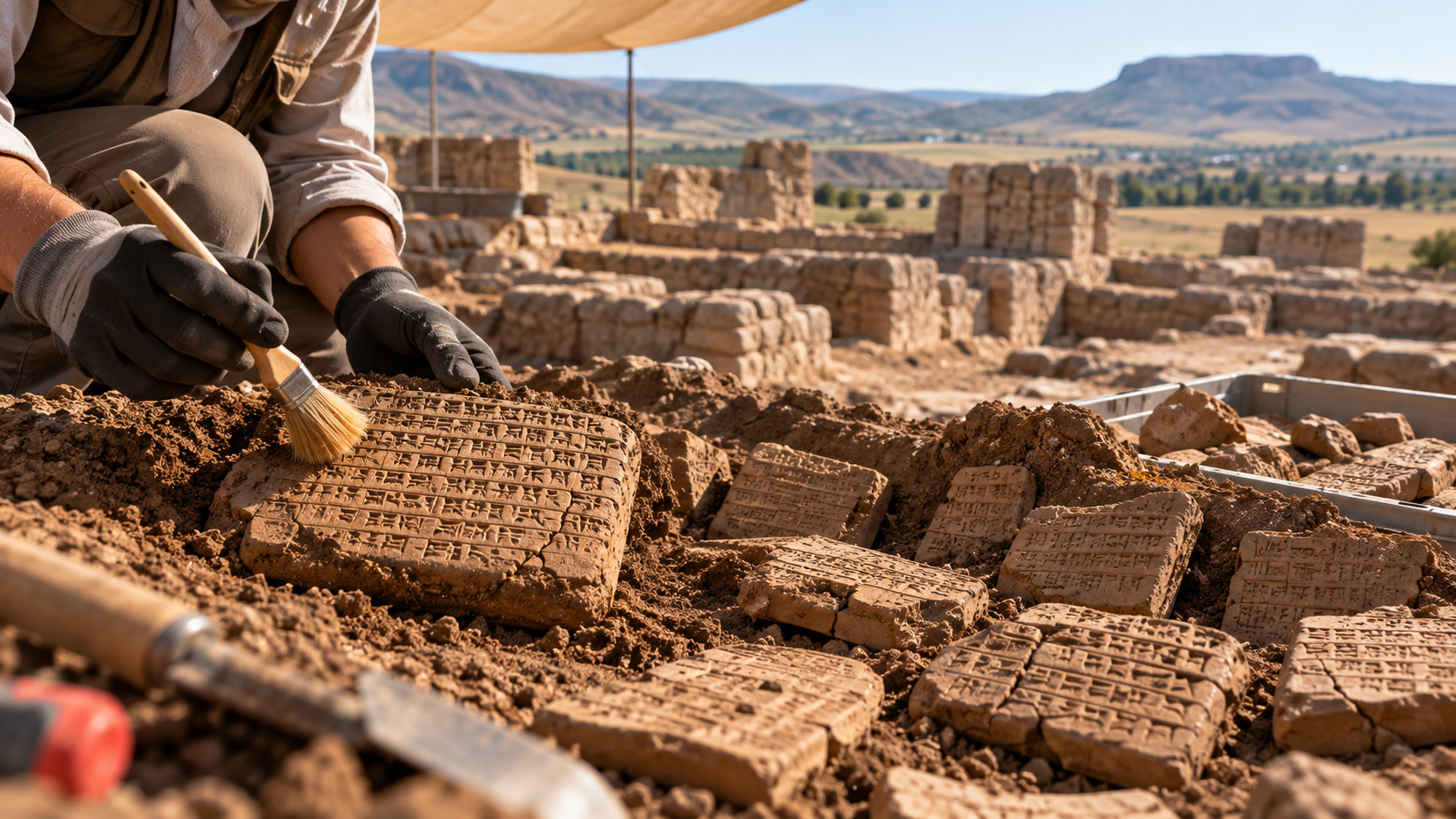
Archaeologists have uncovered 131 cuneiform tablets and fragments dating to the reign of King Tudhaliya II during excavations at Kayalıpınar in Türkiye’s central Sivas province, Culture and Tourism Minister Mehmet Nuri Ersoy announced.
In a statement shared on the NSosyal platform, Ersoy described the discovery as a major breakthrough in understanding the administrative and historical records of the Hittite civilization, CE Report quotes Anadolu Agency.
During the 2026 excavations at the ancient city of Samuha, researchers unearthed 131 tablets and fragments, bringing the total number discovered at the site to 184, including finds from the previous excavation season.
According to Ersoy, the royal archive at Kayalıpınar is now considered the most extensive Hittite-language archive discovered in the 21st century.
Written in Hittite and Hurrian, the documents provide insights into state administration, military developments, religious beliefs and the experiences of the royal family approximately 3,400 years ago.
Ancient epidemic recorded in royal documents
Among the most significant discoveries are tablets describing a high-fever epidemic that spread from city to city, particularly affecting infants and children.
The records reveal that the health of young princes, princesses and children of senior Hittite officials was closely monitored through divination rituals.
One document describes concerns over the condition of an infant princess who was still being breastfed. Divination was reportedly used to determine her prospects for recovery.
Another tablet records the princess’s death and the funeral rituals performed in her honor.
According to the ministry, the texts provide rare insights into the fears and uncertainties experienced by the Hittite royal family during the epidemic.
Military threats and requests for reinforcements
The royal archive also contains correspondence revealing military threats faced by the Hittite state.
In one letter sent to the king in Samuha, Hittite generals stationed in western Anatolia warned that their territory was surrounded by enemies.
The commanders requested additional soldiers, horses and chariots to confront the threat.
They warned that without reinforcements, the situation could deteriorate and the Hittite army could face destruction.
The generals also informed the king that they would not accept responsibility for the consequences if the requested assistance failed to arrive.
New insights into Hittite divination practices
Other tablets provide previously unknown information about the Hittites’ religious and divination practices.
One document contains a diary-like account of bird diviners who traveled beyond Samuha to observe birds in different locations.
The tablet records the cities where they stayed, the routes they followed and the birds they observed.
Researchers believe these records could improve understanding of how bird omens were interpreted and used in Hittite decision-making.
The archive also includes prayers, ritual texts, letters and other divination records.
Largest Hittite archive discovered this century
According to Türkiye’s Ministry of Culture and Tourism, excavations at Kayalıpınar have been conducted since 2021 under the direction of Associate Professor Çiğdem Maner from Koç University’s Department of Archaeology and History of Art.
In 2025, researchers discovered 53 cuneiform tablets and fragments in the same area, which are believed to belong to the royal archive.
The additional 131 finds from 2026 have increased the collection to 184 tablets and fragments.
The excavation team considers the collection the most extensive Hittite-language archive discovered in the 21st century.
Ersoy emphasized that the findings could contribute to research into Hittite history, religious practices, linguistic development and scribal traditions.
“We continue to uncover Anatolia’s thousands of years of history through science, preserve it and pass it on to future generations,” he said.
Photo: Chat GPT