Greece to host CINEphil_101 International Festival of Philosophical Cinema
Cinema as a field of philosophical reflection and public dialogue lies at the core of the CINEphil_101 International Festival of Philosophical Cinema, which returns for its second year in Heraklion, Crete, Greece, from May 3 to May 10, 2026.
With a rich program of screenings from around the world, prominent guests, new collaborations, and a wide range of educational activities focused on gender equality and human rights, the event aims to establish itself as a dynamic meeting point for filmmakers, academics, and the public, highlighting the close relationship between cinema and philosophy, CE Report quotes ANA-MPA.
From academic thought to public dialogue
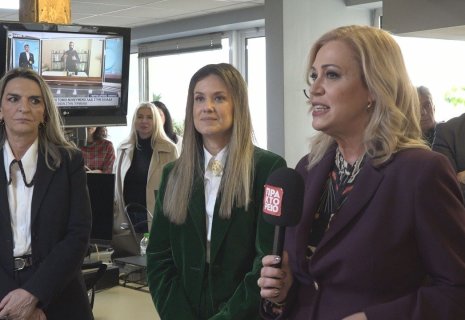
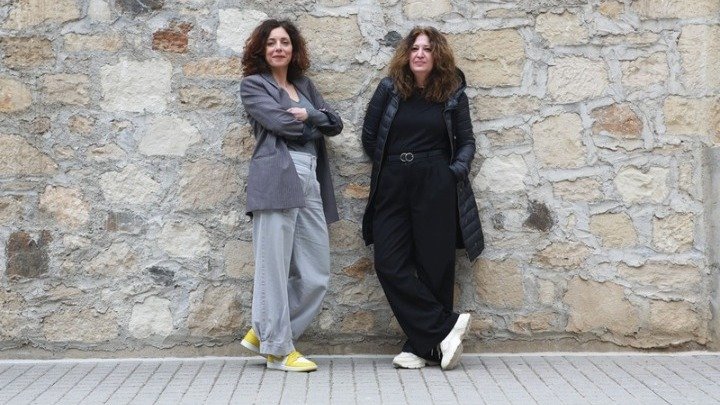
CINEphil_101 is an initiative by two women from Heraklion: Katerina Bantinaki, associate professor of Aesthetics and Philosophy of Art, head of the Department of Philosophy at the University of Crete, who serves as General Director and Scientific Curator of the festival; and Sofia Maraki, designer, co-founder of the creative studio White Cover, and president of the independent cultural organization He.Art (Heraklion Art), who is responsible for Artistic Direction and Production Organization.
The idea for the festival, they explain, came from the need to bring philosophical thought beyond the limits of academia. “The festival was born from the desire to extend philosophical dialogue into the public sphere on issues that concern all of us, not only academics—existential, social, or ethical questions. Cinema is the ideal medium for this purpose, as it is in dialogue with philosophy and also has the power to present philosophical issues with experiential immediacy,” says artistic director Sofia Maraki.
In the same direction, general director Katerina Bantinaki describes philosophical cinema as an open and multidimensional field: “Philosophical cinema is not one-dimensional. A film may address a philosophical issue, raise a question with philosophical implications, or even develop a counter-argument to a philosophical position. In each case, the film encourages us to think—or to think more deeply, from a different perspective, about shared human experiences.” She also emphasizes the importance of open discussions accompanying selected screenings, noting that “dialogue between philosophers or creators and the audience enhances and expands this process.”
Program with international reach and new sections
This year’s edition focuses on pressing social issues. “The central theme is human rights and contemporary forms of inequality, in collaboration with the Special Office for Gender Equality of the Region of Crete. In general, film selection is based not only on theme but also on cinematic language. We look for films with artistic strength and philosophical depth,” says Maraki.
This year’s guest of honor in the “Filmmakers Meet the Public” section is acclaimed filmmaker Jacqueline Lentzou, known for selections at Cannes, Berlin, and Locarno, who will discuss her debut feature Moon, 66 Questions, starring Sofia Kokkali. Two of her short films, Fox and Hector Malot: The Last Day of the Year, will also be screened.
Director of photography Olympia Mytilinaiou will take part in a discussion on Quiet Life by Alexandros Avranas, which won the Interfilm Award at the Venice Film Festival (Orizzonti), opening a broader conversation about the role of women in cinema.
The “Philosophers Meet Film” section features philosophy professor Pavlos Kontos, who will present Andrei Zvyagintsev’s The Return, winner of the Golden Lion in Venice in 2003.
The competitive section includes five feature films from Europe and beyond, selected from more than 600 submissions. Titles include The Life of Luo Sang, Maricel, The Agronomist, The End of the River, and Two Sisters.
Outside the competition, the program features the documentary Love in the Time of My Grandmother in collaboration with WIFT GR, exploring love and relationships in past generations of Greek women.
A new “Young Talents” section showcases emerging filmmakers, while “Heraklion Shorts” highlights local short film production.
In collaboration with the Hellenic Photographic Society of Heraklion, the “Philosophy Talks” section will include a lecture by Scott Walden on the ethics of portrait photography from a Kantian perspective.
A living cultural space
Maraki emphasizes the challenge of combining philosophical content with engaging cinema: “The selection of films is crucial—they must have experiential strength to emotionally engage the audience without losing intellectual depth.”
Educational programs are also a key pillar of the festival, including student competitions and workshops that use cinema as a tool for critical thinking, focusing on human rights, gender equality, and social justice.
In collaboration with Onassis Culture, students will watch Girlhood and discuss it with experts, while ANIMASYROS presents an animation program addressing war, displacement, and memory.
The CINEMATHERAPY program, supported by EKOME, uses film as a tool for psychological empowerment, and additional philosophy-based educational workshops are aimed at younger students.
The festival also hosts the second student competition “Young Cine-Philosophers,” centered this year on free will.
In conclusion, Maraki summarizes the vision of the festival: “We measure success not only in numbers, but in audience participation and the emotional and intellectual impact of the screenings. We want the festival to function as a living cultural space for the city—open, participatory, and equally committed to art and dialogue.”