Zagreb revenues up 125% after fiscal reforms, says Croatian PM
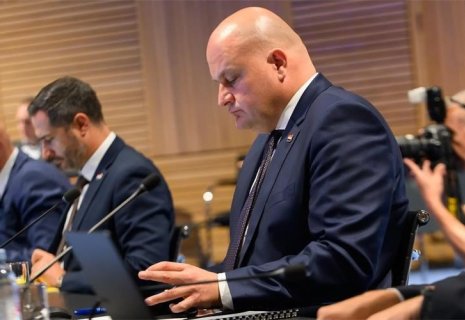
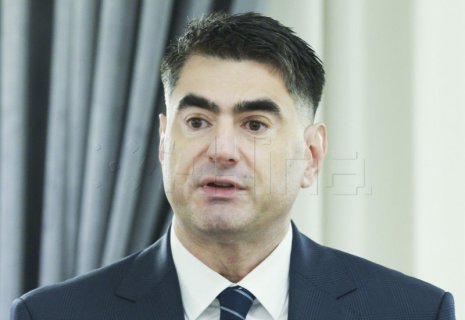
At the celebration of Zagreb City Day, Prime Minister of Croatia Andrej Plenković stated that Zagreb is a priority for the Government and emphasized that billions of euros invested in reconstruction and development have given strong momentum to its continued growth.
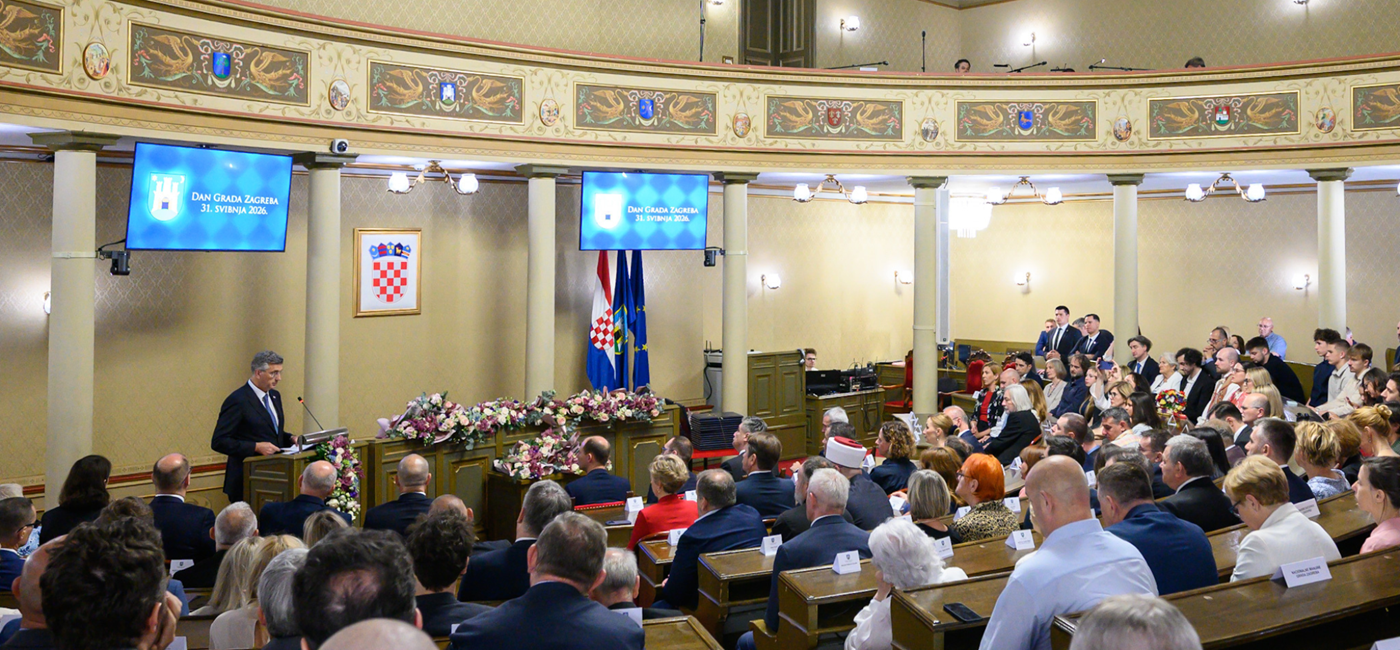
Plenković took part in the celebration of Zagreb City Day and the feast of Our Lady of the Stone Gate, the patron saint of the city, CE Report informs via the Government of the Republic of Croatia's official website.
Alongside the Prime Minister were Deputy Prime Minister and Minister of Physical Planning, Construction and State Assets Branko Bačić, Minister of Culture and Media Nina Obuljen Koržinek, Minister of Regional Development and EU Funds Nataša Mikuš Žigman, State Secretary at the Ministry of Agriculture, Forestry and Fisheries Ivan Matijević, and State Secretary at the Ministry of Science, Education and Youth Iva Ivanković.
In his speech, the Prime Minister said that Zagreb is a priority for the Government, adding that there is no area in which, over the past ten years, efforts have not been made to support its development.
In this context, he noted that the first meeting of the Urban Development Council was held a few days ago, which was institutionalized through the new Law on Regional Development, aimed at ensuring equal opportunities for all parts of Croatia.
He also highlighted that fiscal decentralization has led to a 125% increase in Zagreb’s revenues.
Zagreb in a completely different position compared to other parts of Croatia
He pointed out that Zagreb, as the most developed part of Croatia, the largest urban centre, the engine of the Croatian economy, and the seat of political institutions and major companies, is above the national average.
“For this reason, Zagreb is also above the average of the Republic of Croatia,” he added, stressing that such a strong Zagreb has become even stronger in recent years.
According to the Prime Minister, key contributions came from amendments to the Law on Financing Local and Regional Self-Government, which enabled significantly higher revenues for counties, cities, and municipalities.
Compared to 2017, when Zagreb’s revenues amounted to €600 million, today the city has revenues of €1.35 billion, representing a 125% increase over nine years.
Nearly €3 billion invested in Zagreb reconstruction after earthquake
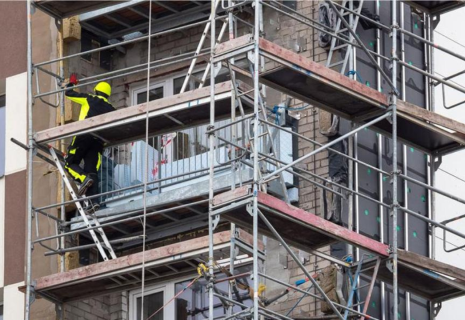
Additional momentum has come from funds invested in reconstruction following the earthquake that struck Zagreb in March 2020, as well as the one that hit Petrinja later the same year, which also caused secondary damage in Zagreb.
“The funds mobilised for the reconstruction of Zagreb are something we could neither have predicted nor planned for. We have now reached around €2.9 billion in investments in the reconstruction of buildings, infrastructure, education, healthcare, and everything else that was significantly damaged by the earthquake,” Plenković said.
To illustrate the scale of investment, he mentioned several projects in Zagreb’s Upper Town.
€23 million was allocated for the renovation of the Upper Town Gymnasium, €12 million for Tituš Brezovački Gymnasium, €6 million for St. Mark’s Church, €52 million for the Croatian History Museum, €14 million for the Faculty of Law building, and €9 million for the renovation of the funicular.
He also noted that €800 million has been invested in the reconstruction of healthcare infrastructure in Zagreb over the past few years.
Photo: Government of the Republic of Croatia