“Cashless Albania 2030” to lead regional cashless payments
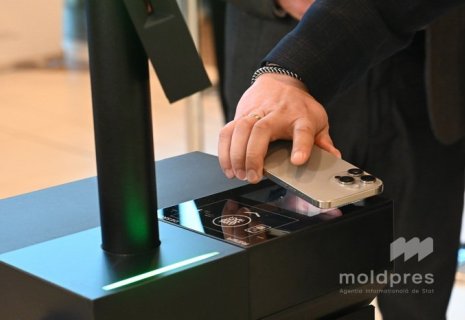
The “Cashless Albania 2030” initiative places Albania among the front-runners in adopting cashless payment solutions.
The Minister of Economy and Innovation, Delina Ibrahimaj, announced that the country’s economic and digital transformation, set to begin in early 2026, will be based on three main pillars: increasing the use of electronic payments, gradually reducing cash transactions, and modernizing financial infrastructure to promote a more formal, transparent, and competitive economy.
The model Albania aims to adopt is similar to the practices of the world’s most advanced countries in this field, CE Report quotes ATA.
Sweden is considered the leading example of a cashless economy, with only 1% of transactions carried out using physical cash. Norway is another European country where cash usage is at very low levels, and banks have significantly reduced cash-handling services.
In Asia, Singapore is among the most successful models, with a well-established instant payment ecosystem and widespread use of a unified national QR code.
Meanwhile, in Europe, the Netherlands and Denmark have standardized digital payments, making them the dominant method for everyday transactions.
According to Minister Ibrahimaj, “Cashless Albania 2030” will put Albania on a par with these countries, through policies aimed at facilitating financial services, enhancing security, and combating the informal economy.