EU official explains key changes to Package Travel Directive - EXCLUSIVE
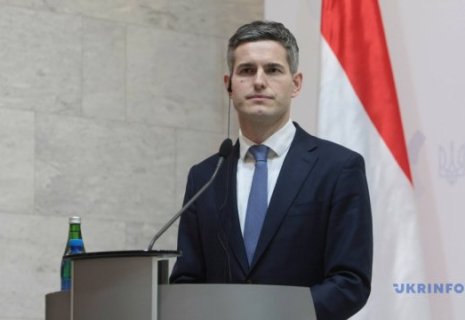
CE Report presents an exclusive email interview with Ferran Tarradellas Espuny, Press Officer for Competitiveness Councils at the Council of the European Union. In this interview, he provides insights into the recently agreed updates to the EU Package Travel Directive, clarifying the definitions of ‘package travel’ and linked travel arrangements, the new transparency obligations for traders, and the practical implications for travellers and travel operators across member states.
Could you provide clarification on the updated definition of ‘package travel’ and how it differs from linked travel arrangements?
The new rules agreed yesterday clarify the definition of ‘package travel' also by including, at certain conditions, the so-called consecutive bookings or click through booking (multiple reservations at the same company within a certain time frame) but excludes linked travel arrangements (when the traveller is invited by the trader to book other services on a different website or at a different travel agency). The text also improves the transparency obligations: when the trader invites the traveller to book additional services that would not form a package has to inform the traveller. The details of these transparency obligations will still be worked out at the technical level in the coming days.
How will the new information requirements for travellers be implemented in practice, especially regarding accessibility, payment methods, and force majeure situations?
To ensure transparency, the Directive obliges traders to inform travellers about the nature of the travel product offered to them, as well as their associated rights, already in the pre-contractual phase through standard information forms contained in the Annex to the Directive. The organiser must include the standard information form in the contract so that it is available to travellers after the conclusion of the contract. This form must specify, among other things, the trader responsible for performance of the package and for refunds for cancelled packages. It also informs on payments, changes to the contract, the traveller’s right to terminate a package travel contract without a fee due to unavoidable and extraordinary circumstances (or force majeur), the possibility of cancelling a package subject to a cancellation fee, and insolvency protection rules and processes.
What mechanisms will be put in place to ensure timely refunds or voucher issuance in cases of organiser cancellation or insolvency?
When organizers cancel a package, they must refund the traveller within 14 days. Operators may offer travellers vouchers instead of reimbursement, but travellers have the right to refuse them. Vouchers must have a value at least equal to that of the reimbursement, be valid for a maximum of 12 months and be transferable only once. Travellers must also be able to use them to purchase one or more travel services offered by the trader. The value of vouchers will be covered by insolvency protection. If the reason for the cancellation is the trader's insolvency, travellers should be refunded within six months. Member states may set shorter deadlines. The refund period could be enlarged to nine months in duly justified situations (for instance, an unusually high number of applications in a short time, or when the insolvency impacts passengers from different member states).
How will member states monitor and enforce compliance with the updated rules, particularly regarding complaint-handling arrangements and insolvency protection?
The enforcement of the directive is a competence of member states and they should take the measures they consider necessary to ensure compliance.
Are there plans for public communication or guidance for both travellers and travel operators to facilitate the transposition of the directive over the next 28 months?
To my knowledge, there is no communication campaign foreseen at this point in time.
This interview was prepared by Julian Müller