Expert warns of biometric data risks in viral AI photo trends
Prof. Dr. Ali Murat Kırık, a faculty member at Marmara University’s Faculty of Communication, said that photo trends centered on nostalgia and aging can be used to collect users’ biometric data and train artificial intelligence systems.
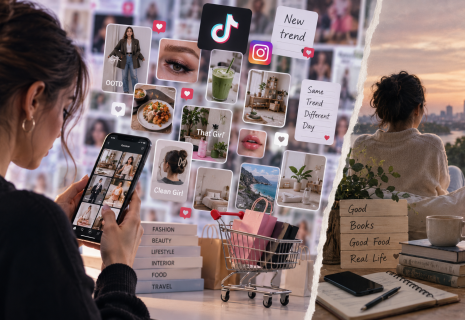
Speaking to Anadolu Agency, Kırık said that photo-sharing trends popular on social networks, such as “the ’80s,” “baby,” “action figure” or “you add yourself,” may appear to be harmless entertainment, but in the background they involve extensive data mining and behavioral analysis.
Kırık noted that these trends spread rapidly because they produce personalized, nostalgic and emotional results. He said that in order to generate these results, artificial intelligence analyzes users’ close-up facial photographs in detail, CE Report quotes Anadolu Agency.
Kırık emphasized that applications process sensitive biometric data such as the position of the eyes, the distance between the nose and mouth, and distinctive facial features.
“These will bring very serious biometric data risks in the years ahead. Countries now need data to maintain control over digital intelligence. We participate in these seemingly entertaining and harmless systems under the guise of trends, and unfortunately, we do not know what kind of process we may face in the future,” he said.
Explaining that personal data such as phone numbers, email addresses and home addresses can be changed, while a person’s face is essentially unchangeable, Prof. Dr. Kırık stressed that facial data constitutes a much more specific and sensitive form of biometric information.
Kırık said data is also needed to train AI systems and develop models, as artificial intelligence has become a highly strategic tool in areas ranging from defense and intelligence to cybersecurity and military decision-making.
“Fake audio and video can be produced very quickly. Our biggest mistake is to say, ‘Our data and photos are already everywhere,’ and therefore upload our biometric data openly and without hesitation to such applications. However, every system is unique. The fact that your photo exists on one social media platform does not mean that another AI company can immediately obtain and use it automatically,” he said.
Not just a threat to celebrities
Kırık noted that smart locks, mobile devices and home security systems operate on the basis of biometric authentication, and warned that security systems could be bypassed if facial and voice data were compromised.
He said that while the voices and images of celebrities, artists and politicians can be processed, the data of ordinary citizens can also be collected and used.
“Trends go viral on social media from time to time, and this results in data being collected. When biometric data, in particular, falls into the hands of such companies, we are talking about technology that is now even being used in the defense industry. This could lead to much more serious problems in the years ahead. Remember, you are giving your consent to this yourself,” Kırık said.
Kırık stressed that users should follow digital hygiene practices and improve their levels of digital literacy. He offered the following advice on legal and practical measures:
“When installing applications on a device, users should always read the user agreements and privacy policies. In the data-control sections of social networks and AI tools, options that prevent audio and images from being used for model training should be disabled. When uploading photographs, users should not grant blanket access to their photo gallery and microphone. Users have legal rights under Personal Data Protection Law No. 6698 and Law No. 7253. In cases of violations or harm, users should contact the platform to request the removal of the content and, after taking screenshots, file a criminal complaint with the public prosecutor’s office and law enforcement authorities.”
Kırık also emphasized the importance of expanding the use of domestic software in order to preserve technological independence. He said that organizations controlling data will have a major say in the digital world of the future.
Photo: Chat GPT