Bulgarian children go online at younger ages
Nearly 80% of the students in Bulgaria are active online before turning 10 years old and more than half of them have a screen time of over 4 hours a day. This data was presented by the study author David Kyuranov of the Parents Association at the “Growing Up Online” round table organised by UNICEF Bulgaria.
“Growing Up Online: Children, the Digital Environment and Safety” is a study involving children, parents and professionals from Bulgaria’s education system, carried out jointly by the Bulgarian Safer Internet Centre, Parents Association and UNICEF, CE Report quotes BTA.
The study covered three main groups: lower secondary through upper secondary students (389), parents (355), and teachers or educational specialists (83). The data has been collected between November 2025 and January 2026 from 10 focus groups through interviews.
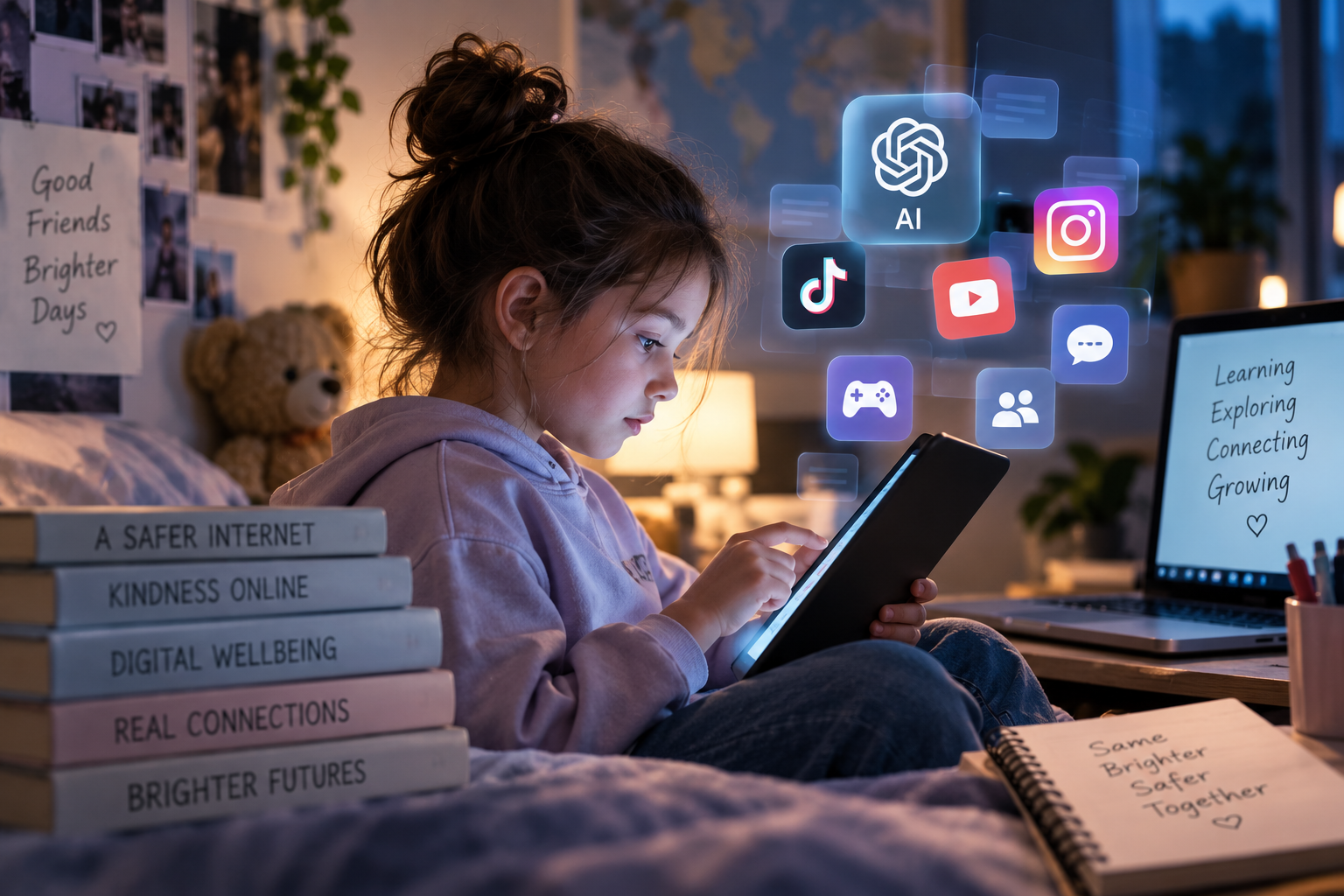
The study shows that practically everyone has access to the digital space and there is no distinction between the online and offline environments. The online environment is part of children’s everyday social lives, as a typical day includes chatting with friends for 80% of students, using social media for 79%, and using artificial intelligence (AI) for 53%.
Particularly concerning are the findings from the national study showing that children find it difficult to talk about troubling experiences online. When they encounter shocking content, 41% of students say they would not tell anyone. If they decide to share, however, they would do it with a friend, said Kyuranov. More than one in five students report having experienced online bullying, most often from peers and classmates. In these cases, 44% of children tell a parent or another adult, but only 11% seek support from a teacher or school professional.
Each focus group has a different view, noted Kyuranov. According to the children, the online communication allows them to stay connected with their friends, share their interests and find information, whereas according to the parents, it deprives them of sleep, concentration, time, and face to face communication. Both groups also see risks – the students see the risk in the lack of control on their digital identity and the parents find communicating with strangers risky.
Around 86% of the students use AI, as the most common one is ChatGPT. They use it for personal interests and some of them even have conversations with it, said Kyuranov. According to the teachers, 91% of the students use AI for their schoolwork but only 18% admit doing so.
18% of the students fact-check the information they receive from ChatGPT and 11% ask about the source of it. Kyuranov added that 23% of the children never tried to check if the information is correct.
Kyuranov noted that their task is not to remove children from the digital world, but to ensure that they gain knowledge, boundaries and adults they can rely on within it.
Photo: Chat GPT