SpaceX reusability sparks new era in global space competition
Reusable rockets are becoming one of the main focuses of the global space race, as they reduce launch costs, minimize rocket debris and make more frequent launches possible.
As the number and complexity of space missions continue to grow, the need for more rocket launches is inevitable. High costs, slow production rates, limited launch capacity for multiple satellite missions, environmental concerns caused by rocket debris and restricted access to space have long been among the main drawbacks of traditional expendable rockets, CE Report quotes Anadolu Agency.
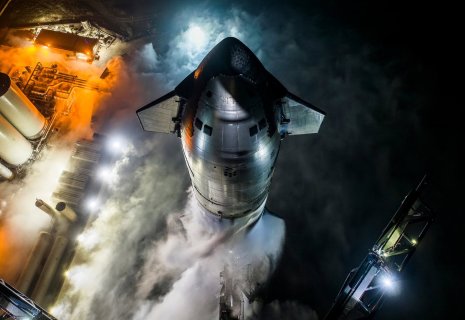
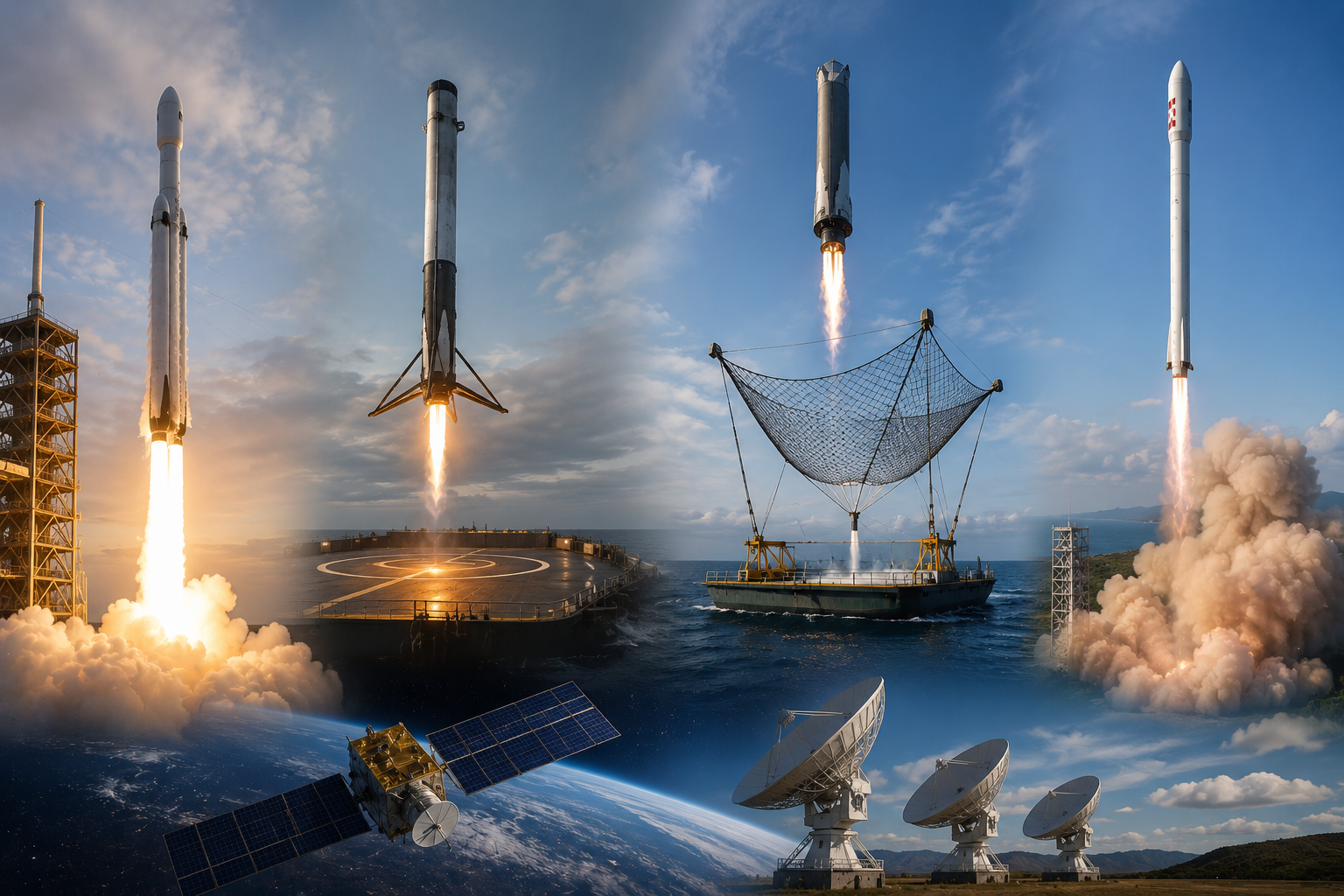
A major breakthrough came with SpaceX's Falcon 9, whose first-stage booster can return to Earth in a controlled landing and be reused. The first successful vertical landing in 2015 marked a turning point in space transportation, fundamentally changing an economic model that had remained largely unchanged for decades.
By flying the same booster multiple times, SpaceX has spread manufacturing costs across numerous launches, significantly reducing launch prices for both commercial satellite operators and government agencies.
Lower costs drive more launches
A traditional expendable rocket launch can cost as much as $160 million, while a Falcon 9 mission costs approximately $67 million thanks to its reusable first stage.
The cost of placing payloads into orbit fell from around $10,000 per kilogram between 1981 and 2011 to roughly $2,500 per kilogram with Falcon 9. According to NASA, reusable Falcon 9 rockets have saved more than $500 million on Crew Dragon missions alone.
The lower costs have fueled rapid growth in both launch activity and satellite deployments.
According to data compiled by Anadolu from the Satellite Industry Association (SIA) 2025 report, 325 launches were conducted worldwide in 2025, including 296 commercial missions, placing 4,434 satellites into orbit.
The number of satellites launched increased by 65 percent compared with the previous year, while the number of active satellites in orbit reached 14,266.
The ability to refurbish Falcon 9's first stage in approximately 21 days has also increased launch frequency. SpaceX's share of global launches rose from 22 percent in 2020 to 50 percent by the end of 2025.
China seeks to regain launch leadership
China led the global launch market in 2020 with 39 launches, compared with 37 by the United States.
However, in 2022, the U.S. overtook China thanks largely to SpaceX's reusable rocket technology. Of the 186 launches conducted that year, China carried out 64, while the United States completed 78.
The U.S. accounted for 42 percent of global launches in 2022 compared with China's 34 percent. By 2025, the U.S. share had increased to 55 percent, while China's had fallen to 28 percent.
To narrow the gap, China has accelerated investment in reusable rocket technology. Private companies began vertical landing tests in 2016, but only achieved limited success for several years.
A major milestone came on July 10, when the Long March 10B rocket completed China's first successful controlled booster recovery.
Developed by the China Aerospace Science and Technology Corporation (CASC), the rocket was launched from the Wenchang Space Launch Site in Hainan Province.
Unlike Falcon 9, which lands on deployable landing legs, the Long March 10B returned vertically and was captured by a cable-and-net recovery system installed on a floating platform in the South China Sea.
This approach eliminates the need for heavy landing legs, reducing the rocket's weight, improving fuel efficiency and allowing it to carry a larger payload.
More countries enter the race
Alongside the United States and China, several other countries are advancing reusable launch technologies.
India plans to conduct its first vertical landing tests under the ADMIRE program in 2027.
The European Space Agency (ESA) also plans to carry out the first vertical takeoff and landing test of its THEMIS reusable rocket demonstrator later this year.
Meanwhile, CALLISTO, a reusable technology demonstrator jointly developed by Japan, France and Germany, is scheduled to make its first flight from French Guiana in 2026.
Photo: Chat GPT