Europe’s challenge of maintaining Russia sanctions - OPINION
By Aytan Aliyeva
The Trump administration's willingness to ease sanctions against Russia has raised questions about the future of Western economic pressure on Moscow and Europe's ability to maintain its policy without the support of the United States. While Washington is considering relaxing restrictions on Russian energy exports and pursuing negotiations with Moscow, European governments insist that sanctions should remain in place as long as Russia continues its war against Ukraine. The disagreement exposes differences in how the United States and Europe approach relations with Russia and raises the question of whether the European Union has the political and economic means to pursue its own course.
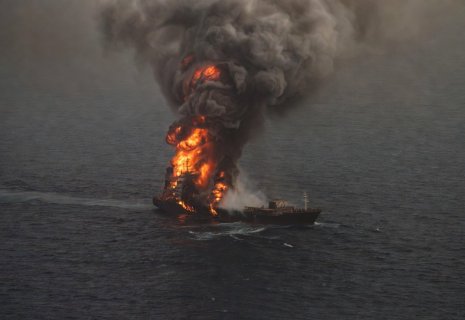
In October, the Trump administration took steps to ease restrictions affecting Russian energy exports. On October 9, Trump announced an agreement involving Russian diesel supplies aimed at reducing pressure on global energy markets. The US Treasury subsequently authorized temporary sanctions relief for Russian diesel deliveries until April 2027. Washington has also considered easing restrictions on certain vessels associated with Russia's shadow fleet, which is used to transport oil and petroleum products despite Western sanctions. The administration has presented these measures as a way to address energy prices and create conditions for negotiations with Moscow.
For Russia, easing American sanctions could facilitate energy exports, reduce transaction costs and improve access to international markets. It could also weaken the impact of restrictions imposed by other Western countries. American sanctions carry particular weight because of the role of the dollar in international trade and the influence of US financial institutions. Even companies operating outside the United States often comply with American restrictions to avoid losing access to its financial system. If Washington reduces enforcement or removes certain restrictions, some of these companies may become more willing to engage with Russian businesses.
European governments have so far rejected the idea of following Washington's approach. European Commission President Ursula von der Leyen and European Council President António Costa stated on October 16 that the EU would not lift sanctions while Russia continues its war against Ukraine. Brussels has also continued preparing additional restrictions. On October 12, the EU adopted measures targeting individuals and companies connected to Russia's military-industrial sector, including suppliers of electronics, technology and components used in weapons production.
The European Union has its own legal framework for imposing sanctions and does not need American approval to maintain them. It can restrict imports and exports, freeze assets, limit financial transactions and prohibit European companies from providing certain services to Russian businesses. Given the size of the European market and its role in international trade, these measures can continue to impose costs on Russia even if the United States changes its policy.
However, maintaining sanctions and ensuring their effectiveness are two different matters. Russia has adapted to restrictions by redirecting trade toward countries that have not joined Western sanctions. China, India and other markets have become important destinations for Russian energy exports, while intermediary companies have helped Russian businesses obtain goods that are difficult to purchase directly from Western suppliers. European authorities can tighten controls on these channels, but their ability to influence companies and financial institutions outside EU jurisdiction is limited.
Cooperation with Washington has made it easier to identify and restrict sanctions evasion. American financial sanctions can affect transactions conducted through banks and intermediaries far beyond US territory. If the United States begins allowing activities that Europe continues to prohibit, companies may seek ways to conduct business with Russia through jurisdictions where American restrictions no longer apply. The EU could respond with stricter enforcement and additional measures against intermediaries, but doing so would require resources and cooperation with other countries.
Europe also retains leverage through Russian sovereign assets frozen after the invasion of Ukraine. Around €260 billion in Russian central bank assets were immobilized across Western jurisdictions, with most held in Europe (European External Action Service, 09.02.2026). These assets have become part of discussions about financing Ukraine and the conditions under which restrictions on Russia could eventually be lifted. The Trump administration's consideration of sanctions relief has raised questions about whether Washington might seek to include frozen assets in negotiations with Moscow.
European governments have emphasized that decisions concerning Russian assets held within their jurisdictions cannot be made by Washington alone. Germany, among other countries, has opposed arrangements that would allow the United States to determine how these funds are used (Reuters 14.10.2026). At the same time, European governments remain divided over the legal and financial implications of confiscating the assets themselves, rather than using the income generated by them. This limits how far the EU can go without reaching further agreements among its members.
The larger problem for Europe may be maintaining agreement among its 27 member states. EU sanctions generally require unanimous approval, including for their renewal. This gives individual governments the ability to delay or block decisions. Although most member states support continuing restrictions against Russia, their economic interests and approaches to relations with Moscow differ.
Countries such as Poland and the Baltic states have consistently advocated maintaining pressure on Russia and strengthening support for Ukraine (Polish Ministry of Foreign Affairs & The Guardian). Other governments have expressed concerns about the economic consequences of sanctions or questioned whether additional restrictions would help bring the war to an end. Hungary has repeatedly opposed elements of the EU's Russia policy, particularly measures affecting energy supplies. These differences have already complicated negotiations over sanctions packages and financial assistance to Ukraine.
A change in American policy could make these disagreements harder to manage. Governments facing domestic pressure over energy prices, industrial competitiveness or public spending may question why European companies should remain subject to restrictions that their American competitors no longer face. Russia could also seek to encourage such divisions by offering commercial opportunities or energy arrangements to countries willing to reconsider their position.
This does not mean that European sanctions would collapse if Washington withdrew its support. The EU has maintained restrictions against Russia since 2014 and expanded them after the full-scale invasion in 2022. European institutions have developed procedures for identifying sanctioned entities, monitoring trade and coordinating enforcement. The bloc has also reduced its dependence on Russian energy, although the transition has involved costs and remains incomplete in some sectors.
The question is whether European governments would be prepared to bear those costs over an extended period if the United States adopted a more accommodating approach toward Moscow. Sanctions affect European businesses as well as Russian ones, particularly in sectors that previously depended on trade with Russia. If American companies regain access to parts of the Russian market while European firms remain restricted, pressure from business groups and affected industries could increase.
Europe would also need to consider the relationship between sanctions and military assistance to Ukraine. Economic restrictions are intended partly to constrain Russia's ability to finance and sustain the war. Their effect, however, depends on the broader military and political situation. If Washington reduces both sanctions pressure and military assistance to Kyiv, European governments may have to provide more support while maintaining their own restrictions.
European countries have increased defense spending and expanded assistance to Ukraine, but they still depend on the United States for certain weapons systems, intelligence capabilities and military logistics. Replacing American support in these areas would require additional investment, greater coordination and time. Europe may therefore be able to sustain its sanctions policy independently while finding it more difficult to preserve the broader pressure on Russia that previously depended on cooperation with Washington.
Another issue is Europe's role in negotiations over the war. If the Trump administration offers sanctions relief as part of a potential agreement with Moscow, European governments could find themselves under pressure to accept arrangements they did not help negotiate. Russia may seek the removal of European sanctions as part of any settlement, but Washington cannot lift restrictions imposed under EU law. This gives European governments a role in determining the terms of sanctions relief, even if the United States takes the lead in diplomatic talks.
That position would be stronger if EU member states agreed in advance on the conditions under which sanctions could be reduced or removed. These could include a verified ceasefire, the withdrawal of Russian forces, security arrangements for Ukraine and mechanisms to ensure compliance with any agreement. Without a common position, individual governments could face pressure to accept concessions in exchange for economic or political benefits.
The disagreement with Washington also raises questions about Europe's longer-term dependence on American leadership. For decades, European governments have relied on the United States not only for military security but also for coordinating responses to international crises. The sanctions imposed after Russia's invasion of Ukraine were more effective because the United States, the European Union, the United Kingdom and other partners acted together. If that coordination weakens, Europe will need to rely more heavily on its own institutions and partnerships with countries willing to maintain restrictions.
The United Kingdom could remain an important partner in this effort. Although it is no longer an EU member, London has maintained sanctions against Russia and plays a role in international finance, insurance and maritime services. Cooperation with Canada, Japan and other countries could also help Europe restrict access to technology, financial services and shipping networks. Such partnerships would not fully replace the reach of American sanctions, but they could reduce the effects of a US policy shift.
For Moscow, the difference between American and European approaches could create opportunities to negotiate separately with Washington and Brussels. Russia has long sought the removal of Western sanctions and could benefit from any weakening of coordination among the countries imposing them. At the same time, continued European restrictions would still limit access to parts of the international financial system, industrial technology and European markets.
The coming months will test whether European governments can maintain agreement on sanctions while responding to American policy changes. Much will depend on the decisions of individual EU member states, the economic costs of continued restrictions and the course of negotiations over Ukraine. Europe has the legal authority and economic capacity to keep sanctions in place without Washington, but preserving their effectiveness will require consistent enforcement, cooperation with other partners and agreement among member states on what the restrictions are intended to achieve.
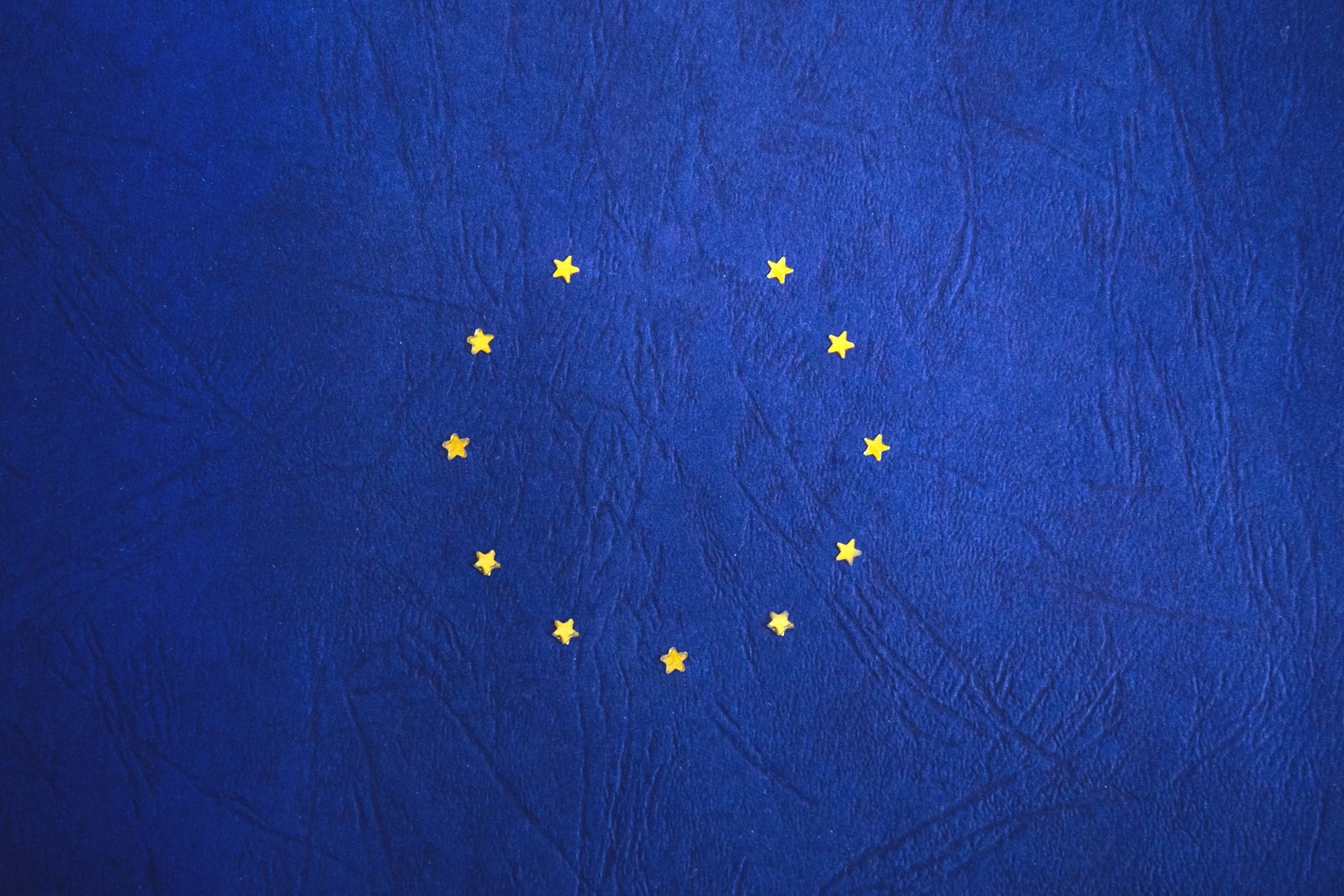
Photo: Pexels (Free Stock Photos)