Croatia's Split hosts MED9 summit
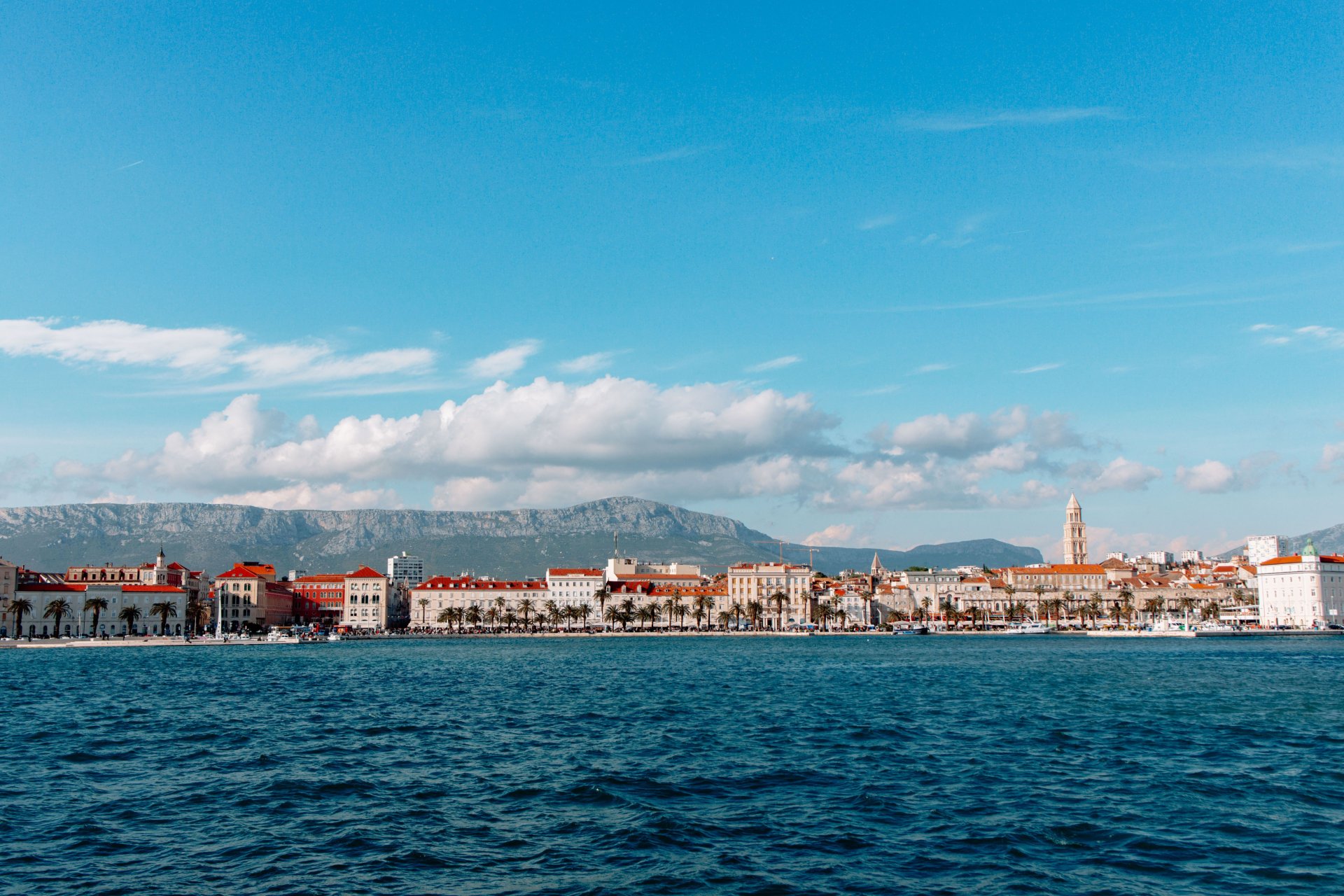
Croatia's Split will host the EU MED9 summit on Tuesday and Wednesday, a gathering aimed at “uniting Mediterranean ranks” ahead of key negotiations on the EU budget.
MED9 is an informal group bringing together nine southern EU member states — Croatia, Slovenia, Italy, France, Spain, Malta, Cyprus, Greece and Portugal, CE Report quotes HINA.
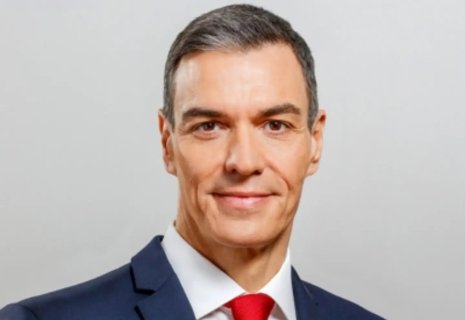
Croatia holds the presidency of the format this year, and all top leaders have confirmed their attendance in Split, including French President Emmanuel Macron, Italian Prime Minister Giorgia Meloni and Spanish Prime Minister Pedro Sanchez.
Also arriving in Croatia’s second-largest city will be European Commission President Ursula von der Leyen, European Council President António Costa, Monaco’s Prince Albert II, who has been invited because of his expertise in environmental issues, particularly marine conservation, and Jordan’s Crown Prince Al Hussein bin Abdullah.
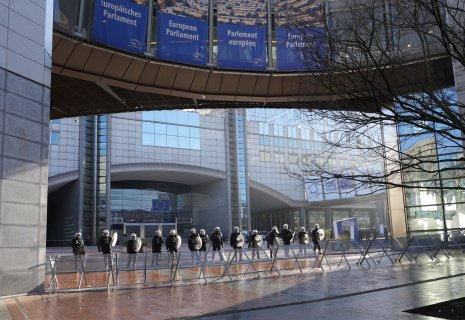
Some of the leaders will arrive in Split on Tuesday, meaning heightened security measures will already be in place across the city.
It is the largest regional format within the EU, bringing together one-third of the bloc’s member states, which account for 40 percent of its territory, 41 percent of its GDP and 45 percent of its population.
The summit will be the highlight of Croatia’s presidency, during which three meetings at foreign minister level and five sectoral ministerial meetings have been held.
One of the main goals of the summit is to coordinate the positions of Mediterranean countries at the European level ahead of the European Council meeting scheduled for the following week. The Croatian government has stressed that the MED9 summit was deliberately scheduled close to the meeting of EU leaders in Brussels.
North and South
EU member states are currently negotiating a new Multiannual Financial Framework (MFF), the bloc’s budget for the 2028–2034 period.
The aim is to reach an agreement on the key document by the end of this year so that the budget can be operational from the beginning of 2028. Another consideration is that voters in France, Spain and Italy — three major European countries whose leaders will be in Split — will go to the polls in 2027.
However, representatives of the predominantly northern “Frugal Six” — the Netherlands, Austria, Denmark, Finland, Sweden and Germany — will not be in Split. These countries are net contributors to the EU budget and therefore want a less costly budget.
Their leaders said in August that the European Commission’s proposed budget must be reduced by several hundred billion euros. The leaders of the southern countries attending the Split summit, by contrast, want a more ambitious budget that preserves key spending areas from previous frameworks, particularly agricultural and cohesion policies.
Photo: Pexels (Free Stock Photos)