EU links funding to reforms under Western Balkans Growth Plan - EXCLUSIVE
Once a partner achieves a reform step and receives payment, the Commission continues monitoring whether the reform remains in force and operational. If a reform is later weakened, cancelled, or no longer effectively implemented, this may be considered a reversal of the agreed commitment.
This was said by the source in the European Commission in an exclusive interview with CE Report, regarding Albania, Montenegro, and North Macedonia receiving the latest funding tranche under the Reform and Growth Facility.
The Commission assesses reversals through:
- ongoing dialogue with partners,
- periodic reporting requirements,
- analysis of legislative and policy developments,
- audits and verification mechanisms
If the Commission determines that a reform has been reversed, it will request corrective measures from the beneficiaries before additional funds are released or before the released funds are recovered.
In addition to the implementation of the Economic Investment Plan, WBIF is also the main tool for channelling additional €3 billion from the Reform and Growth Facility (RGF) for key investments in transport, energy, digital and human capital development.
Following the approvals by the WBIF Operational Board, we have 13 investment projects totalling EUR 156 million euros approved for Albania, Montenegro, North Macedonia in all key sectors, namely clean energy, sustainable transport, environment, digital, social and private sector development.
To increase the volume of projects funded through the RGF, beneficiaries need to step up the implementation of reforms.
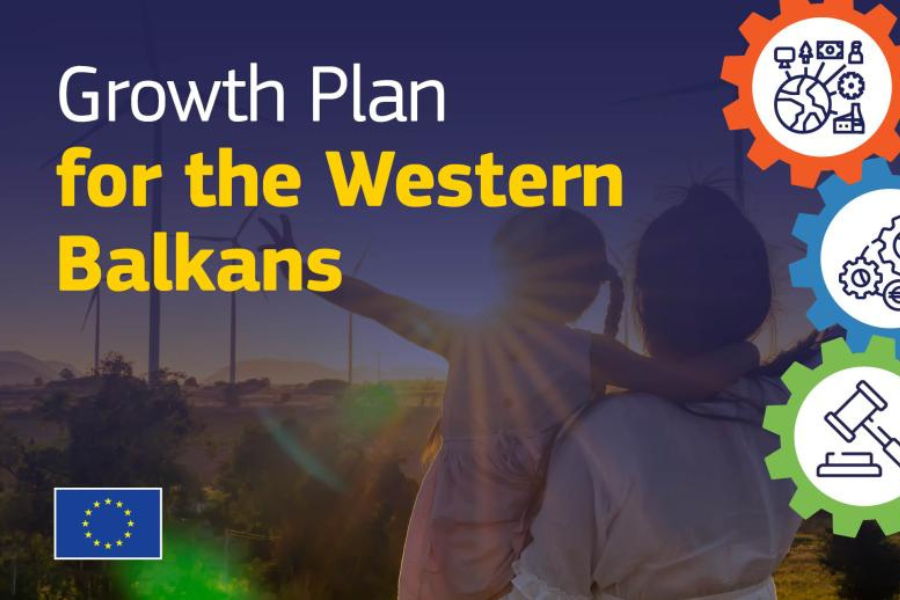
The Reform and Growth Facility is a central part of the Growth Plan for the Western Balkans. It links EU financial support directly to reforms that are essential for EU membership, including rule of law, public administration, public procurement, the business environment and the fight against corruption. By delivering some of the benefits of EU integration already before accession, it creates additional incentives for partners to advance on their EU path and align more rapidly with the EU acquis.
At the same time, the Plan promotes gradual integration into key areas of the EU Single Market, including free movement of goods and services, transport, energy, digital markets and SEPA, based on partners’ reform progress.
The next phases of the Facility will continue to be based on the Reform Agendas already approved by the Commission. The RGF Regulation establishes a precise and clear timeframe for beneficiaries to implement the agreed steps and reforms.
Photo: European Commission
This interview was prepared by Julian Müller