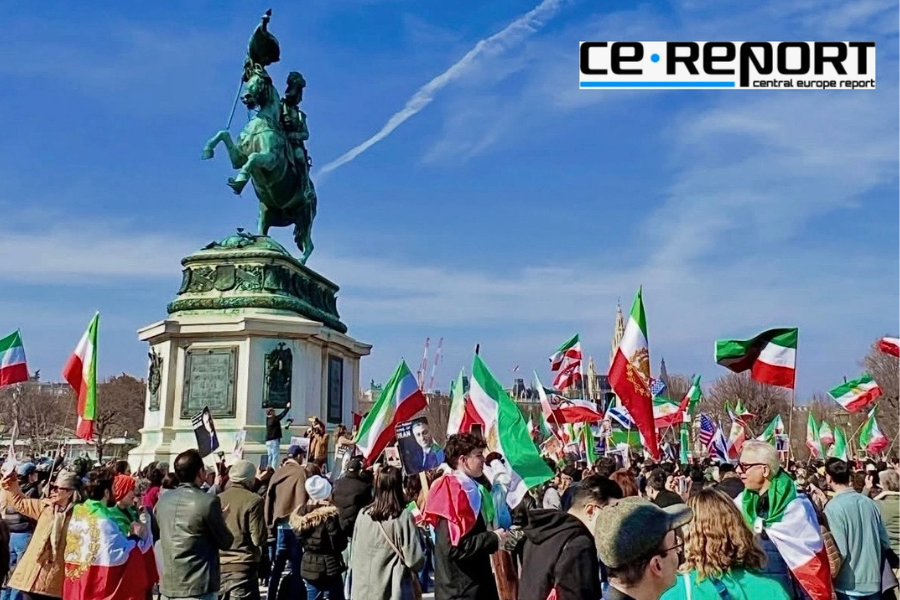
Vienna Demonstration reflects global shockwaves after Iran war escalation
Vienna, Austria - March 1, 2026
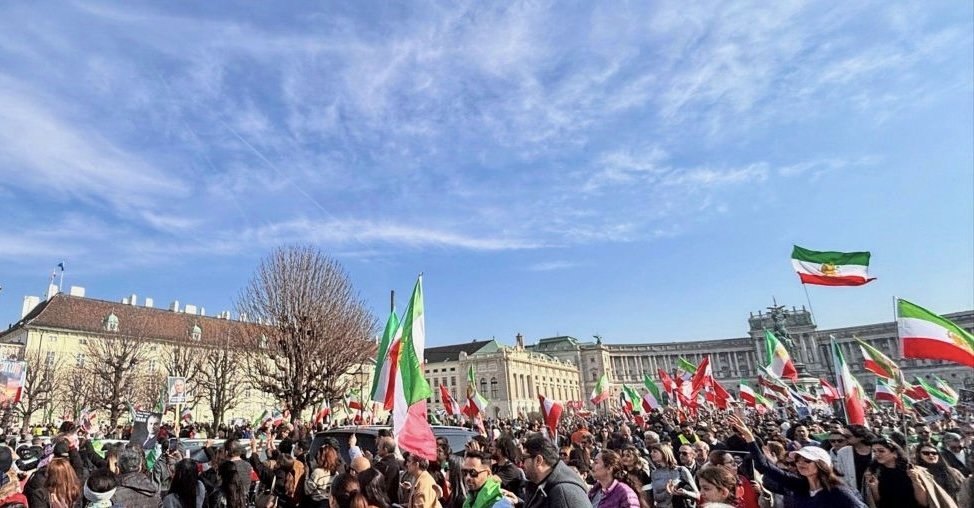
Hundreds to more than a thousand demonstrators gathered in central Vienna on Sunday, responding to the escalation in the Middle East following joint US - Israeli military strikes on Iran. The attacks reportedly killed Iran’s Supreme Leader, Ali Khamenei, and triggered retaliatory missile operations by Tehran across the region, CE Report correspondent Aytan Aliyeva reports from Vienna.
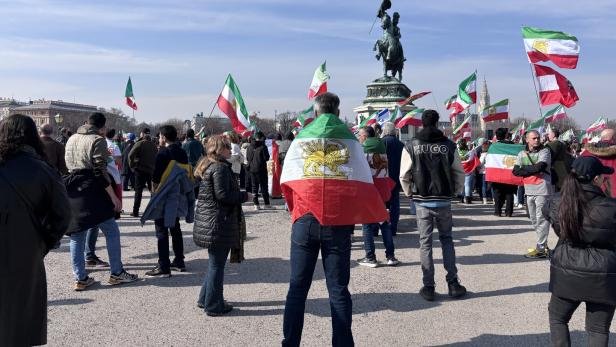
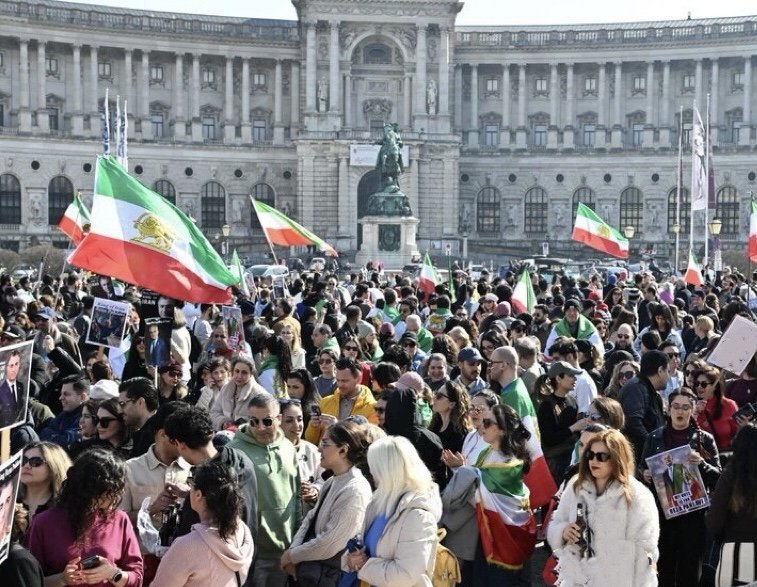
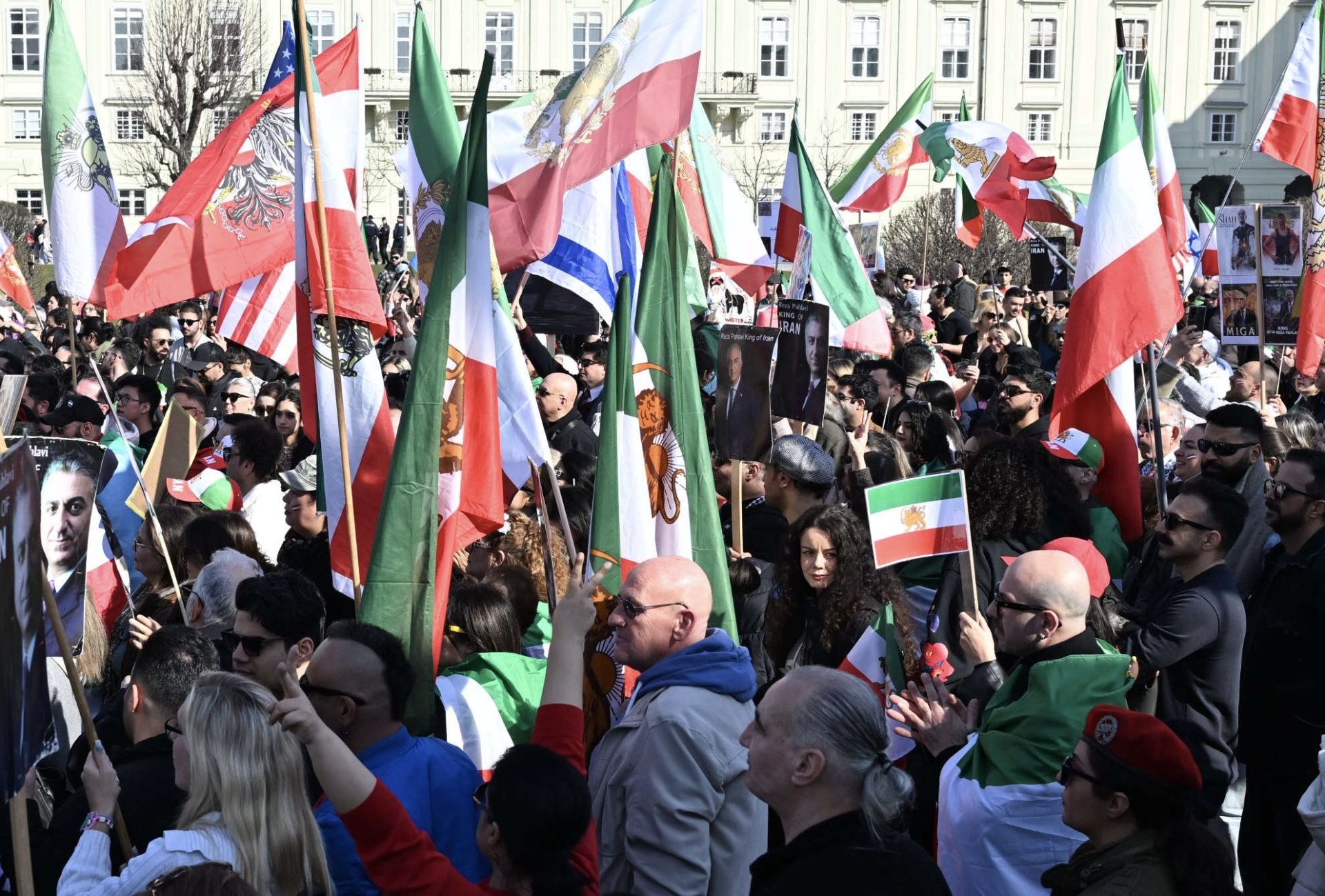
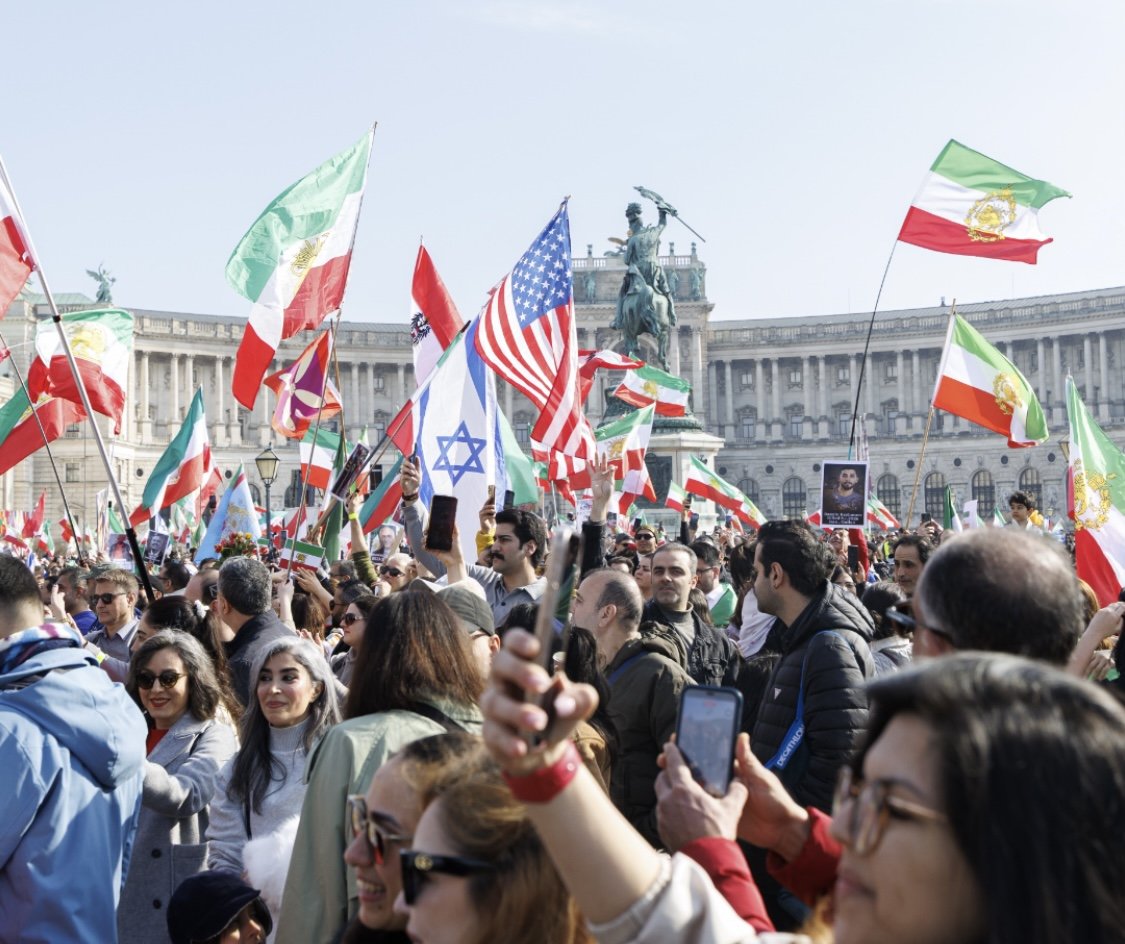
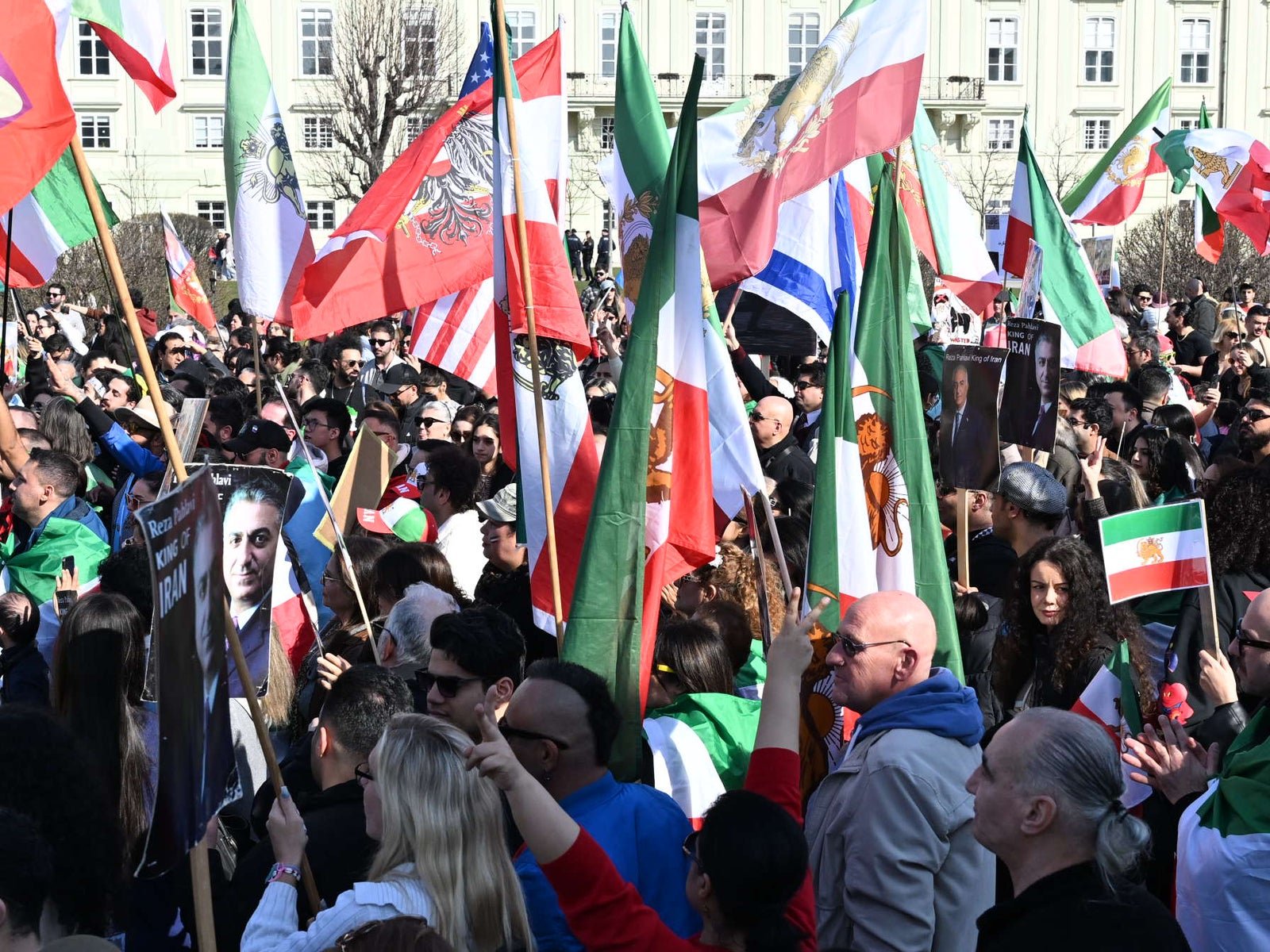
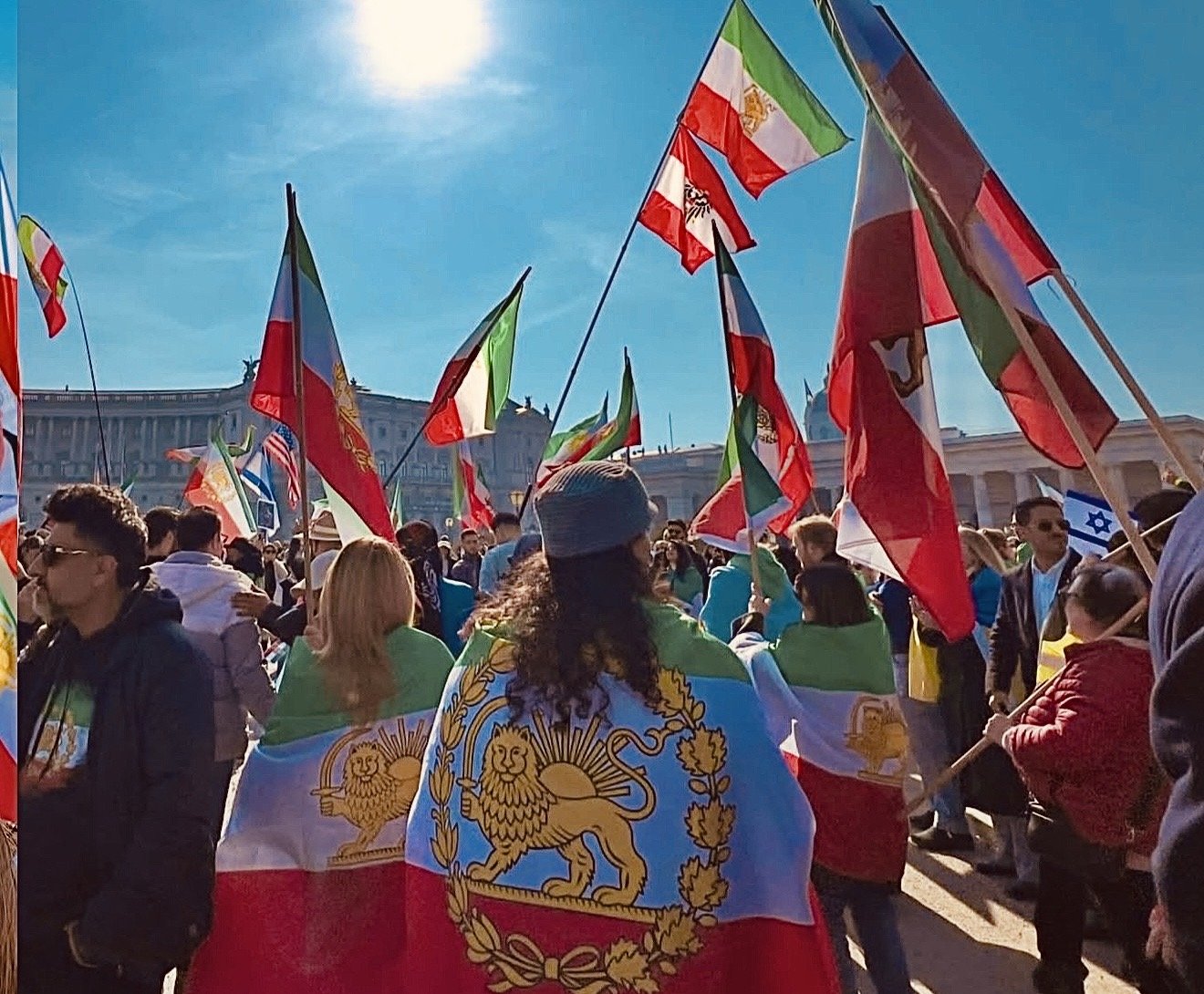
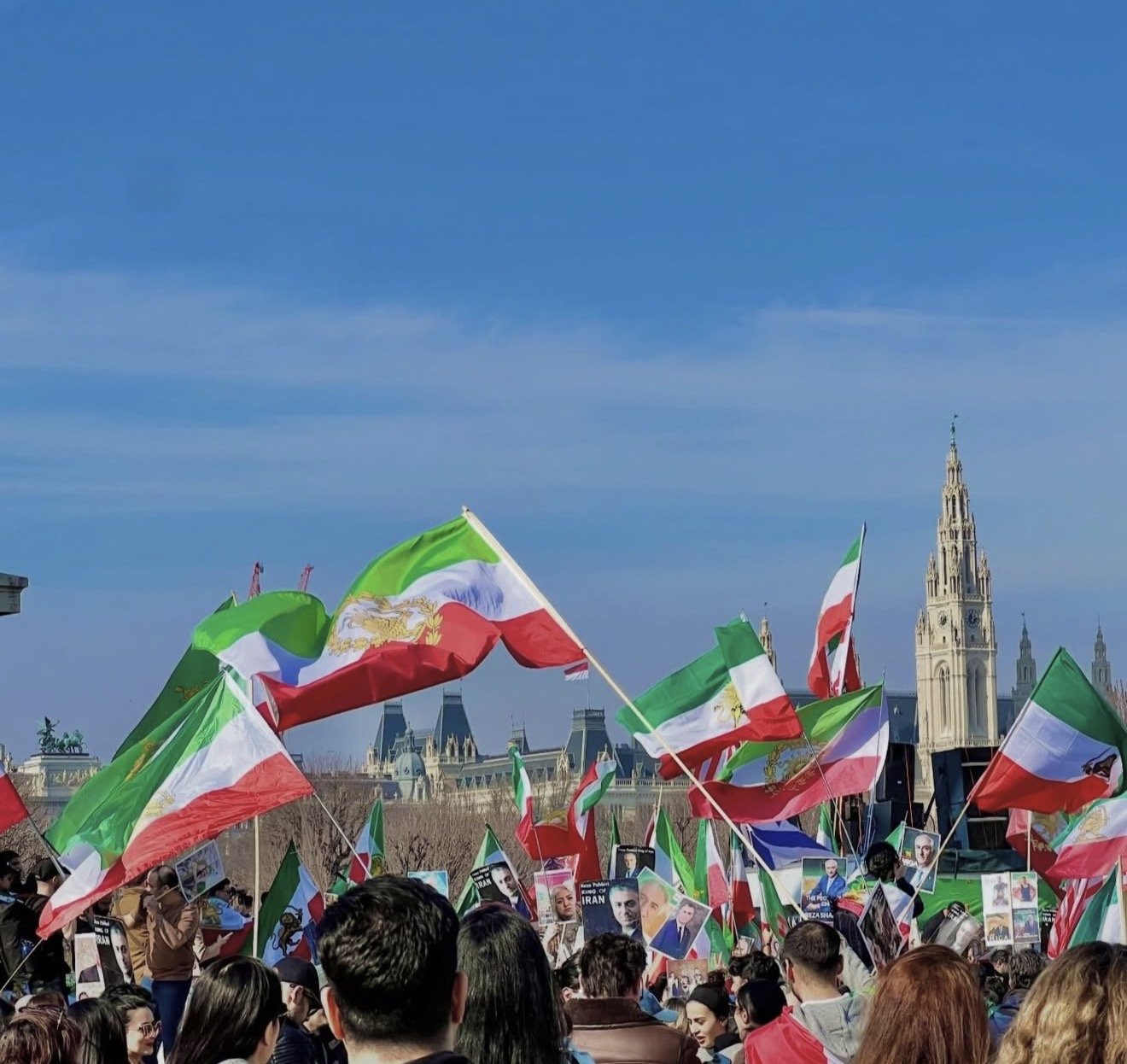
The rally in Vienna, held near Heldenplatz, brought together members of Austria’s Iranian diaspora and local supporters. Participants expressed a mix of celebration, grief, and cautious hope for political change in Iran.
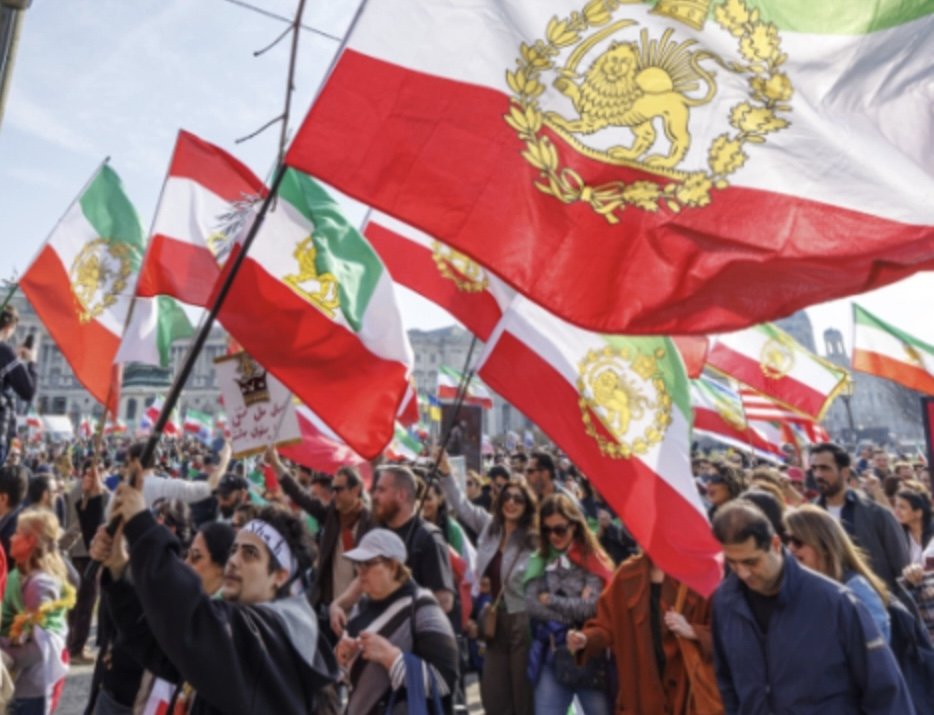
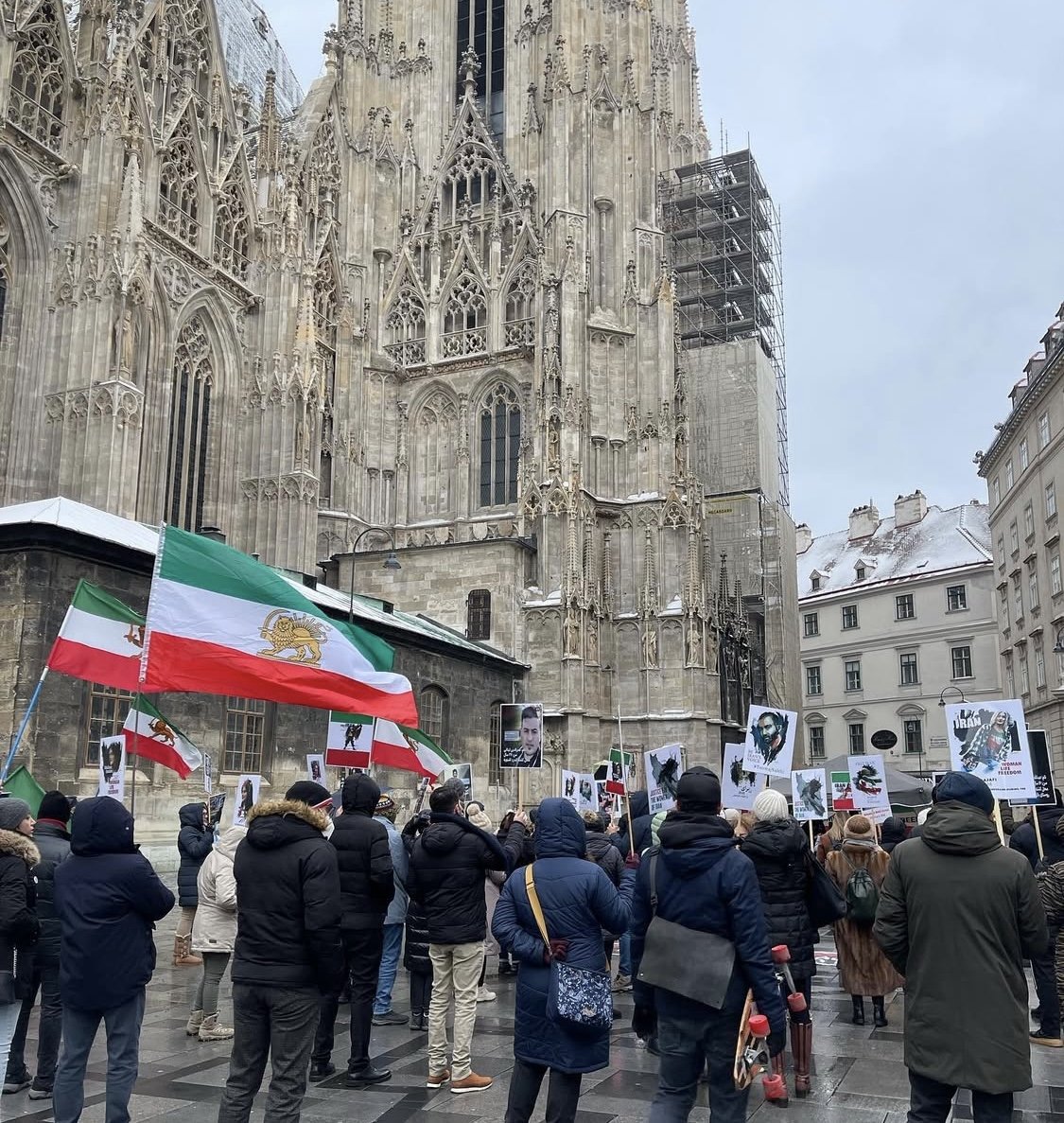
Many demonstrators carried Iranian flags featuring the pre-1979 “Lion and Sun” emblem, along with Austrian, Israeli, and American flags. Some held portraits of opposition figure Reza Pahlavi, whom segments of the diaspora see as a potential transitional leader. Chants of “Freedom for Iran” echoed through Vienna’s inner district as the procession moved peacefully through the city center. Austrian authorities reported no major incidents, though police presence increased due to heightened geopolitical tensions.
Organizers described the gathering as a peaceful expression of solidarity with Iranians calling for democratic reform, rather than a celebration of war. However, the following the strikes and Tehran’s retaliation highlighted the deep political divisions within diaspora communities across Europe.
For many gathered in Vienna, the immediate focus remained the future of Iran itself. The reflecting a sentiment shared by many in the crowd “We hope this is the beginning of freedom,” said participants, mixture of optimism and anxiety as the situation inside Iran remains fluid.
Regional escalation and the risk to global oil supplies
While demonstrators marched in Vienna, global markets braced for economic repercussions.
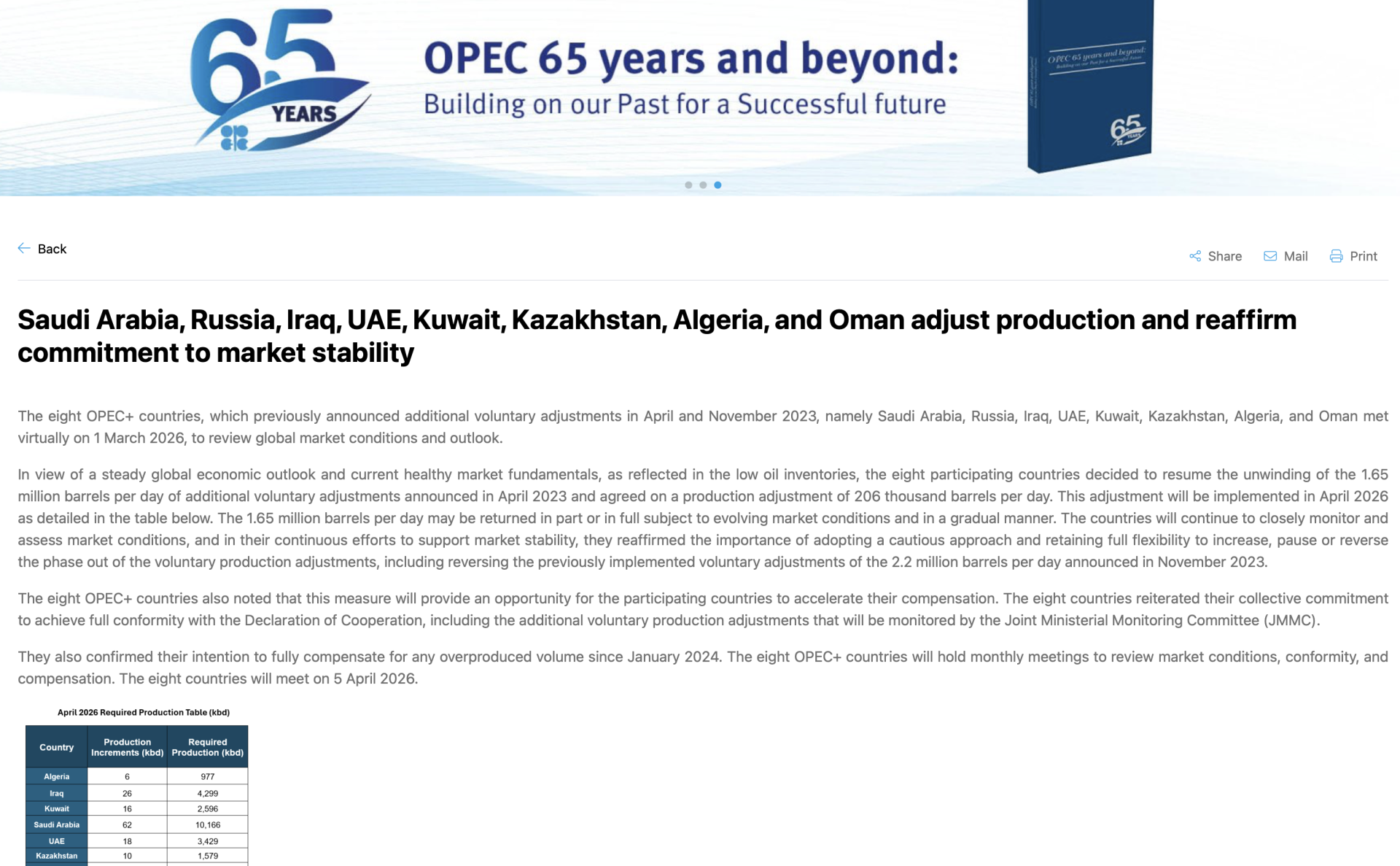
On March 1, key members of OPEC+ announced a larger-than-expected increase in oil production quotas in response to the unfolding crisis. The eight-nation “Voluntary Eight” (V8) group, including Saudi Arabia and Russia, alongside Kuwait, Oman, Iraq, the United Arab Emirates, Algeria, and Kazakhstan agreed to raise output by 206,000 barrels per day (bpd) starting in April. The production increase exceeded analysts’ earlier forecasts of 137,000 bpd. In an official statement, the group cited “a steady global economic outlook and current healthy market fundamentals,” without explicitly referencing the outbreak of hostilities.
However, energy analysts warn the move may not be sufficient to stabilize markets.
Iran’s Revolutionary Guards reportedly contacted commercial vessels declaring the strait closed. Iranian state television broadcast footage of a burning oil tanker allegedly struck while attempting to transit the waterway. If shipping through Hormuz is disrupted, analysts say additional production volumes would do little to offset supply constraints.
European leaders have called for restraint and diplomatic engagement, warning that further escalation risks destabilizing global energy markets, international shipping lanes, and already fragile geopolitical balances.
Over the past two days, demonstrations related to the Iran conflict have been organized in several European cities, including Berlin, Frankfurt, Paris, Lisbon, and London, where members of the Iranian diaspora and supporters gathered to express reactions.
Gallery