EBRD: Southeastern Europe needs stronger energy resilience - EXCLUSIVE
Recent disruptions across Southeastern Europe have shown how droughts and heatwaves can simultaneously affect multiple power generation technologies and limit regional electricity trade.
This was said by the source in the EBRD, in an exclusive interview with CE Report.
The events have underscored the need for greater flexibility and resilience across the energy system, as well as increased investment in regional electricity grids.
According to the source, recent climate-related disruptions have reinforced the importance of diversifying energy sources and expanding storage capacity and other flexible solutions. Such measures are considered essential to maintaining security of supply while supporting the continued integration of renewable energy.
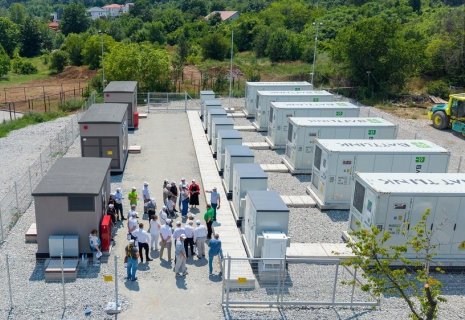
Renewable energy sources, particularly wind and solar, as well as energy storage technologies, can play an important role in strengthening the resilience of the power system. Unlike conventional power generation assets that depend on water availability, these technologies do not rely directly on water resources and therefore have a net positive impact in conditions of water stress.
The source also highlighted the importance of climate adaptation investments aimed at protecting critical energy infrastructure from extreme weather events. Droughts, wildfires and floods can pose significant risks to energy assets, making resilience a key priority for the European Bank for Reconstruction and Development (EBRD) in Romania and other economies where it operates.
The EBRD remains committed to working with regional authorities and utilities to identify and support priority investments aimed at strengthening the resilience of critical energy infrastructure. At the same time, the Bank emphasizes the importance of preserving fair access to water across different economic sectors.
The combination of stronger regional grids, diversified energy sources, energy storage and climate adaptation measures is therefore becoming increasingly important for Southeastern Europe as the region faces more frequent and severe weather-related disruptions.
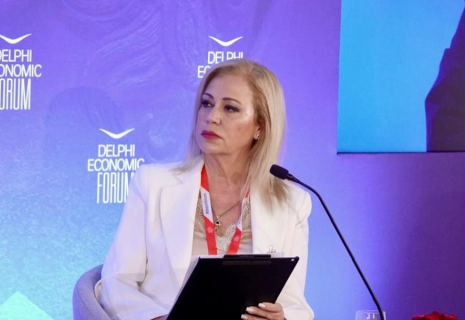
Photo: EBRD
This interview was prepared by Laura Hoffman