Greece expects results of Ionian Sea gas drilling by June 2027
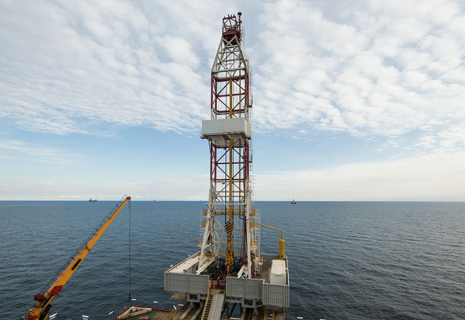
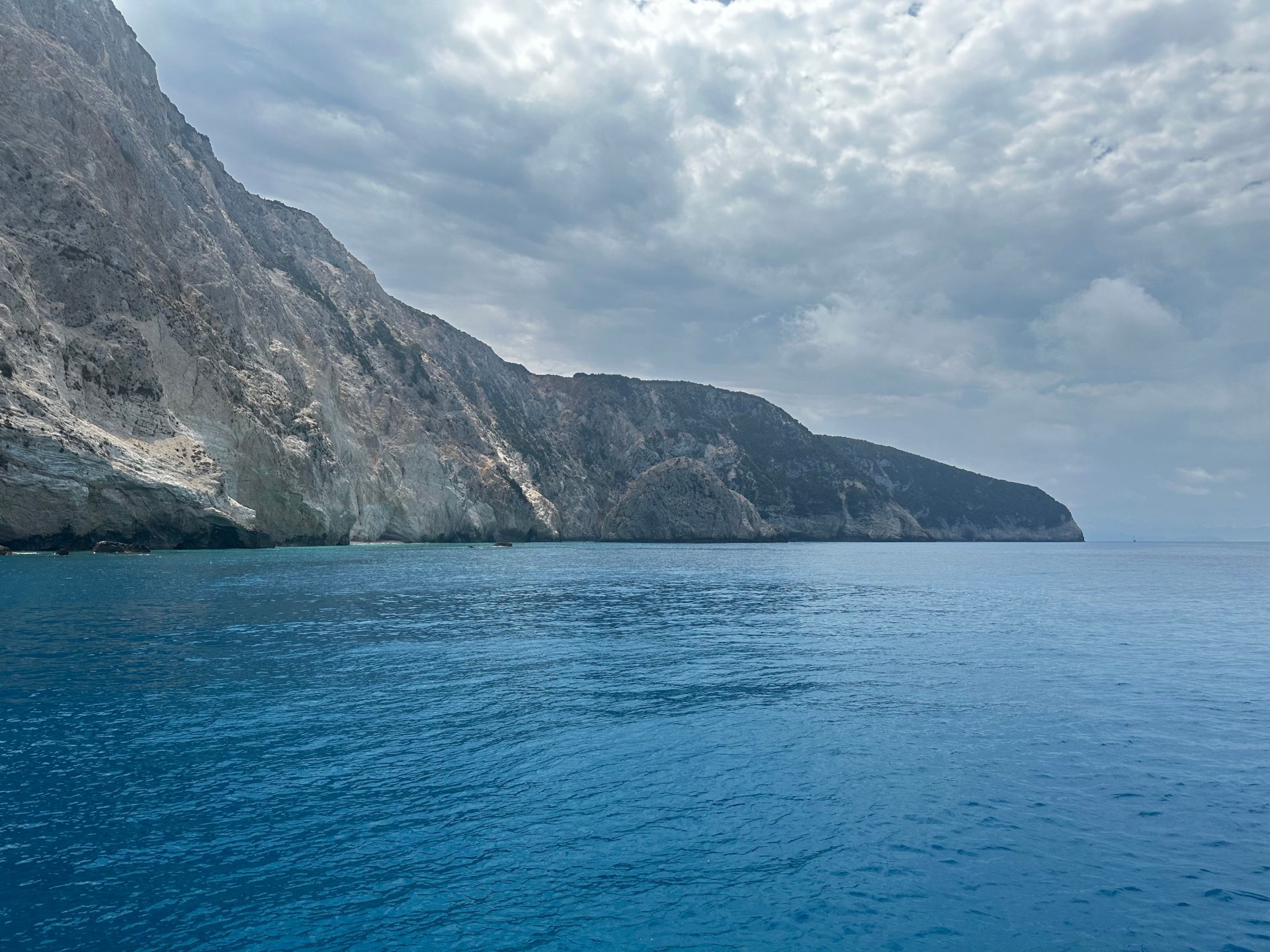
The results of the exploratory drilling operation in Block 2 of the Ionian Sea, scheduled for April 2027 by the Energean-ExxonMobil-Helleniq Energy consortium, are expected to be released in May-June 2027.
The results will determine whether natural gas or oil exist at the "Asopos 1" target identified through seismic surveys, CE Report quotes ANA-MPA.
However, determining whether any discovery is commercially viable will require additional wells to delineate the size of the deposit.
If estimates of a 270 bcm deposit are confirmed, as Energean CEO Mathios Rigas said at the Eastern Mediterranean Gas Forum, Greece would become self-sufficient in natural gas and an exporter.
The appraisal drilling programme, which will also require environmental permits, is expected to take around a year. If the results are positive, a further three-year period would be needed to install the infrastructure required to produce and transport the hydrocarbons.
On Tuesday, the Regional Council of the Ionian Islands approved the Environmental Impact Assessment for the Asopos well.
If hydrocarbons are discovered, ExxonMobil will take over as operator of the consortium, a role currently held by Energean.
The drilling in Ionian Sea Block 2 was among the Greek projects that took centre stage at the Eastern Mediterranean Gas Forum.
Other key initiatives include:
- The Greece-Cyprus electricity interconnection. The issuance of a NAVTEX for the continuation of seabed surveys is considered "a matter of days" by sources in the two countries, who stressed that no permission would be sought from Turkiye.
The European Investment Bank is also expected to complete the project’s financial and technical assessment, while the Republic of Cyprus is expected to pay € 25 million to IPTO to cover expenses already incurred.
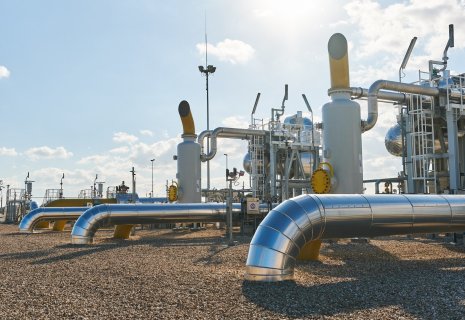
- The Vertical Gas Corridor. The process of gathering data from the countries involved is underway, with the aim of identifying the network investments needed to meet demand ahead of 2027 and the EU’s planned phase-out of Russian natural gas imports. A new meeting of the gas transmission system operators participating in the initiative will be held in Sofia in January. DESFA CEO Maria Sfakianaki also stressed that efforts are under way to optimise the efficiency of existing infrastructure before new facilities are built.
- The Egypt-Greece electricity interconnection, GREGY, which is backed by both countries.
- Carbon dioxide storage in a depleted field at Prinos. The floating platform that will be used to inject the gas is currently in Perama and, according to Energean sources managing the project, is expected to arrive in the Kavala offshore area in November. Completion of the infrastructure - including onshore facilities for receiving liquefied carbon dioxide and regasifying it, as well as wells and injection infrastructure - is targeted for 2030. In the meantime, investment decisions are expected from industries emitting carbon dioxide, concerning its capture and transportation to Prinos. Egypt, which has several times more available carbon dioxide storage capacity, reportedly asked Greece for technical assistance in organising the market and developing the relevant regulatory framework.
Photo: Pexels (Free Stock Photos)