Greece dominates EU cotton production, Commission data shows
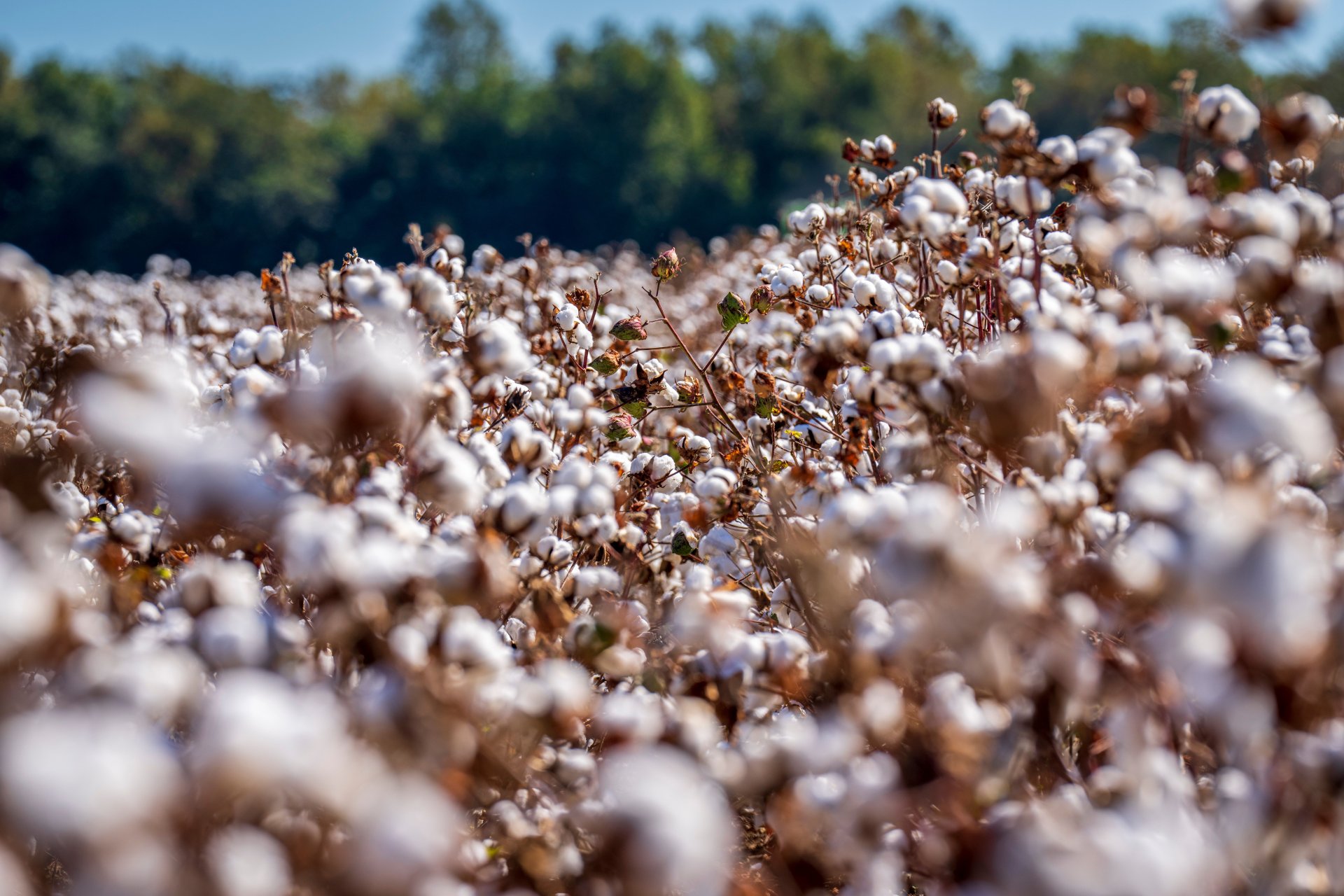
Greece accounts for around 80% of both cotton-growing acreage and production in the European Union, according to European Commission data, making it by far the bloc’s leading cotton producer.
World Cotton Day is observed every year on October 7, highlighting the importance of a crop closely linked to the productive profile of large parts of the Greek countryside, CE Report quotes ANA-MPA.
The day was first celebrated in 2019 and was officially recognised by the United Nations General Assembly in 2021. This year’s main event is being held in Tashkent, Uzbekistan, focusing on issues including trade, the cotton value chain, sustainability and climate finance.
"The fact that Greece ranks first in European cotton production is an important advantage that we need to leverage further. Behind this performance are thousands of farmers, entire local economies, processing companies and a production chain with a significant presence in international markets," Secretary-General for Rural Development and Food Spyros Protopsaltis told the Athens-Macedonian News Agency (ANA-MPA).
According to Commission data, cotton cultivation accounts for almost 6% of the country’s total agricultural land and is concentrated mainly in Central and Northern Greece, with regions such as Thessaly, Macedonia and Thrace playing a particularly important role. According to data from the Ministry of Rural Development and Food, around 211,000 hectares were cultivated in 2024, producing 709,700 tonnes of seed cotton, with 36,682 farmers involved.
"The next period requires us to place greater emphasis on quality, certification, technology and the sustainable management of natural resources. We need to help farmers reduce their costs, adapt to climate pressures and make use of modern tools that can improve their production," Protopsaltis said.
In recent years, attention has increasingly focused on how this strong production base can generate greater commercial value in a changing market. Quality, certification, the use of technology, more efficient use of inputs and water, and adaptation to new climate conditions are at the heart of the debate over the sector’s future.
In the same vein, the Ministry of Rural Development and Food has included cotton in a three-year pilot scheme aimed at reducing the sector’s carbon footprint, offering € 31.7 per thousand square metres to farmers who commit to reducing their footprint. At the same time, integrated crop protection measures and technical support for farmers in the main cotton-producing regions are continuing.
"Greece’s strong position in European cotton must translate into greater value for farmers, a stronger presence for Greek cotton in international markets and more opportunities for growth in the Greek countryside," he concluded.
Photo: Pexels (Free Stock Photos)