Italians boost spending on cultural experiences
Television, music and radio, as well as outdoor performances, concerts and art weekends.
Spending by Italian households on cultural activities continues to grow, reaching an average of €108 per month, according to the Observatory on Cultural Experiences in Italy conducted by Impresa Cultura Italia-Confcommercio in cooperation with SWG. In 2025, the figure stood at €94, making the latest result the highest in the entire post-pandemic series and bringing it close to 2019 levels (€113), CE Report quotes ANSA.
Among cultural activities, the most widespread remain watching television programs, films and series (92%), listening to music (87%) and listening to the radio (82%).
Reading also continues to play a significant role: 65% of Italians have read at least one book since the beginning of the year, while 43% have read paid newspapers in print or digital format.
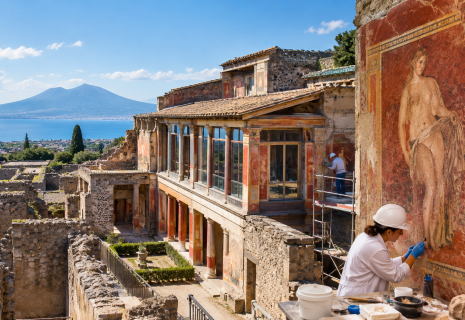
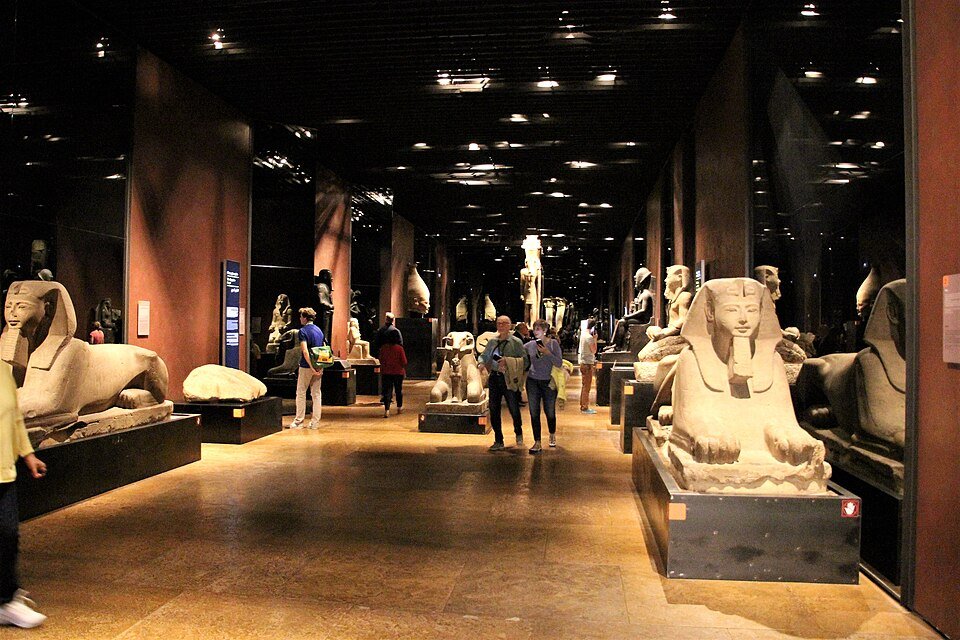
Among activities involving direct spending, cinema remains particularly popular (51%), followed by visits to museums, exhibitions and archaeological sites (49%), theater and outdoor performances (40%), and live concerts (35%).
Interest in cultural weekends is also growing. More than one in two Italians would be very interested in receiving one as a gift, while 42% say they would be very likely to give one to a loved one. Those most interested are people with higher levels of education, women and those over 55.
Over the past 12 months, 46% of Italians have taken at least one cultural weekend trip, with 34% traveling outside their home region. Average per-person spending reached €286.20, up from around €235 in 2025. Even among those who have not yet had such an experience (54%), there is a willingness to spend an estimated €215.70, indicating significant potential demand.
“The growth in cultural consumption is an important signal,” said Carlo Fontana, president of Impresa Cultura Italia-Confcommercio. “It shows that culture responds to real demand and represents a decisive driver of development, employment and social cohesion. However, participation remains marked by significant economic, social, generational and geographical disparities.
“For this reason, alongside support for businesses and cultural offerings, structural policies are needed to strengthen demand, as well as concrete measures such as tax deductions for spending on cultural activities and experiences. This would help broaden access and attract new audiences.
“The interest in cultural weekends also confirms the potential of integrating culture, tourism and local communities — a trend that should be supported and transformed into widely shared value for communities and the country as a whole.”
Photo: Wikipedia