Slovenia finally to get contemporary dance institute
Contemporary dance has long been overshadowed by other art forms in Slovenia, and its development has not been as sustainable as it could have been.
After decades-long efforts to establish a public organisation to steer this development, the country will now finally get a contemporary dance institute, CE Report quotes The Slovenia Times.
The Culture Ministry of Slovenia and the cities of Celje and Nova Gorica recently signed an umbrella agreement as the co-founders of a new Public Institute for the Development of Contemporary Dance Art.
The bulk of funding will be provided by the government, with €560,000 allocated annually from the national budget and another €4 million from EU cohesion funds until 2029.
However, in order to get the EU cohesion funds, the contemporary dance institute must be up and running by the end of this year, which is the founders' goal.
The organisation will be headquartered in Celje in a move that promotes decentralisation efforts. Home to a number of dance studios, the city in eastern Slovenia is known for its vibrant dance scene.
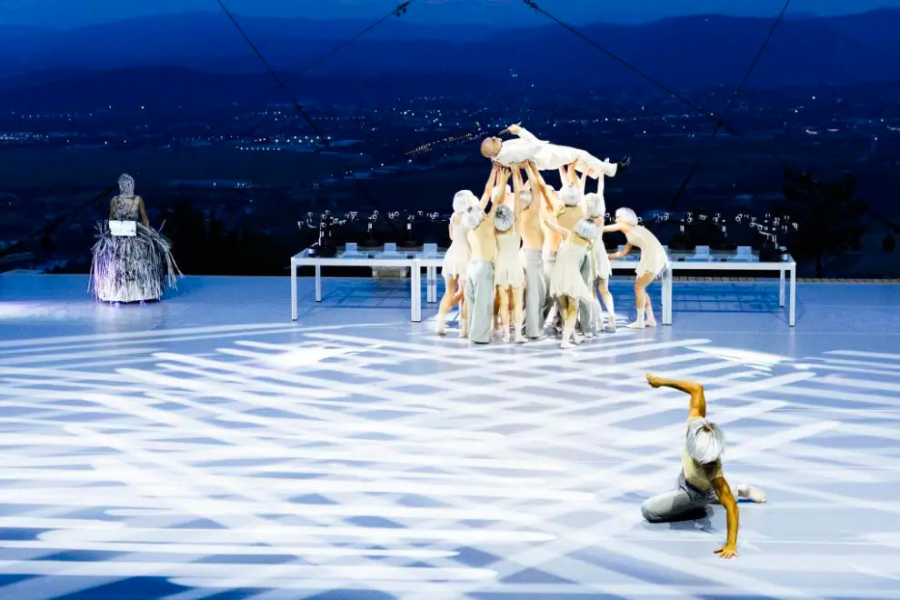
Meanwhile, Nova Gorica spearheaded the push for contemporary dance popularisation during last year's European Capital of Culture, a project it co-hosted together with Italy's Gorizia. It had a thriving dance scene at the time, with MN Dance Company staging several high-profile productions featuring dancers from around the globe.
Nova Gorica will now support the new institute by providing a rehearsal venue at the local EPIC Centre, which opened during the European Capital of Culture stint.
One of the few art forms in Slovenia without holistic institutional support, contemporary dance has lacked a strategic vision, and Culture Minister Asta Vrečko has described the institute as a major step forward not just for this art form but for Slovenian culture as a whole.
The work of many NGOs, dancers, teachers, choreographers and "those who document the history of contemporary dance" will now become more formalised, she said.
All of them have been calling for the establishment of such a public organisation for more than 30 years. A Centre for Contemporary Dance Arts was founded in 2011, but it was abolished in 2012 as a centre-right government took over during the financial crisis.
The current government gave the green light for the establishment of the new institute last November, followed by the city councils of both participating municipalities in January.
Hopes of long-term development
Despite the absence of systematic support so far, there have been driving forces of the development of contemporary dance such as the Dance Theatre Ljubljana and the Contemporary Dance Association.
There is also a number of acclaimed contemporary dancers and choreographers in the country, but their projects are often a labour of love or completely dependent on funding calls. Undertaking precarious work, they also frequently lack job security.
The head of the Contemporary Dance Association, Teja Reba, expects that contemporary dance will now become an equal partner to other art forms in Slovenia. She is also hopeful that the institute could grow into a major hub in Southeastern Europe.
Photo: Aljoša Kravanja