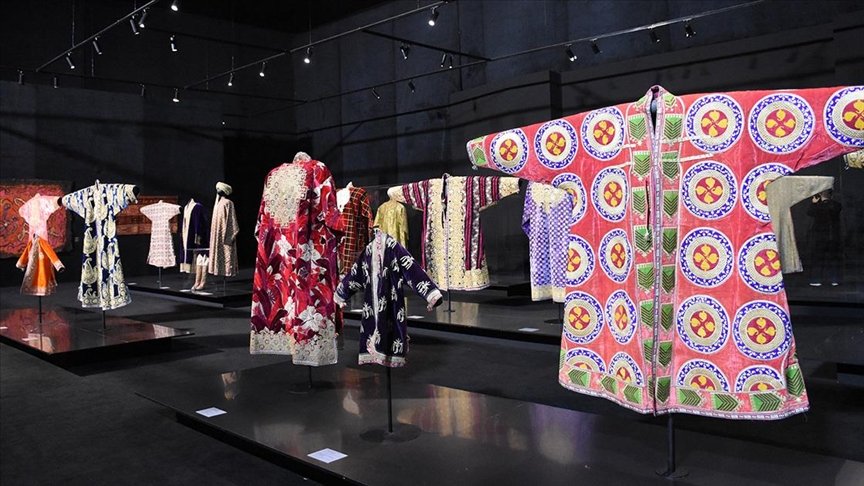
Uzbek traditional clothing reflects history and regional identity
Uzbek clothing culture, shaped by historical heritage, climate, lifestyle, and regional differences, is notable for its bright colors, unique patterns, and fine craftsmanship. These garments are among the most important elements preserving the country’s rich cultural fabric today.
Traditional Uzbek attire, primarily consisting of the kaftan-like “chapan”, baggy trousers “shalvar”, and the skullcap “doppi”, varies regionally. These clothes are not merely garments but serve as artistic expressions telling the stories of different parts of Uzbekistan. Despite the rise of modern fashion, these outfits continue to be worn at special occasions, festivals, and national holidays, carrying forward Uzbekistan’s layered history and cultural heritage, CE Report quotes Anadolu Agency.
Men’s traditional clothing: function meets style
Men’s attire emphasizes practicality. Shirts like the “yektek” and long, loose chapan robes are paired with the doppi, which provides warmth in winter, shade in summer, and often indicates regional identity or social status through embroidered designs.
Chapans are made from cotton, wool, or silk. Plain versions are worn daily, while richly embroidered versions, called “zarçapan”, are reserved for ceremonies. Men complete their outfits with wide trousers and colorful sashes around the waist.
Women’s clothing: elegance and color harmony
Women’s traditional dress emphasizes elegance, color harmony, and detailed handcrafting. Typically, knee-length, brightly colored dresses are paired with wide “lazim” trousers. Everyday outfits are made from simple cotton fabrics, while festive or wedding attire is made of satin or silk, adorned with “zardozi” embroidery in gold and silver threads. Headscarves and jewelry vary according to age, marital status, and social position.
Regional diversity reflects cultural richness
Uzbek traditional clothing reflects the distinct cultural identity of each region:
Bukhara: Known for opulent garments with gold and silver thread embroidery on silk, reflecting palace culture and skilled craftsmanship along the Silk Road.
Khorezm: Desert climate favors simple, lightweight, functional clothing in plain colors and comfortable cuts, with headgear often made from sheepskin.
Fergana Valley: Vibrant colors, floral motifs, and refined embroidery characterize women’s clothing, while men’s garments are simpler and suited for daily use. Mergilan produces cotton-silk fabrics used widely in traditional outfits.
Karakalpakstan: Harsh climate and nomadic traditions influence dark tones, geometric motifs, and distinctive hats and silver jewelry. Men wear long chapans and wide trousers, with felt or fur hats for cold weather.
Preservation in museums
Traditional Uzbek national costumes are preserved in museums to pass on to future generations. Museums in Tashkent, Samarkand, Bukhara, and Khiva display rare examples from different periods, including chapans, women’s dresses, jewelry, and headwear. These collections provide historical insights into fabric types, color choices, and embroidery techniques, showing how everyday garments evolved into artistic heritage.
Garments convey social information
Safura Ruzimuradova, Deputy Director of the Samarkand State Museum, highlighted the rich diversity of Uzbek clothing and regional variations. The museum’s exhibition “Heritage in Stitching” displays nearly 200 traditional garments, jewelry, and embroidered fabrics, mostly from the 18th and 19th centuries.
Ruzimuradova explained that traditional embroidery patterns differ by region and carry specific meanings.
“Uzbek garments decorated with motifs and patterns also provide information about a person’s social status, marital status, and lifestyle,” she noted.