Trabzon cuisine comes alive through extensive research
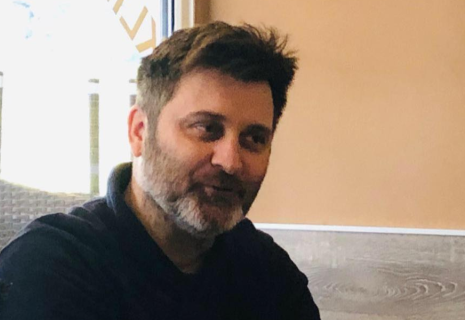
Mehmet Akif Şen completed his undergraduate studies in Food Engineering at Atatürk University. After working as a manager in industrial catering companies in Istanbul until 2017, he turned his focus to gastronomy and culinary arts.
After earning his associate professorship in 2021, Şen began research on culinary culture, geographically indicated foods, food products, and the cuisine of Trabzon, CE Report quotes Anadolu Agency.
For his book From Tradition to the Future: Trabzon Cuisine, he spent over two years interviewing 437 people across 18 districts to document the forgotten recipes of Trabzon’s cuisine. The two-volume work was published in September 2024.
The first volume, titled Cultural Values, covers Trabzon’s history and geography, agricultural production, gathering tools, food preservation methods, traditional products, bread and pide recipes, special occasion foods, and local customs and traditions. The second volume, Traditional Flavors, contains recipes for soups, rice dishes, pastries, desserts, dessert drinks, main courses, and meals made with wild herbs and mushrooms.
Şen’s book received the Special Jury Award within the TÜBA-TESEP program under the Presidential patronage. It is the first work in the TESEP awards, given since 2008, to be recognized in the field of gastronomy and culinary arts.
“Cuisine reflects the past cultures of societies”
Assoc. Prof. Dr. Mehmet Akif Şen told Anadolu Agency that, in addition to his knowledge of the chemical structure, content, and components of food, he is also interested in the cultural side of cuisine.
While his academic work focused on industrial kitchens, he wanted to contribute to his hometown by studying Trabzon’s culinary culture. He said:
“While working on the book, I was at Giresun University. Over more than two years, I traveled 5,500 kilometers across 18 districts of Trabzon, interviewing 437 people. I sat by Aunt Ayşe, spent time with Fatma wrapping cabbage, and helped Uncle Ahmet harvest potatoes. I listened to the cultural practices of the men and women gathering hazelnuts.”
Şen emphasized that culinary culture reflects the past cultures of societies. “We must promote our culture and pass down the knowledge from previous generations to future ones. This was the result of asking myself, ‘How can I serve Trabzon?’ We decided that cuisine and gastronomy were the best ways to contribute to our hometown. I wanted to leave a work behind that tells the story of Trabzon’s culinary culture.”
He added that interest in gastronomy has increased recently in Turkey and that serious studies are being conducted in the field. He also said, “Our book is the first work in the TESEP awards since 2008 to win in the gastronomy and culinary arts category. I am proud and happy. We will continue our efforts to promote Trabzon cuisine and Turkish gastronomy to the world. According to the announced schedule, on December 23, we will receive this award from the President at the Presidential Complex, which will be a moment of pride as well.”