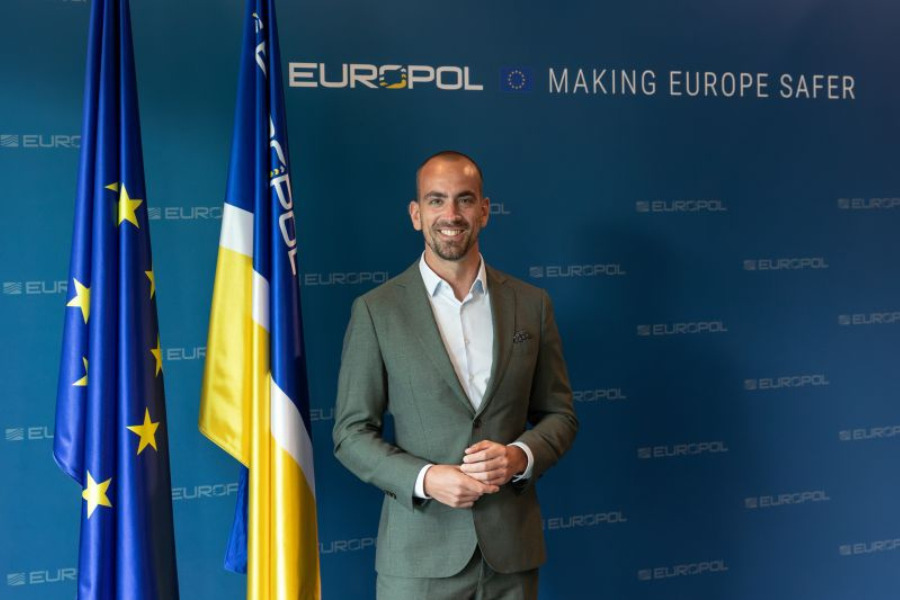
Europol details intelligence-sharing system behind major EU operations - EXCLUSIVE
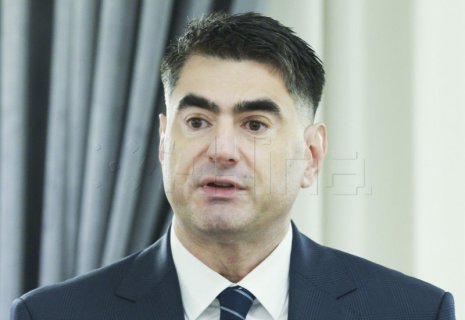
CE Report presents an exclusive interview with Thomas Kirchberger, Seconded National Expert at Europol, who discusses the Agency’s role in supporting cross-border investigations, intelligence sharing, and operational coordination in major organised crime cases across the EU.
What role did Europol play in coordinating intelligence and operational support among participating countries, including Austria and Spain?
In general, you can find more about how Europol supports its partners here. In essence, countries can share data with Europol and/or other/specific countries via SIENA. Europol’s experts cross-reference this information with the data available in its databases, which helps to build the intelligence picture supporting national investigations. Over the course of the operation, Europol can provide operational support and on the action day coordinate the involved law enforcement authorities across several countries.
Can you elaborate on the methods used by the network for trafficking cocaine and cannabis via maritime and air routes?
On this, I have a whole spotlight report on cocaine trafficking methods.
What further actions are expected following the arrest of the High Value Target and other suspects?
That’s generally for the involved national authorities to decide and pursue. Europol can support further on their request. The information gathered during such an operation flows into the general intelligence picture and might contribute to further investigations of this kind, as has happened in past operations.
How does this operation fit into Europol’s broader strategy to combat large-scale drug trafficking networks in Europe?
For a more overarching picture of our work, including what Europol identifies as high priority crime areas, take a look at the EU Serious and Organised Crime Threat Assessment (EU-SOCTA). To add to the previous answer, any operation Europol supports contributes to the overall intelligence picture on any given crime area and the criminal networks engaged within, which improves the support we can provide to our partners. To that end, we also regularly produce Intelligence Notifications and Early Warning Notifications, which may or may not be made available to the public, but also so-called public ‘spotlights’ (see question 3) or other reports such as the aforementioned EU-SOCTA. You may also find the report called "Decoding the EU’s most threatening criminal networks" interesting.
Lastly, let me add one more piece of information on High-Value Targets (HVT). In our definition a HVT is a person whose criminal activity constitutes a high risk of serious and organised crime to two or more EU Member States. In other words, such a person considered a High-Value Target may play a key role in the operations of a criminal network, not necessarily as a leader but also, for example, as a logistician, financer, or money launderer. It is therefore a priority to identify such HVTs as their arrest might impact a criminal network to a greater extent.
Photo: LinkedIn
This interview was prepared by Julian Müller