Albanian diaspora mobilizes: what’s behind demonstrations? - EXCLUSIVE
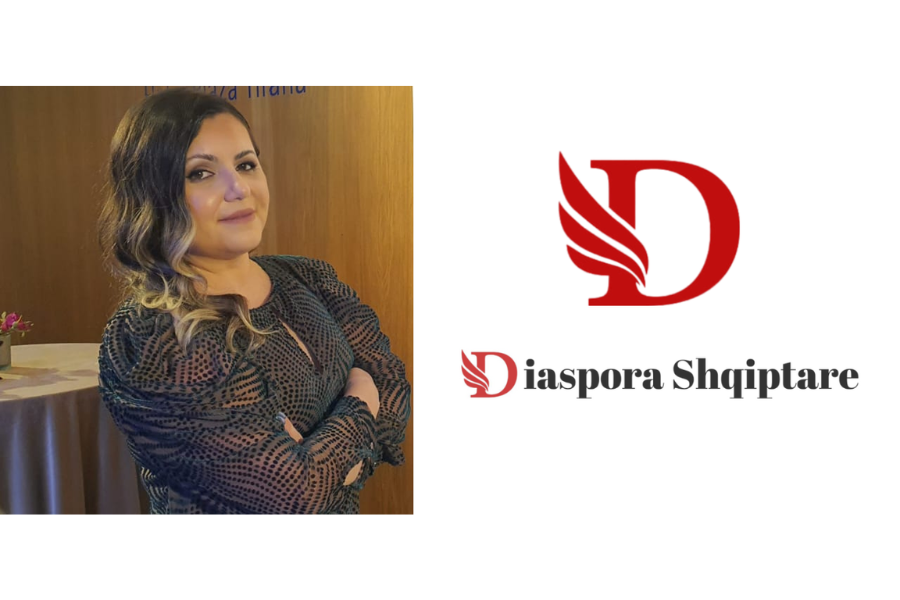
CE Report presents an exclusive interview with Yllka Lezo, Editor-in-Chief at Gazeta Diaspora Shqiptare (Albanian Diaspora Newspaper), discussing the mobilization of Albanian communities in response to judicial proceedings at the Kosovo Specialist Chambers in The Hague.
What message do the organizers aim to convey to international institutions through these protests?
The core message directed at international institutions is a call for fairness, balance, and historical accuracy. The organizers are not rejecting the concept of justice itself, but rather questioning a judicial approach they perceive as selective and politically framed. Through peaceful protest, they seek to remind international actors that the Kosovo Liberation Army emerged from a context of oppression and war, and that this historical reality cannot be detached from any legal assessment. The message is clear: justice must be impartial and must not criminalize an entire liberation movement.
How do participants assess the fairness of the judicial process currently taking place in The Hague?
Many participants express deep concern regarding the perceived imbalance of the judicial process. In their view, the proceedings at the Kosovo Specialist Chambers rely heavily on contested narratives, including allegations stemming from reports that were never conclusively substantiated. The classification of the KLA as a “joint criminal enterprise” is seen as particularly troubling, as it risks transforming individual accountability into collective guilt. This perception has led to a broader sense of mistrust toward the Court and its ability to deliver genuinely impartial justice.
What role do regional and diaspora protests play in shaping public awareness of the case?
Regional and diaspora protests play a crucial role in internationalizing the debate. They ensure that concerns surrounding the proceedings in The Hague are not confined to Kosovo alone, but are brought to the attention of audiences across Europe and beyond. For diaspora communities, these protests are also about safeguarding historical memory, dignity, and collective identity.
We have previously witnessed the strength and influence of the Albanian diaspora in advancing national causes. A clear example is the international recognition of the independent state of Kosovo, where diaspora engagement played a significant and, in many cases, decisive role through advocacy, lobbying, and sustained public visibility. In this context, current diaspora mobilization reflects a continuation of that civic engagement—seeking to shape public opinion, media narratives, and ultimately the awareness of international institutions.
By mobilizing peacefully in cities such as Skopje, Tirana, and various European capitals, protesters aim to reaffirm that this issue carries broader regional and historical significance, extending well beyond the courtroom and into the realm of collective responsibility and international accountability.
How do organizers respond to criticism regarding the political nature of these demonstrations?
Organizers generally reject the idea that these protests are partisan or politically motivated. Instead, they frame them as civic and moral actions rooted in collective memory and dignity. While the issue inevitably carries political weight, the demonstrations are presented as a response to what is perceived as injustice, rather than an attempt to interfere with judicial independence. From this perspective, peaceful protest is viewed as a democratic right and a legitimate means of expressing concern.
Are further protests or coordinated actions planned in the coming weeks?
Based on public statements by organizers, it is likely that further protests and coordinated actions will follow, both in the region and within the diaspora. These actions are expected to remain peaceful and focused on raising awareness rather than confrontation. The continuity of such demonstrations reflects a sustained sense of urgency among supporters, who believe that silence would amount to complicity in what they view as an ongoing injustice.
Photo: LinkedIn
This interview was prepared by Julian Müller