North Macedonia, Montenegro boost health cooperation on EU path
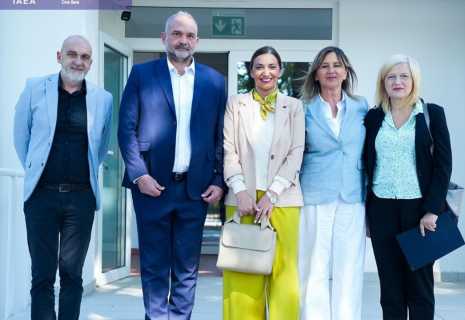
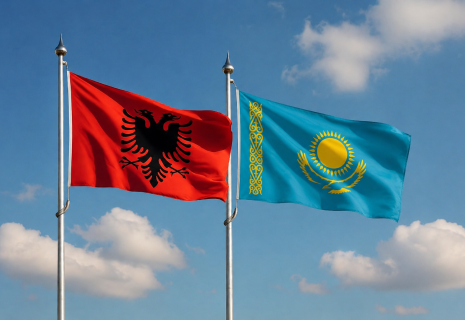
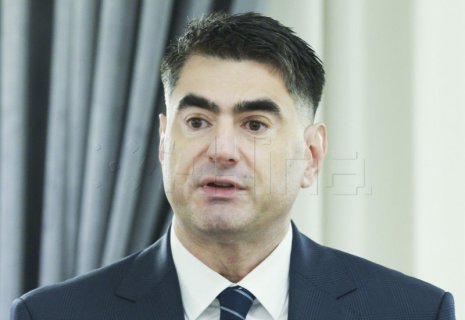
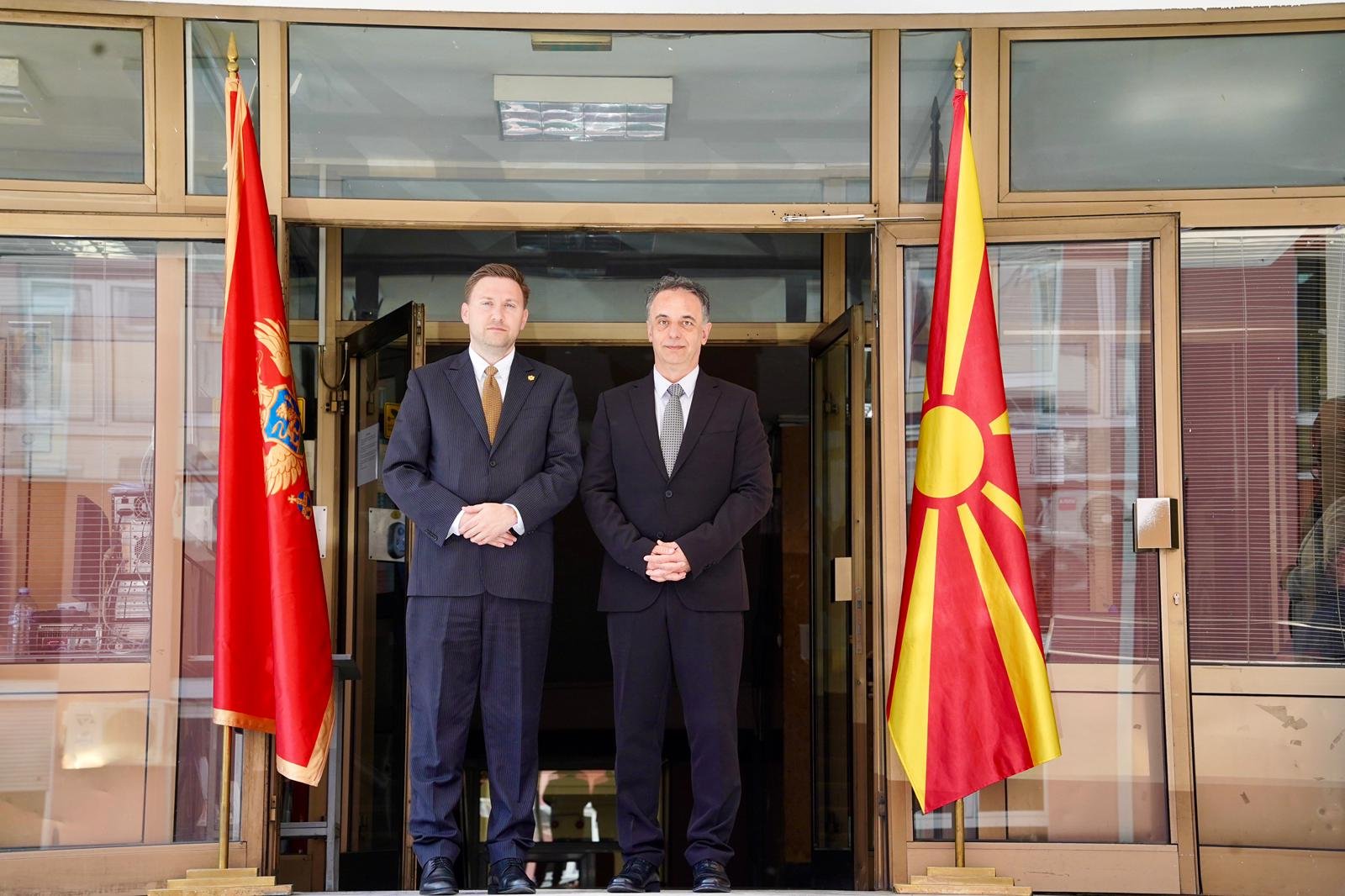
The Minister of Health of North Macedonia, Azir Aliu, held an official meeting at the Ministry of Health with a delegation from the Ministry of Health of Montenegro, led by Health Minister Vojislav Šimun.
The meeting confirmed a shared commitment to further strengthening bilateral cooperation, with a special focus on European integration processes, CE Report informs via the Ministry of Health of North Macedonia's official website.
“Our country has established traditionally good and friendly cooperation with Montenegro. At the meeting with the Montenegrin Health Minister, we expressed readiness to further enhance bilateral cooperation in the health sector. We had a substantive and constructive exchange of experiences related to the process of aligning national legislation with European Union law, as well as the dynamics and methodology of accession negotiations. Special attention was given to Chapter 28, which concerns public health, as one of the key segments in the process of harmonization with European standards,” Minister Aliu said.
The bilateral meeting highlighted joint participation in the South-Eastern Europe Health Network, where the role of the regional center for non-communicable diseases in Podgorica and the regional public health systems center in Skopje is particularly significant.
“Together with the Montenegrin Health Minister, we discussed opportunities for further exchange of experts and medical staff, cooperation in addressing non-communicable diseases, as well as strengthening public health, digitalization, and exchange of best practices through joint applications within regional and EU programs,” Aliu added.
The meeting emphasized the importance of continuous institutional cooperation in order to ensure sustainable and efficient reforms in the health sector, aimed at improving the quality of healthcare and strengthening public health, in line with European Union principles and values.
Montenegrin Health Minister Vojislav Šimun shared Montenegro’s experience in the EU accession process, with special focus on Chapter 28 on public health, noting that the process has intensified significantly and is in its final phase of closure.
He also informed about Montenegro’s participation in the EU4Health program, presenting projects that have received support, and expressed readiness to share these experiences, particularly in the field of digitalization of the healthcare system and the use of European mechanisms to support health sector reforms.