Ramadan diet tips: What to eat to avoid fatigue during fasting
While Muslims around the world observe the holy month of Ramadan, many are thinking about what to eat to stay energetic during the long fasting hours.
Nutrition experts say that a balanced approach to suhoor and iftar, focusing on whole foods, hydration, and careful portion sizes, can help fasting people maintain health, productivity, and well-being throughout the month, CE Report quotes ATA.
Nazima Qureshi, a dietitian and co-author of the Healthy Ramadan Guide, told Anadolu that while fasting can be challenging, especially with different cultural food traditions, several strategies can help people stay energetic and productive.
“You want to be able to start your fast during this shared time. Therefore, include your cultural food, but be careful about what you put on your plate,” she said.
— Coffee and processed foods
Qureshi said that modern lifestyles, including increased coffee consumption and reliance on processed foods, have affected fasting experiences in recent years.
“Caffeine is a big question mark when it comes to Ramadan,” she said, suggesting that coffee can be consumed at suhoor if the pre-dawn meal is eaten late enough, but should be avoided in the evening due to its negative impact on sleep quality.
She warned that processed foods are high in calories but low in nutrients, which can make people feel tired during the day despite eating large amounts.
“You end up significantly increasing your calories, but not your nutritional value. That’s what results in lower energy throughout the fast,” said the Canada-based author.
— The ideal Ramadan plate: Balance is key
For suhoor, Qureshi advises avoiding simple carbohydrates such as white bread or sugary cereals, which cause spikes in blood sugar followed by sharp drops.
Instead, she recommended whole grains, combined with protein and healthy fats to maintain energy levels.
Qureshi said an ideal suhoor meal should include carbohydrates, protein, healthy fats, and sufficient hydration.
Examples include eggs with wholegrain toast and vegetables, or oatmeal with yogurt and berries, along with 500 to 700 milliliters of water.
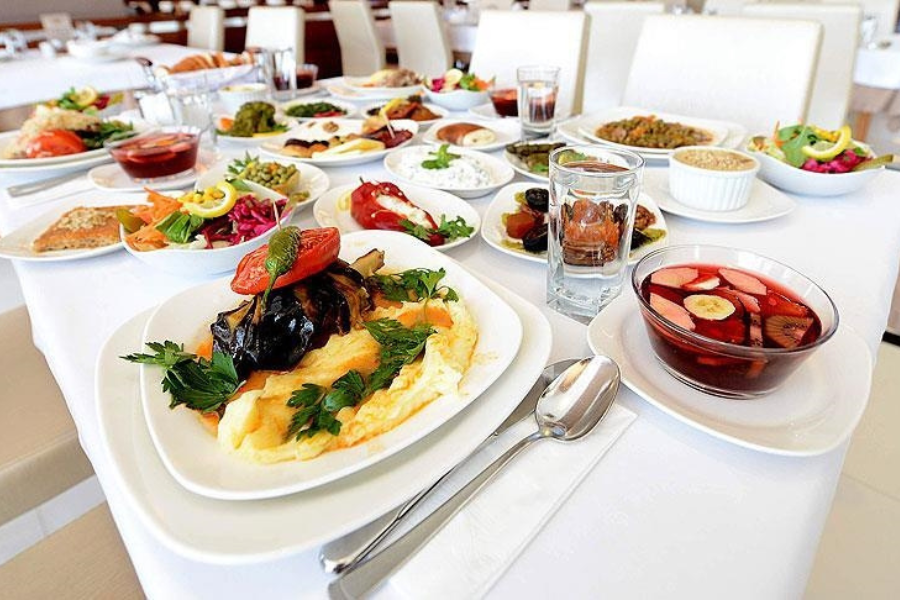
For iftar, she advised against breaking the fast with fried foods and instead recommended dates, water, and fruit first, followed by a balanced meal.
“When you are very hungry, you don’t realize how much you are consuming. Eating those (fried) foods a little later after prayer will help you have a more balanced meal,” she said.
Qureshi also encourages including traditional foods while maintaining balance.
“Choose which carbohydrates you want to eat that night and pair them with proteins such as chicken or kebabs,” she said, adding that vegetables are often missing from iftar tables and recommended salads or grilled options.
— Managing dizziness and fatigue
According to Qureshi, symptoms such as dizziness, headaches, and weakness often result from poor hydration and eating habits during non-fasting hours.
“When someone experiences negative symptoms, it is often due to what they are doing during that non-fasting window. It is very likely they are not drinking enough water,” she said.
She added that heavy or sugary late-night foods can lower energy the next day.
“If it is very rich in fat, or fried food, or sugary, you will feel much more exhausted,” she said, recommending light foods such as fruit, yogurt, or smoothies.