Slovenia’s diesel price surpasses €2 per litre for first time
Slovenia's diesel price crossed €2 a litre for the first time on 22 September, reflecting higher oil and refined-fuel prices on international markets and renewed volatility in global energy markets.
The regulated price of diesel rose by 2.1 cents to €2.012 a litre, while regular petrol increased by 2 cents to €1.748, CE Report quotes The Slovenia Times.
Heating oil also reached a record, rising by 3.3 cents to €1.635 a litre. The new prices apply until 28 September.
The rise comes amidst continued geopolitical uncertainty in the Gulf, which has been driving up fuel prices worldwide, and despite continued government action and excise duties that are at or close to the minimum levels permitted by the EU.
Without government intervention, the prices would be considerably higher. The Infrastructure and Energy Ministry estimates that petrol would cost about €1.948 a litre, diesel €2.309 and heating oil €1.850.
The government has also temporarily waived an energy-efficiency contribution and the CO2 emissions tax on petrol, diesel and heating oil, and excluded the biofuel component from the price calculation for petrol and diesel.
One of only a handful of EU countries that regulate fuel prices, Slovenia sets prices outside the motorway network administratively, calculating them from seven-day averages of international prices for petroleum products, together with movements in the US dollar-euro exchange rate.
As a result of the regulation, fuel prices are still among the lowest in the EU, where diesel has cost over €2 for a while.
Prices at service stations on motorways and expressways are not regulated and are set freely by retailers.
Slovenia's largest fuel retailer Petrol says that supplies remain stable despite geopolitical tensions and disruptions on international energy markets.
The company said, however, that the current regulated pricing system does not respond quickly enough to market changes, particularly during periods of high volatility, and does not fully cover all of its costs.
Petrol has called for a move towards market-based fuel pricing, combined with safeguards to protect consumers from excessive price increases.
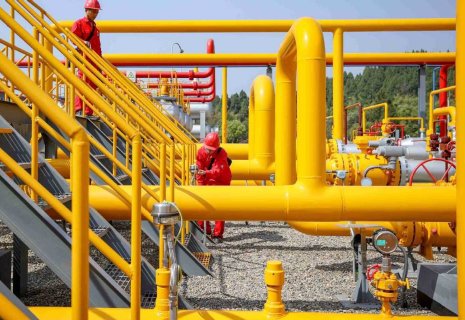
Photo: Pexels (Free Stock Photos)