Slovenia completes largest infrastructure project in years
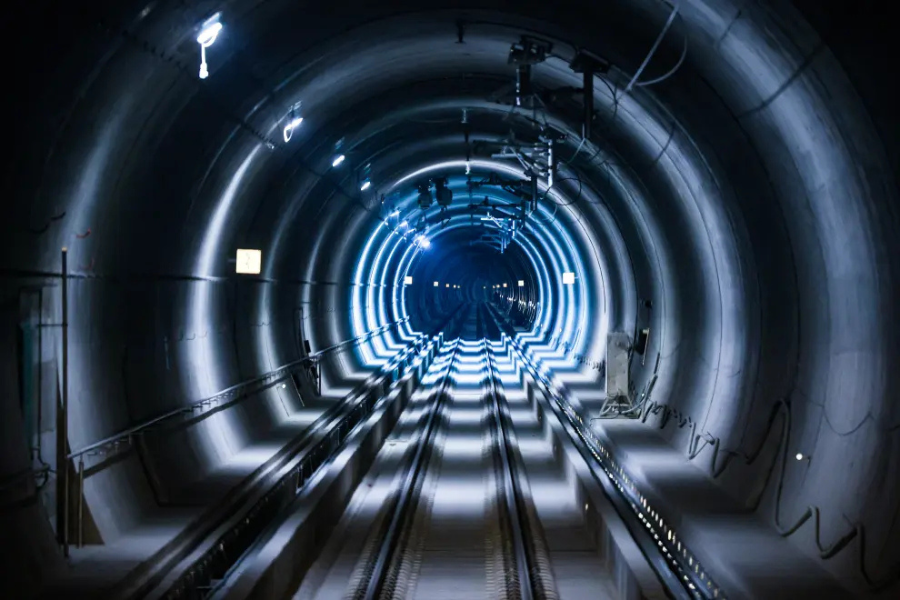
Slovenia has symbolically inaugurated a new railway line between Divača and the port city of Koper, completing the country's largest infrastructure project in years and marking a major upgrade to the key freight corridor linking the port of Koper with Central Europe.
The €1.1 billion project, launched five years ago, introduces a new 27.1-kilometre rail line that will significantly increase freight capacity and shorten travel times.
While trains can already begin running on the track, it will become fully operational once it receives its final operating permit, CE Report quotes The Slovenia Times.
Prime Minister of Slovenia Robert Golob, Infrastructure Minister Alenka Bratušek and executives from Slovenian Railways and the state-owned project company 2TDK arrived at the 11 March ceremony in Koper aboard a test train running along the newly completed line.
A major capacity boost
The new railway is expected to transform freight transport between the Adriatic port and the inland rail network.
Currently, about 100 trains depart daily from the port along the old line, transporting roughly 15 million tonnes of cargo per year. With the new track, freight capacity is expected to double to around 30 million tonnes annually, with more than 200 trains running each day.
Travel time on the Divača-Koper section will fall from around 100-110 minutes to about 30 minutes. The project also increases the maximum number of trains from 98 to 212 per day and raises the maximum speed on the section from 65-75 km/h to up to 160 km/h.
The route is also considerably shorter: the new track is more direct due to a series of bridges and tunnels, reducing travel distance between Divača and Koper from 44.6 kilometres to 27.1 kilometres.
Strategic importance for the port
Government officials stressed that the new line is essential for the development of the Port of Koper, Slovenia's main maritime gateway.
Golob described the project as a success story of domestic expertise, praising Slovenian engineers and construction companies for completing the line within the planned deadlines and budget. He stressed that the port "must have good connections" as Slovenia's key link with global trade.
Matej Oset, director general of 2TDK, the state-owned company which has built an will operate the new section, said the line would significantly strengthen the port's competitiveness and improve Europe's transport connections.
According to project estimates, the upgraded railway could pump an additional €150 million a year into the Slovenian economy.
The project also received substantial EU support. Slovenia secured €389 million in European funding, covering almost 35% of the total cost.
Construction on the tough Karst terrain was difficult as workers discovered dozens of caves while drilling tunnels. They had to build viaducts inside some of them.
Plans for further expansion
The newly completed line is the first stage of a broader upgrade of the corridor. Construction of a parallel track will now begin, while the existing railway is planned to be converted into a cycling route once it is no longer needed for rail traffic.
Bratušek said the project demonstrates strong cooperation and technical expertise across the planning, construction and financing stages.
Local concerns
Despite the celebratory tone of the inauguration, some local residents remain critical of the project.
In an open letter to the government, locals complained that they had been left to deal on their own with damage to their homes caused during construction, calling the situation "pure hypocrisy".
Oset, the 2TDK director, acknowledged the disruption caused by years of construction and thanked residents for their patience, saying issues raised by locals were being addressed.
Photo: Daniel Novakovič/STA