Moldova could make major progress in EU accession talks under Lithuania's presidency
The Republic of Moldova could make significant progress in its European Union accession negotiations during the first half of 2027, when Lithuania will hold the rotating presidency of the Council of the EU. Vilnius aims to help provisionally close several negotiation chapters for Moldova and Ukraine after all negotiating clusters have been opened by the end of 2026, CE Report quotes MOLDPRES.
The intention was expressed by Lithuanian Foreign Minister Kęstutis Budrys in an interview with the British think tank Royal United Services Institute (RUSI). The official stressed that Lithuania wants to use its six-month presidency of the Council of the European Union to turn political support for EU enlargement into tangible progress for candidate countries.
On January 1, 2027, Lithuania will assume the rotating presidency of the Council of the EU for six months. During this period, the authorities in Vilnius will play an important role in organizing negotiations among member states, facilitating compromises and reaching agreements on common European issues. The presidency does not make decisions on EU enlargement independently, but it can influence the pace of discussions and help build consensus among the 27 member states.
According to Kęstutis Budrys, Lithuania's objective is to ensure that all negotiating clusters for Moldova and Ukraine are opened by the end of this year. Subsequently, during Lithuania's presidency, the first negotiation chapters could be provisionally closed, marking a new stage in the accession process for both countries.
The provisional closure of a negotiation chapter means that a candidate country has met the conditions and requirements established by the European Union in a particular policy area. However, this does not mean that accession negotiations are permanently concluded. Chapters can be reopened if problems arise or if the candidate country fails to honour its commitments. All areas must be agreed upon before the accession process can be completed.
For the Republic of Moldova, the European Commission's roadmap indicates the possibility of provisionally closing certain chapters during the first half of 2027, including those covering research, education and culture. These are part of the broader process of aligning national legislation and policies with European standards.
However, progress in negotiations does not depend solely on the political willingness of EU member states. The pace of the process is also determined by the reforms implemented by the authorities in Chișinău and the results achieved in key areas required for accession. Priorities include strengthening the rule of law, reforming the justice system, fighting corruption and developing public institutions capable of effectively implementing European legislation.
Lithuania's presidency could therefore provide Moldova with an important diplomatic opportunity to accelerate its European integration process. Vilnius can help build broader support among member states and advance negotiation dossiers, but responsibility for meeting the accession criteria rests with the Moldovan authorities.
Lithuania also supports Ukraine's ambition to join the European Union by 2030. Regarding the Western Balkans, Vilnius advocates advancing the region's candidate countries in line with their progress in implementing reforms. One of the ambitious objectives of Lithuania's presidency is to sign Montenegro's EU accession treaty during this period.
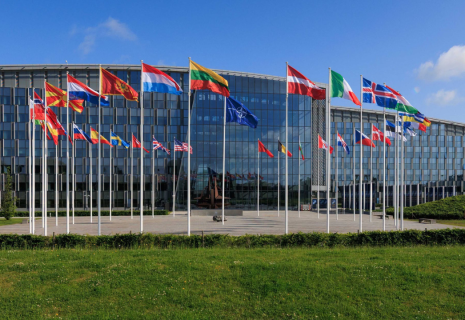
In addition to EU enlargement, Lithuania's agenda will include strengthening European security. Vilnius supports deeper defence cooperation with Türkiye and other NATO allies that are not EU members, arguing that the security of the continent should be built through closer cooperation among partners.
On November 20, the Republic of Moldova was officially invited to submit its negotiating positions for the final two clusters of chapters in the EU accession process. The invitation was sent by Ireland, which currently holds the rotating presidency of the Council of the EU.
So far, Moldova has opened negotiations on four of the six clusters of the EU acquis: Fundamentals, External Relations, Internal Market, and Competitiveness and Inclusive Growth.
On Wednesday, November 4, the European Commission published its 2026 Enlargement Report, which assesses Moldova's progress towards EU membership. At the same time, the Commission published a roadmap for accession negotiations, which envisages the provisional closure of 25 chapters in 2027 and the opening of the remaining two clusters by the end of 2026.
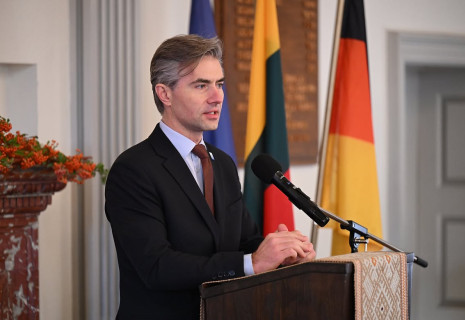
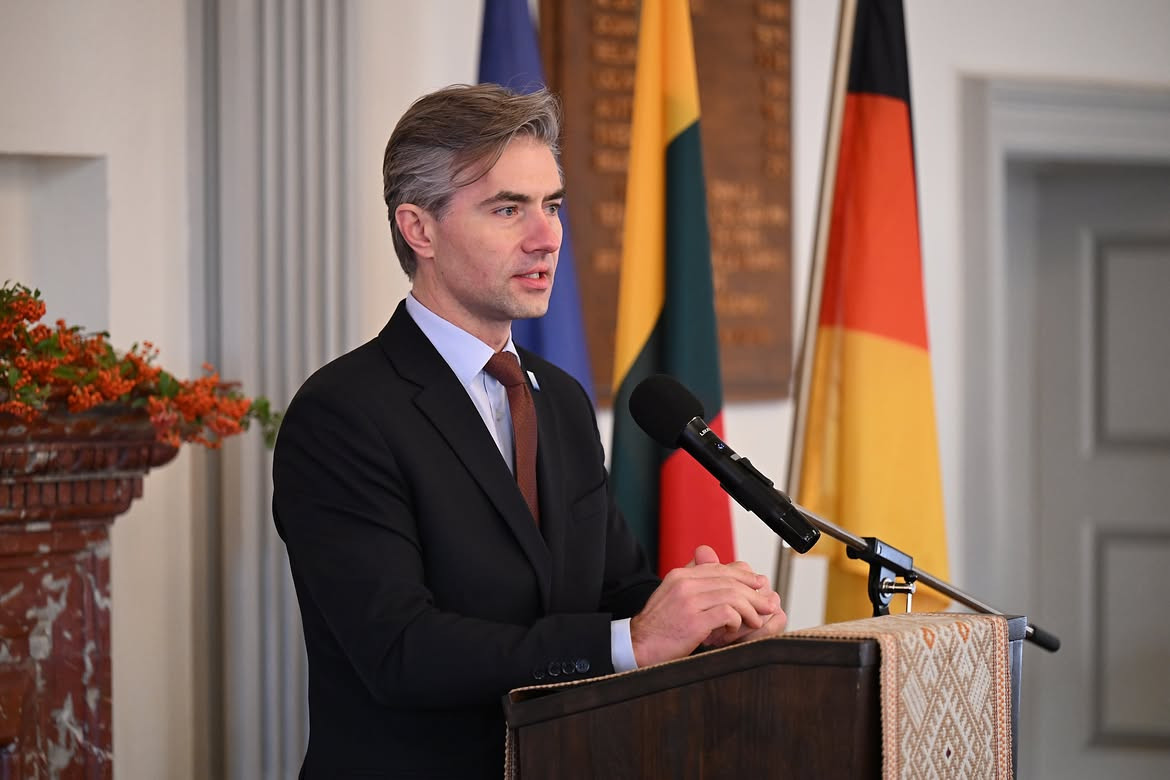
Photo: Instagram/budrys_kestutis