Slovakia takes decisive step toward energy independence - ANALYSIS
By Julian Müller
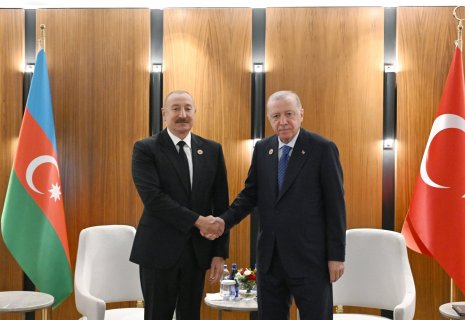
On December 8, President of the Republic of Azerbaijan Ilham Aliyev made an official visit to the Slovak Republic, becoming the first Azerbaijani president to visit the country at an official level. Meetings with Slovak President Peter Pellegrini, held both one-on-one and in an expanded format, opened new horizons for strategic partnership between the two countries.
The main focus of the talks was energy cooperation. Slovakia, long reliant almost entirely on Russian gas, now has a unique opportunity to diversify its energy sources and strengthen national energy security. This development reduces economic risks for the country and enhances the strategic resilience of the entire European Union.
In recent years, Slovakia’s position in the energy market has been highly vulnerable. Dependence on Russian gas exposed the country to geopolitical shocks, price volatility, and political pressure from Moscow. The EU’s decision to gradually ban imports of Russian gas in 2024-2025 underscored the urgent need to secure alternative suppliers.
President Pellegrini emphasized the critical importance of this shift:
“Azerbaijan can play a role in diversifying our energy supply because, Mr. President, we are currently at the end of the pipeline. In fact, we have always been at the beginning in the direction of Western Europe, but now we are at the end of the pipeline.”
This statement highlights the recognition that achieving energy independence is vital for Slovakia’s economic stability and national security.
With significant gas and oil reserves and a strategic location at the crossroads of Europe and Asia, Azerbaijan can become a reliable energy supplier for Slovakia. Its experience in delivering energy to Europe helps minimize logistical and technical risks.
Cooperation with Baku offers Slovakia a range of significant and long-term advantages, particularly in the context of energy security and economic stability.
Diversified supply sources: Historically, Slovakia has relied heavily on Russian gas, which exposed the country to geopolitical risks and market volatility. Partnering with Azerbaijan provides access to an alternative and reliable energy source, reducing the country’s dependence on a single supplier. This diversification not only strengthens Slovakia’s negotiating position on the international stage but also shields its economy from sudden disruptions in energy flows or political pressures. By having multiple supply channels, Slovakia can better manage risks, ensuring that both households and industries maintain a stable energy supply even during periods of international tension.
Lower energy costs: Direct gas and oil deliveries from Azerbaijan are expected to be more cost-efficient compared to routes that pass through Russia or other intermediary countries. This reduction in transit costs can translate into tangible savings for Slovak businesses, helping them remain competitive in European and global markets. Consumers also stand to benefit through more stable energy prices, which can ease household expenses and provide broader economic relief, especially in sectors sensitive to energy costs, such as manufacturing, logistics, and services. Over time, predictable and competitive energy prices can support overall economic growth, investment, and employment.
Stable and reliable delivery: One of the critical advantages of cooperation with Azerbaijan is the potential for long-term contracts and strategic agreements. Such arrangements create predictability, allowing Slovakia to plan industrial production, infrastructure development, and national energy policy with confidence. Stable supply lines minimize the risk of sudden shortages or market shocks, which have historically affected the country’s energy-dependent sectors. Moreover, this reliability provides Slovakia with a buffer against global energy price fluctuations, helping stabilize both the economy and domestic energy markets.
In addition to these direct benefits, the partnership with Azerbaijan opens opportunities for broader collaboration in energy logistics, infrastructure development, and technology transfer. Slovak companies could participate in modernizing pipelines, building storage facilities, and implementing advanced energy management systems, creating new jobs and supporting the country’s transition toward a more resilient and technologically advanced energy sector.
Besides, Azerbaijan is prepared to involve Slovak companies in energy transport and processing projects, opening new opportunities for industrial and technological growth.
During the visit, both sides explored concrete commercial and infrastructure agreements. The presence of SOCAR executives and other key stakeholders ensures the talks move beyond general statements toward real investment projects.
Slovakia now has the chance to sign direct gas supply contracts with Azerbaijan, which will reduce logistical costs while increasing supply security. Discussions also include joint ventures and technological collaboration, allowing Slovakia to develop its domestic energy processing and transport industry.
Slovakia’s energy independence has broader implications for the EU. Reducing reliance on Russian gas strengthens the bloc’s resilience to geopolitical shocks and external pressures. As the EU works toward a unified and secure energy system, Slovakia can become a model for successful diversification and enhanced energy security.
Diversifying gas and oil supplies through Azerbaijan not only strengthens Slovakia’s economy but also increases its influence within the EU’s energy strategy. Reliable supply lines contribute to price stability in the domestic market and reduce exposure to global energy price fluctuations.
Beyond direct energy supplies, the visit opened numerous opportunities for deeper collaboration across multiple sectors, offering Slovakia a chance to modernize its energy infrastructure and expand its technological capabilities.
Joint infrastructure projects: One of the most tangible benefits of the partnership with Azerbaijan lies in the potential development of critical energy infrastructure. This includes the construction of new storage facilities to increase reserves, modernization of existing pipelines to improve efficiency and reliability, and the creation of logistics hubs to streamline the transportation of gas and oil. Such projects would not only secure Slovakia’s energy supply but also strengthen the country’s role as a regional energy transit hub, enhancing connectivity with neighboring European markets. Improved infrastructure would help mitigate the risks of supply disruptions, making Slovakia less vulnerable to external shocks.
Technological collaboration: Cooperation with Azerbaijan is expected to bring access to advanced energy processing and transport technologies. Sharing expertise in areas such as pipeline monitoring, energy efficiency, and gas compression systems can significantly enhance Slovakia’s technical capabilities. This transfer of knowledge and technology is crucial for modernizing the Slovak energy sector, enabling it to operate more sustainably and efficiently, while also fostering innovation within domestic energy companies.
Joint ventures and investments: Azerbaijani investment in Slovak energy and industrial projects represents a strategic opportunity to stimulate economic growth. Through joint ventures, Slovak companies can gain access to financing, expertise, and networks, enabling the development of new projects in both traditional and alternative energy sectors. This collaboration could create new jobs, enhance industrial output, and support regional development, particularly in areas where energy projects can have multiplier effects across related industries.
Alternative energy development: The partnership also opens doors for collaboration in renewable energy and energy efficiency initiatives. By working together on solar, wind, and other sustainable energy projects, Slovakia can diversify its energy mix and reduce environmental impact. Additionally, joint programs aimed at improving energy efficiency in industries, residential areas, and public infrastructure can help reduce overall energy consumption, lower costs, and contribute to the EU’s broader climate and sustainability goals.
Overall, these avenues of cooperation position Slovakia not only to secure its energy independence but also to build a more resilient, modern, and sustainable energy sector. By combining investment, technology, and infrastructure development, the country can strengthen its economy, enhance national security, and play a more influential role in the European energy landscape. President Pellegrini highlighted that Slovakia regards Azerbaijan not merely as a supplier but as a strategic partner capable of strengthening national security and economic stability.
The official visit of Azerbaijani President Ilham Aliyev marked a turning point for Slovakia and Central Europe. For Bratislava, it represents more than diplomatic recognition - it is a tangible opportunity to advance energy independence, reduce economic vulnerability, and play a more active role in the EU’s energy security framework. Cooperation with Azerbaijan positions Slovakia for a reliable, long-term, and competitive energy partnership, ushering in a new era of energy stability and economic security for the country.
Photo: Official website of the President of the Slovak Republic