Vatican plans €100 million solar energy plant
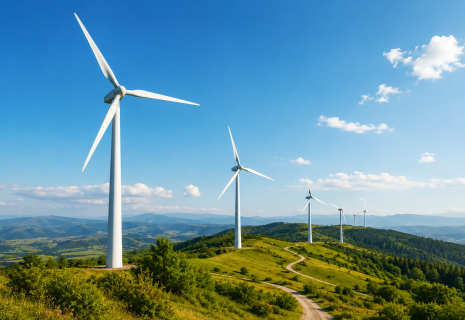
The Vatican is set to build a renewable energy plant in a project worth approximately €100 million that could supply power to the Holy See within two years through a system combining solar energy and agriculture, several sources familiar with the matter told Reuters.
The planned agrivoltaic plant is expected to have a capacity of 80 to 90 megawatts, which would make it one of the largest facilities of its kind in Italy, the sources said. In such plants, solar panels are installed several meters above the ground, allowing crops to grow underneath. The shade helps reduce evaporation and protects plants from extreme weather, CE Report quotes AGERPRES.
An Italian-Vatican joint commission met earlier this month to launch the project at the Santa Maria di Galeria complex, a Vatican-owned property on the northwestern outskirts of Rome, after Italy ratified a bilateral agreement reached in 2025 for the development of the site.
Officials did not disclose details about the project's cost, capacity or timeline following the meeting. However, sources familiar with the discussions said construction could take 18 to 24 months, including the process of obtaining permits.
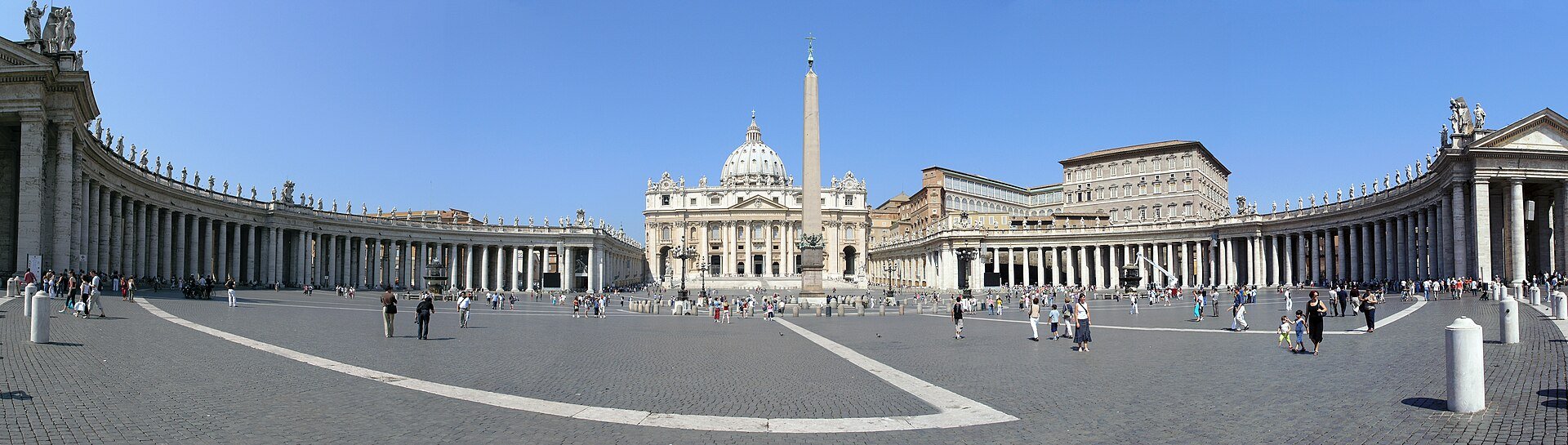
Vatican City, the seat of the Catholic Church and home to St. Peter's Basilica, is the world's smallest country, covering 108 acres (0.44 square kilometers or 44 hectares) and having a population of fewer than 900 people.
The Santa Maria di Galeria complex, covering approximately 450 hectares on the northwestern outskirts of Rome, has housed Radio Vatican's transmission facilities since the 1950s.
The future plant is intended to provide electricity to the Radio Vatican transmission station and contribute to the Vatican's energy self-sufficiency. Sources said the electricity generated could also be used by properties linked to the Holy See, including Rome's Bambino Gesù Children's Hospital.
The photovoltaic panels planned for the project are expected to cover approximately 200 hectares, nearly half of the Santa Maria di Galeria complex, one of the two sources said.
The project was a priority for the late Pope Francis, the first pontiff to openly embrace the scientific consensus on climate change, and has been approved by Pope Leo XIV.
The bilateral agreement between Italy and Vatican City extended to the agrivoltaic project the special status already enjoyed by Radio Vatican facilities, including exemptions from Italian taxes and fees.
However, the Vatican will not be eligible for the financial incentives available to Italian households and businesses that install photovoltaic energy-generation equipment. Any surplus electricity is expected to be made available to Italy.
Contracts for work on the future plant are expected to be put out to tender in the coming weeks.
Photo: Wikipedia