Romania's Ministry of Culture details cobza’s cultural significance - EXCLUSIVE
The Ministry of Culture of Romania has reaffirmed the cultural and symbolic importance of the cobza following the inscription of its craftsmanship and performance on UNESCO’s Representative List of the Intangible Cultural Heritage of Humanity.
The Ministry said this in an exclusive interview with CE Report, stressing that the recognition reflects the instrument’s profound role in shaping cultural identity at both community and individual levels.
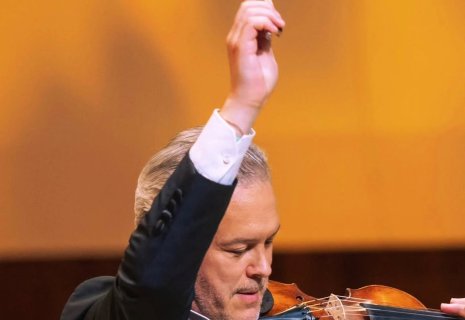
According to the Ministry, the cobza has been an essential part of rural life since the Middle Ages, shaping traditions and transmitting cultural memory across generations. Its distinctive sound has long accompanied communal gatherings and celebrations, from village dances and weddings to ballads and local festivities, making it a defining element of Romania’s musical heritage.
“The cobza is inseparable from our cultural soundscape. Without it, an important part of our musical identity would be unimaginable,” the Ministry noted, emphasizing that the UNESCO inscription formally acknowledges the role the instrument has played for centuries.
At the same time, the Ministry highlighted the broader cultural context of the cobza. While its name has Turkic origins and the instrument belongs to a wide family of lutes spread across Eastern Europe and the Middle East, Romania’s approach has been to emphasize the specific characteristics of the Romanian cobza within this shared heritage, celebrating cultural diversity rather than competition.
The Ministry also underscored Romania’s close cooperation with the Republic of Moldova in preparing the joint nomination file. This collaboration, officials said, is long-standing and extends well beyond the cobza inscription, encompassing joint research, expertise exchange, and cultural projects.
The cobza file marks the fifth successful joint UNESCO inscription between Romania and Moldova, following earlier achievements such as the 2013 inscription of the Men’s Group Colindat Christmas ritual. According to the Ministry, this success reflects both strong inter-ministerial cooperation and daily collaboration among experts, performers, and heritage practitioners on both sides of the border.
With regard to safeguarding measures, the Ministry outlined plans to support the growing interest among new performers while ensuring that transmission remains rooted in non-formal, community-based learning led by experienced practitioners. Preserving traditional craftsmanship is also a priority, as cobza making reflects regional identities and long-established knowledge passed down through generations.
Future initiatives include expanding performance opportunities for local repertoires, recording representative performers for digital preservation, and promoting outstanding cobza musicians on international stages to raise global awareness of Romania’s intangible cultural heritage.
“The UNESCO inscription is not an endpoint, but a foundation,” the Ministry concluded, emphasizing its commitment to ensuring that the cobza remains a living and evolving tradition for future generations.
Photo: Wikipedia
This interview was prepared by Laura Hoffman