EU’s Marta Kos reaffirms support for Montenegro’s accession during Podgorica visit
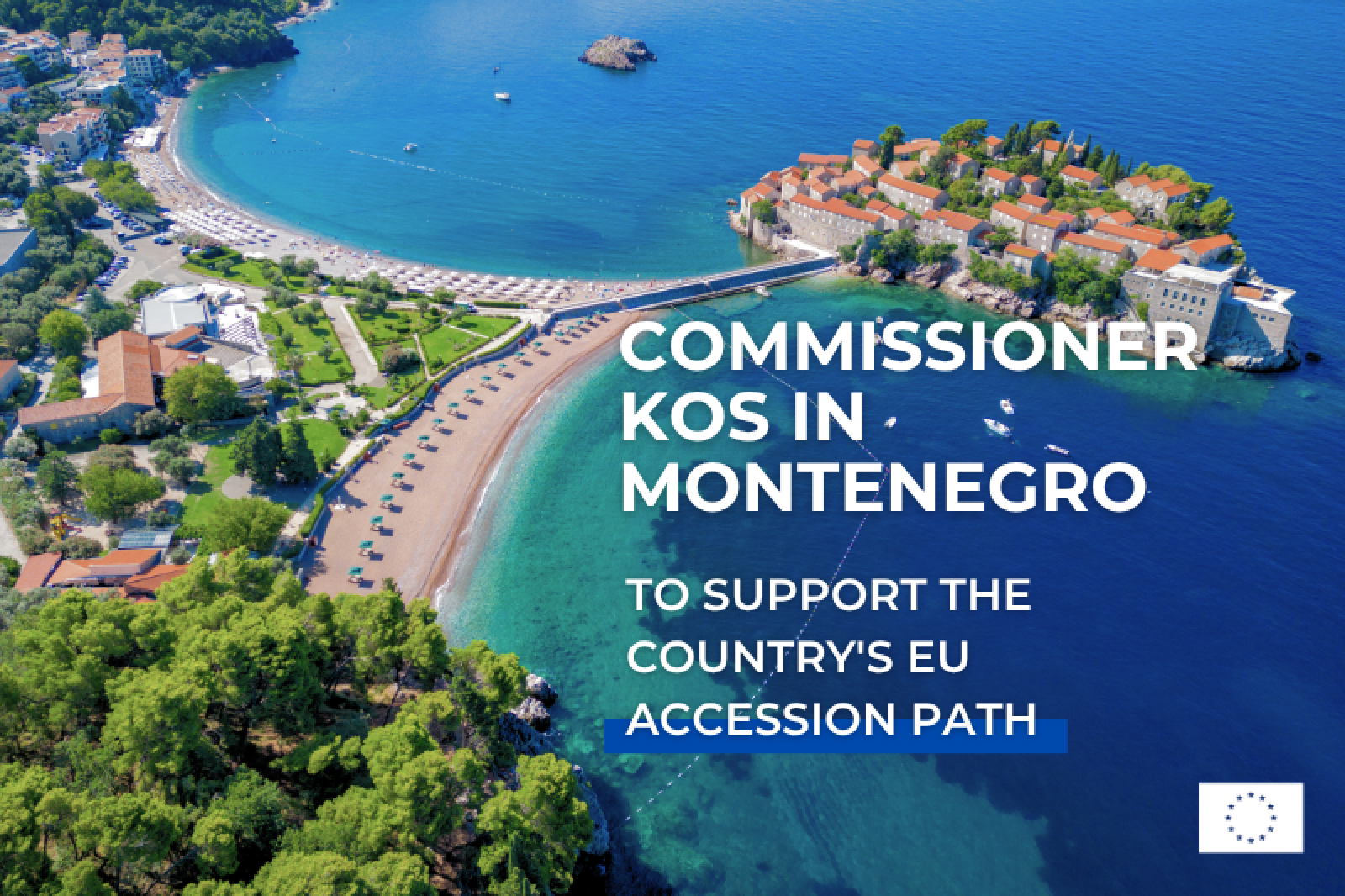
European Commissioner for Enlargement, Marta Kos, visited Montenegro to reaffirm the EU's continued support for the country's accession process.
To this day, Montenegro has opened all accession negotiating chapters and already closed 14, out of which six were closed last year and two additional ones already this year, CE Report informs citing the European Commission's official website.
The country is steadily and consistently advancing in its accession negotiations. Efforts must be sustained and supported to respect its ambitious negotiation calendar.
In Podgorica, Commissioner Kos held meetings with Prime Minister Milojko Spajić, Deputy Prime Minister for International Relations and Foreign Affairs Ervin Ibrahimović, and Minister of European Affairs Maida Gorčević. The discussions focused on the reform progress made by Montenegro on its EU path, as well as under the EU's Growth Plan for the Western Balkans, which foresees up to €383.5 million for Montenegro, upon the successful delivery of reforms. A joint press conference with Prime Minister Spajić followed and was available on EBS.
Commissioner Kos also met with the Speaker of the Montenegrin Parliament, Andrija Mandić, as well as with local authorities and members of opposition parties to discuss the importance of maintaining political will and unity for the country's EU agenda. Commissioner Kos then participated in a public discussion with youth on the opportunities that EU membership can bring to their daily lives. The Commissioner also visited the Western Balkans Cyber Capacity Centre, a regional hub working towards strengthening digital resilience across the Western Balkans.
On Friday, Commissioner Kos will visit Nikšić, the European Capital of Culture 2030, meet the Mayor of Nikšić, Marko Kovačević, and visit the Tehnopolis Innovation and Entrepreneurship Centre. She will also meet with the beneficiaries of the Youth Guarantee - an EU-funded initiative helping young people in Montenegro enter the job market following their studies.
Photo: European Commission