Croatia allocates €1.25M to support apprenticeships for 267 students
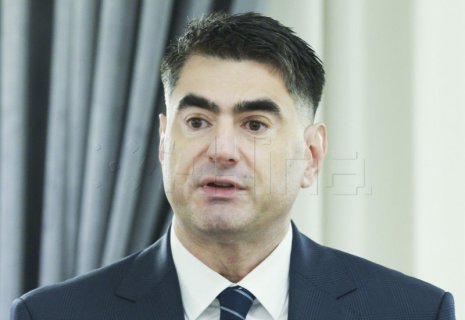
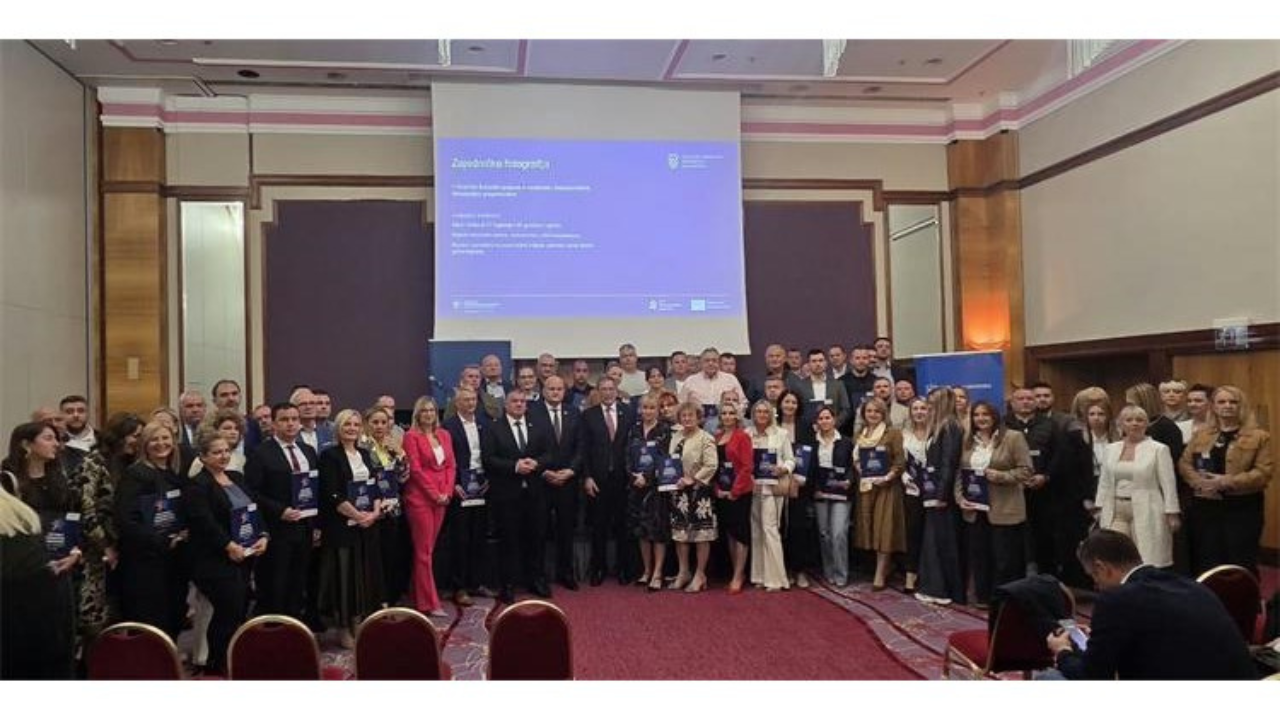
Minister of Economy of Croatia Ante Šušnjar participated in Zagreb in the ceremonial awarding of contracts under the “Apprenticeship for Craft Occupations – Work-Based Learning” call, through which, in the first round, 100 craftsmen and entrepreneurs received €1.25 million in support for apprenticeships for 267 students.
“Today, we have once again supported Croatian crafts through apprenticeships. Knowledge reaches its full value when it is applied and transformed into skills. That is why we want young people to be able to apply what they learn in classrooms and schools in craft workshops, alongside skilled craftsmen and mentors who know their profession and pass their knowledge on to new generations,” Minister Šušnjar said.
He stressed that apprenticeships benefit both sides. Students develop work habits, gain experience and learn responsibility, while craftsmen and entrepreneurs create a new generation of professionals who can become part of their teams or start their own businesses, CE Report informs via the Ministry of Economy of Croatia's official website.
For the 2024/2025 school year, €5 million was allocated for apprenticeships, with support of €4,684 per student covering a student allowance, mentor compensation, and the cost of equipment and materials required for the apprenticeship. For the 2025/2026 school year, the support per student will increase to €5,092.
“I know very well how much work and time it takes to run a craft business or company and how every new obligation affects day-to-day operations. They produce, provide services, employ people and invest. They create value and drive the Croatian economy,” the minister said.
A total of €60 million has been allocated for the “Promotion of Vocational Education – Work-Based Learning” project, of which €56 million is intended for craftsmen and entrepreneurs providing apprenticeships. The funds are secured until 2029, while the last two calls have supported apprenticeships for 1,650 students.
Greater interest in craft occupations and linking science with production
Answering journalists’ questions, Minister Šušnjar said that interest among young people in craft occupations is growing and recalled that the Ministry of Economy had reintroduced scholarships for students training for occupations in shortage.
“The labor market is very dynamic and we are recording an increase in enrollment in craft occupations. We have brought back scholarships, and we will also seek additional national funding to increase them,” Šušnjar said.
He also stressed the need for stronger links between education, science and production, which is one of the directions of the new industrial policy.
“Croatian science contributes to the development of global innovations, and our technical faculties in particular are doing exceptional work. We need to connect this knowledge more strongly with production so that it can be applied and create value in Croatia. We need to show young people what is being done at our universities, but also what is being done in craft and skilled-trade workshops,” the minister said.
He added that young people should have quality pathways to higher education as well as to vocational and craft professions, allowing them to apply their knowledge and skills in Croatia.
Fuel prices to fall as consultations on pricing model continue
Speaking about fuel prices, the minister announced that petrol, diesel and blue diesel would become cheaper from tomorrow, following a regulation adopted by the government at a telephone session.
“Basic fuels will become cheaper by approximately three to four cents. The situation is stable, and developments on the markets are currently also moving toward lower prices,” Šušnjar said.
He added that the Ministry is continuing consultations with suppliers on a future fuel-pricing model. He stressed that under a free-market pricing system, prices could change several times during the day, while government measures were introduced to ease pressure and stabilize the market.
“The model must have a precise formula that corresponds to market conditions. That is why we are holding consultations with all stakeholders,” he said.
Šušnjar on UGP protest: We will listen to constructive proposals, but political motives must be clearly separated
Commenting on the postponement of the introduction of the so-called anchor prices until November 17, Minister Šušnjar stressed that the measure is intended to make it easier for consumers to compare prices while giving businesses sufficient time to adapt.
“The Ministry of Economy is concerned both with entrepreneurship and consumer protection. With this measure, we are giving consumers a tool to compare the prices of products and services more easily and clearer information about what they are spending their money on. We listened to businesses and entrepreneurs and therefore extended the preparation period. The implementation date remains November 17,” Šušnjar said.
He announced meetings with representative professional and trade associations, as well as a public consultation in the final stage of preparing the implementing rules. He thanked businesses that had already taken the necessary steps to implement the measure and thus avoided additional costs resulting from the deadline being postponed.
Asked about the protest announced by the Voice of Entrepreneurs Association (UGP) for October 10, the minister said that political motives were also behind statements by some of the association’s leadership, while stressing that he would listen to every constructive proposal from the business community.
“We will listen to constructive proposals, but we should also recall what the government has done for the economy. We have implemented administrative and parafiscal relief worth around €550 million, abolished certain water-related fees, reduced administrative obligations and continued to digitalize communication between entrepreneurs and the state. The government actively supports entrepreneurship, but it must also ensure a transparent market and consumer protection,” Šušnjar said.
He stressed that, in addition to protecting consumers, anchor prices contribute to market transparency and combating the shadow economy, and recalled that businesses already have an obligation to maintain price lists and display prices transparently.
“We are asking for an additional piece of information to be introduced into existing price lists, allowing consumers to make comparisons. We will discuss the implementation with the business community and provide detailed information to the public. We postponed the deadline to give businesses additional time to prepare. In this way, we are ensuring a more transparent market that protects consumers while taking into account the conditions in which our businesses operate,” the minister concluded.
MED9: Energy cooperation and projects at prime ministerial level
Speaking about the upcoming MED9 meeting hosted by Croatia, Šušnjar said that activities on which the ministries had been working over the past several months were being finalized and that numerous discussions had been held with partner countries on concrete forms of economic and energy cooperation.
He particularly highlighted talks with Slovenian partners on expanding energy capacities and finding solutions of mutual interest.
“The results of the work carried out so far are now being raised to the prime ministerial level so that the process can be finalized and then handed over to the next hosts,” Šušnjar said.
Šušnjar on Maksimir stadium procedure: It is important that all procedures be transparent
Answering a question about the public procurement procedure for the construction of a new stadium at Maksimir, Minister Šušnjar said there were “quite a few interesting details” in the process and recalled the Ministry of Economy’s role as the central authority in this area.
“We will see whether something happens in this procedure; I think I have hinted at enough. It is important that all procedures are transparent and open to the public,” Šušnjar said.
Photo Ministry of Economy of Croatia