EU prepares overhaul of enlargement rules
The European Union is preparing a redesign of the rules for enlargement due to growing fear that admitting new members could paralyze decision-making processes within the bloc, Politico reported citing senior officials working on the issue.
According to Politico, while EU governments are publicly supportive of them joining, the likes of France, Germany and the Netherlands have voiced opposition to moving too quickly, worrying that new members could change governments and block key policies, CE Report quotes MIA.
“There’s a reason the enlargement process takes decades,” a diplomat from a skeptical country told Politico. “The fear is we bring in a Trojan horse.”
Politico reports that the European Commission is already drawing up a proposed redesign of the rules for new members. The overhaul is intended to assuage concerns that it will be even harder to make decisions and share resources if the group of 27 countries gets bigger.
The issue will be a central topic at a meeting of EU leaders at a European Council on October 15 and 16. As early as June, the Council said the October session will assess the connection between future enlargement and the necessary internal reform of the EU.
The need for debate intensified after the acceleration of accession processes for Ukraine, Moldova, and Western Balkan countries. On June 15, Ukraine opened the first negotiating cluster which covers areas such as the judiciary, fundamental rights, and financial control. However, experts note that the opening of clusters does not guarantee membership by itself, nor does it determine any deadlines for accession.
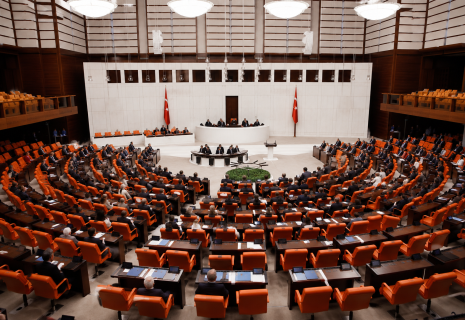
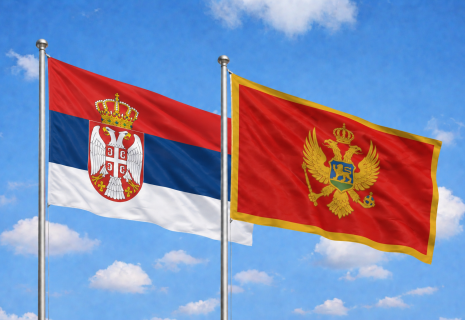
Historical examples show how long this road can be. Montenegro has been negotiating since 2012, and although it has opened all 33 chapters, 2028 is mentioned only as a “possible” accession deadline, provided all obligations are met. The case of Türkiye is even more illustrative – the country was granted candidate status in 1999 and began negotiations in 2005, but after 21 years, the process has stalled and has been practically blocked since 2018.
Such examples further intensify the debate between those who see enlargement as a geopolitical priority and those who warn that admitting new members without previously adopting institutional reforms within the Union could complicate the functioning of the bloc.
Photo: Pexels (Free Stock Photos)