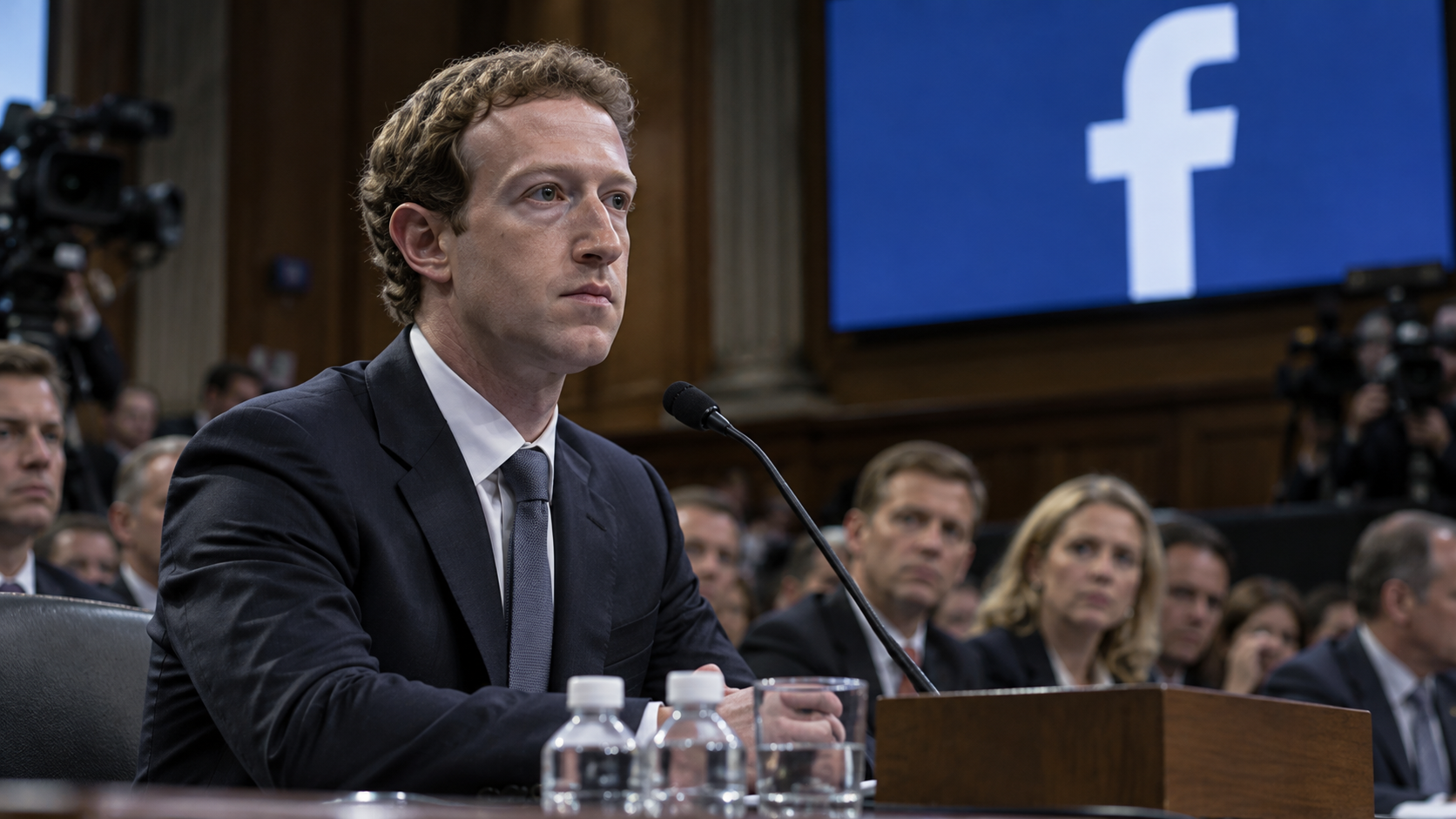
Aaron Sorkin explores Facebook scandal in new film
“Facebook is not the referee, but the public square.”
It is one of the most striking lines delivered by a cold and calculating Mark Zuckerberg, portrayed by Jeremy Strong, in Aaron Sorkin’s new film “The Social: The Price of Truth,” which is set to arrive in cinemas on October 8, distributed by Eagle Pictures, CE Report quotes ANSA.
The film also stars Mikey Madison, Jeremy Allen White, Wunmi Mosaku, Betty Gilpin, Billy Magnussen and Bill Burr.
The production offers a timely new portrait of the tech billionaire and the direction Facebook has taken in managing its online platform, examining the global consequences of misinformation, deepfakes, hate speech, political propaganda, conspiracy theories, racism, bullying and online abuse.
The film is part of a broader cinematic examination of influential technology figures this year, alongside Alex Gibney’s documentary “Musk,” presented at the Venice Film Festival, and Luca Guadagnino’s “Artificial,” which explores Sam Altman and OpenAI and recently premiered at the New York Film Festival to critical acclaim.
Sorkin, who won an Academy Award for writing David Fincher’s 2010 film “The Social Network,” about the founding of Facebook, now turns his attention to the Facebook Files scandal that engulfed the social media company, later renamed Meta, in 2021.
“In 2010, Facebook had 500 million members. Today, it has 2.9 billion. It has become something radically different,” Sorkin explained.
He argued that Facebook has become a major source of news for Americans while also facilitating the widespread circulation of false and inflammatory information.
The film focuses on the Facebook Files investigation conducted by Wall Street Journal reporter Jeff Horwitz, played by Jeremy Allen White, based on documents and revelations provided by whistleblower Frances Haugen, portrayed by Mikey Madison.
Haugen, a Harvard-educated computer engineer, joined Facebook to work on its Civic Integrity team, which was responsible for monitoring hate speech and violence on the platform before being disbanded.
The leaked documents highlighted the consequences of Facebook’s decision in 2018 to introduce an algorithm based on Meaningful Social Interactions (MSI), designed to increase user engagement.
Rather than prioritizing content according to likes, the algorithm increasingly favored posts generating strong reactions, including anger and outrage.
According to the allegations explored in the film, this contributed to the spread of polarizing content, misinformation and hate speech. The film portrays Zuckerberg as reluctant to introduce changes that could reduce user engagement and company profits, despite internal warnings.
Alongside its examination of the platform, the film follows Haugen’s personal journey.
Initially committed to her work at Facebook, she becomes increasingly disillusioned after discovering that an acquaintance she once knew as open-minded and idealistic had become radicalized through social media, embracing racist views and conspiracy theories.
Madison delivers a nuanced portrayal of Haugen, capturing her growing conflict between professional loyalty and personal responsibility.
One of the film’s most closely watched casting decisions was Jeremy Strong taking over the role of Zuckerberg from Jesse Eisenberg, who declined to reprise his performance from “The Social Network.”
While Eisenberg portrayed Zuckerberg as hyperactive, nervous and intensely talkative, Strong presents a colder, more authoritarian figure.
With blond hair and a detached demeanor, his Zuckerberg appears almost isolated from ordinary human relationships, showing vulnerability mainly during a tense confrontation with his former friend Charlie, played by Bill Burr, who has become one of his harshest critics.
Although the film’s direction does not always match the strength of its subject matter and screenplay, Strong’s performance offers a disturbing portrait of a system in which economic and political interests appear to outweigh concerns about public harm.
The film also draws attention to the growing relationship between technology billionaires and the Trump administration, raising broader questions about the influence of major digital platforms on society and politics.
Photo: Chat GPT